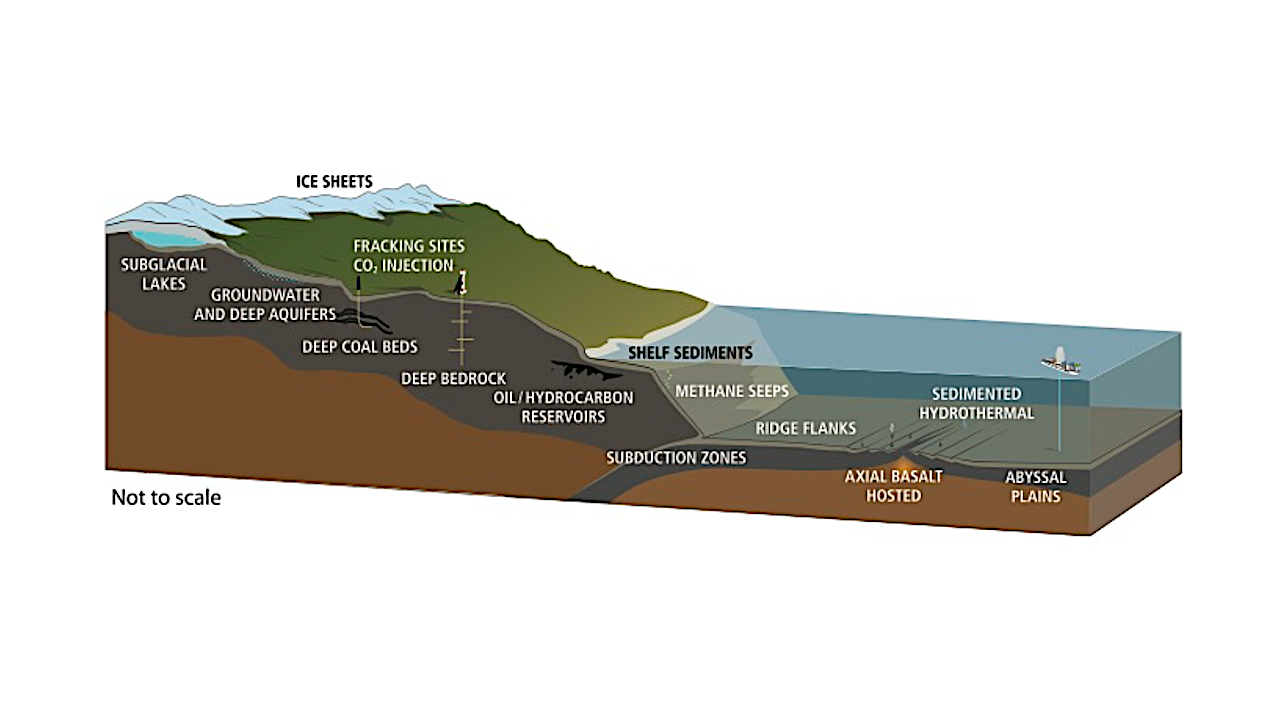
Subsurface microbiology is undergoing a significant transformation, shifting focus from identifying microbial inhabitants to understanding their functional roles and the processes that regulate subsurface ecosystems. This emerging field plays a crucial role in addressing pressing societal challenges, particularly in relation to climate change and waste management. Despite its potential, opportunities for subsurface sampling and research funding are increasingly limited, creating a need for strategic support in this vital area of study.
Importance of Subsurface Microbiology
The functions of subsurface microorganisms are pivotal in efforts to mitigate climate change and develop effective waste storage solutions. Research indicates that these microorganisms perform essential processes that can help enhance carbon sequestration and safely manage hazardous waste. As societies grapple with the impacts of climate change, understanding subsurface life forms and their processes becomes increasingly critical.
This perspective article targets various stakeholders, including scientists interested in geomicrobiology, funding agencies, and professionals in the extractive and waste disposal sectors. By providing an overview of the current state and historical context of subsurface science, the article aims to outline actionable steps for future progress.
Challenges and Opportunities Ahead
Despite the significance of subsurface microbiology, challenges persist. Funding for research in this area has decreased, limiting the ability to conduct essential studies. To address these challenges, there is a compelling need to engage early-career microbiologists in drilling projects. This involvement can provide fresh insights and innovative approaches, benefiting the field as a whole.
Moreover, fostering partnerships with industry stakeholders is crucial. Collaborative projects that merge microbiological expertise with drilling initiatives can open new avenues for exploration and discovery. Establishing microbiology-led drilling projects will also enhance understanding of subsurface ecosystems and their contributions to global challenges.
Interdisciplinary approaches are vital for advancing research in subsurface microbiology. Including microbiologists in the planning stages of drilling projects can ensure that critical microbial aspects are considered, leading to more comprehensive studies. This collaborative framework can help pave the way for significant advancements in the field.
The future of subsurface microbiology rests on our ability to recognize its importance and secure the necessary resources to support research. By prioritizing funding and collaboration, stakeholders can help unlock the potential of subsurface microorganisms to address some of society’s most pressing issues. The time to act is now, as the implications of this research extend far beyond the scientific community, reaching into the heart of environmental sustainability and waste management.