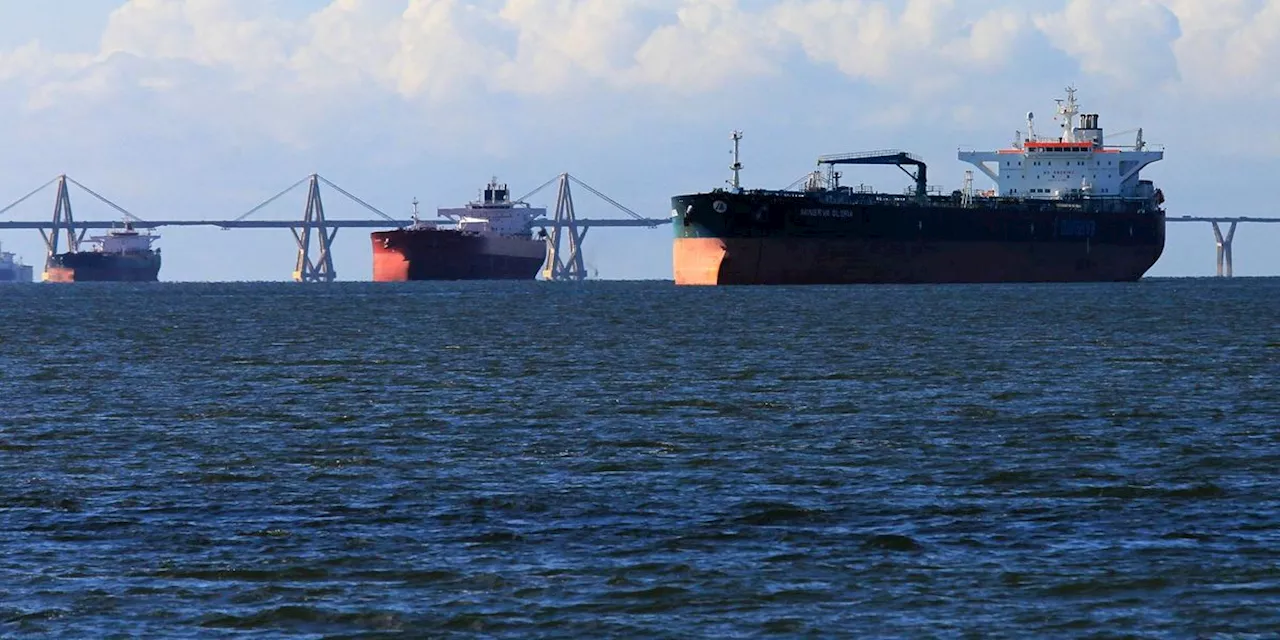
On December 16, 2025, former President Donald Trump announced a “total and complete blockade” of oil tankers entering or leaving Venezuela. The declaration, made via his media platform, positioned Venezuela as “completely surrounded by the largest Armada ever assembled in the history of South America.” This move raises significant questions about executive authority, constitutional limits, and the legal precedents surrounding military action.
The blockade, which lacks congressional approval, directly challenges the War Powers Resolution of 1973. This statute was designed to prevent unilateral military actions by the President without legislative consent. Previous administrations have employed sanctions and diplomatic strategies to manage foreign resource disputes, but Trump’s approach marks a shift to coercive measures that blur the lines between diplomacy and military force.
The Constitutional Implications of the Blockade
Under Article I of the US Constitution, the power to declare war rests solely with Congress. Article II grants the President the role of Commander-in-Chief but does not authorize sustained military operations without legislative support. The War Powers Resolution necessitates that the President seek congressional authorization for any military engagement that poses the risk of hostilities.
Trump’s blockade constitutes a military action, as it involves the assertion of control over international waters and restricts maritime commerce of a sovereign nation. This raises alarms about the legality of such a maneuver and its implications for constitutional governance.
The justification provided by Trump—that Venezuela “stole” American oil—lacks historical and legal grounding. Venezuela’s oil industry was nationalized in 1976, leading to the establishment of Petróleos de Venezuela, S.A.. While foreign companies, including ExxonMobil and ConocoPhillips, operated under negotiated terms, Venezuela’s actions were sovereign decisions, well within its legal rights under international law.
Escalation of Military Coercion
The transition from sanctions to a systematic blockade represents an unprecedented escalation. Sanctions are intended to regulate economic conduct without resorting to military action. In contrast, the blockade signifies an armed coercion that deviates from established norms of dispute resolution.
According to the Office of Foreign Assets Control, sanctions do not authorize the interception of foreign vessels on the high seas. While isolated instances of tanker seizures have occurred under civil forfeiture statutes, they do not equate to a full-scale naval blockade.
The indefinite nature of the blockade and its linkage to political demands—such as the return of Venezuelan assets—further complicate its legal standing. Under the War Powers Resolution, military actions must cease within 60 days without congressional approval. Trump’s actions extend well beyond this timeframe, raising constitutional concerns.
The precedent set by this blockade is alarming. If a President can initiate military actions based on economic grievances or political claims without congressional oversight, the fundamental principle of separation of powers is at risk. This could pave the way for future administrations to employ similar tactics against other nations, undermining international norms and the global order.
Legal and Diplomatic Solutions
There remains an opportunity to address this constitutional crisis. Congress must reaffirm its role by considering resolutions such as House Concurrent Resolution 64 to enforce the War Powers Resolution and prevent unauthorized military actions. The Executive branch should revert to lawful enforcement mechanisms, including civil forfeiture and international arbitration, rather than relying on military coercion.
Diplomatic engagement must become the primary approach to resolve disputes over Venezuela’s resource management. Negotiation and international claims processes should replace unilateral blockades. The United States has long positioned itself as a champion of a rules-based international order, and maintaining that credibility requires adherence to legal norms at home.
The blockade of Venezuelan oil tankers, while potentially perceived as a display of strength, symbolizes a troubling erosion of constitutional governance. When the President crosses a constitutional red line without opposition, it signals a drift towards autocracy. It is imperative for Congress to act, for courts to scrutinize, and for the public to demand adherence to the rule of law. The integrity of the Constitution must be upheld, for once the executive can impose such measures unchecked, it transforms the Constitution from a safeguard into a mere suggestion.