January 2024 proved to be a turbulent month for former President Donald Trump, marked by a series of controversial actions that highlighted his approach to power both domestically and internationally. The month began with Trump grappling with the legacy of his presidency as he sought to assert his authority in the face of a looming midterm election. His administration’s tactics, particularly concerning immigration and foreign relations, sparked significant debate and unrest.
The month began with a dramatic operation that saw Venezuelan leader Nicolás Maduro detained in a special forces raid. This operation, described by Marco Rubio, the U.S. Secretary of State, as a necessary move against a “gangster paradise,” showcased the might of American military power. However, the consequences of such actions extended beyond borders and raised ethical questions about the United States’ role in foreign interventions.
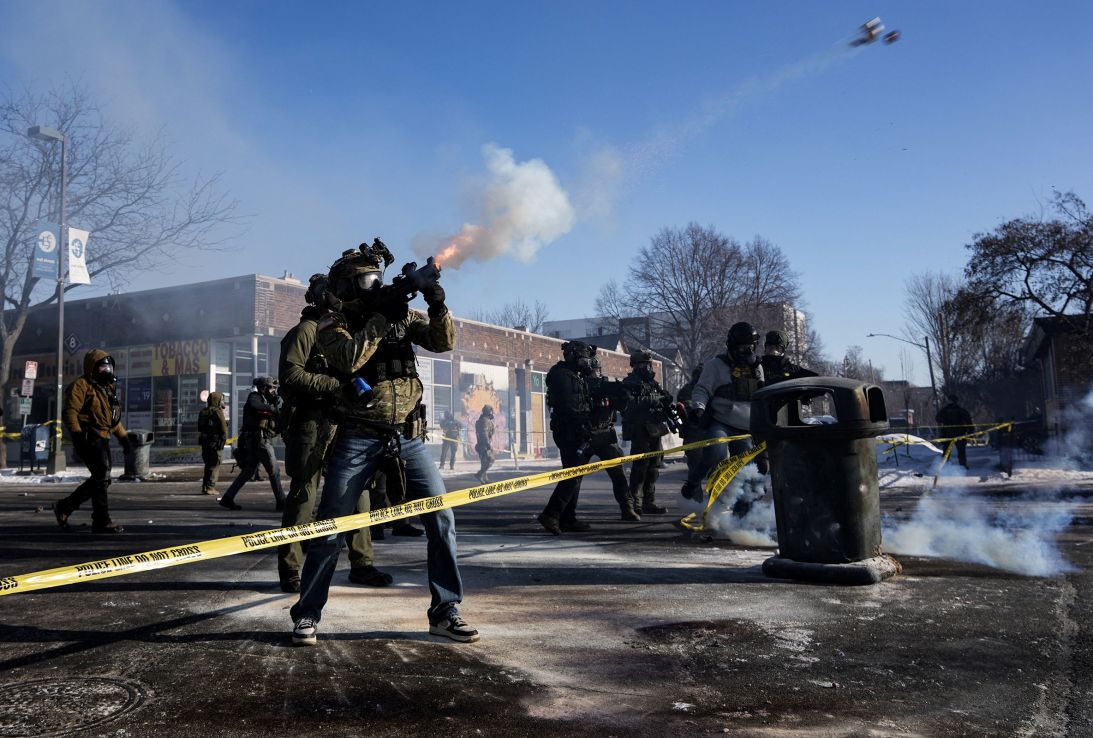
In the United States, the repercussions of Trump’s policies became painfully evident. The deaths of two protesters in Minnesota, Renee Good and Alex Pretti, at the hands of federal agents during immigration enforcement operations drew widespread condemnation. These incidents, despite efforts by the administration to label the victims as domestic terrorists, resulted in a public outcry that resonated across the nation. Footage of their deaths circulated widely, prompting many to view them as martyrs in what some criticized as an oppressive regime.
The emotional impact of these events was heightened by the story of Liam Conejo Ramos, a five-year-old boy detained alongside his father. The image of the young child, innocent and caught in the crossfire of a contentious political landscape, served as a poignant reminder of the human cost of immigration policies. As he awaited his fate in a Texas detention facility, reports indicated that he was suffering from depression, underscoring the dire consequences of such measures.
Despite the administration’s tough stance on immigration, the political landscape began to shift. Tom Homan, the administration’s immigration czar, suggested a potential de-escalation of federal forces in Minnesota, contingent upon cooperation from local authorities. This shift came amid growing concerns that the aggressive tactics employed by ICE were alienating even some members of the Republican Party, as a recent poll indicated that public sentiment was turning against these strategies.
As tensions escalated in the U.S., Trump’s foreign policy initiatives also faced scrutiny. His unilateral approach to international relations was exemplified by his demand for Denmark to cede Greenland to the United States, a request that bewildered many and drew criticism from global leaders. As he addressed the World Economic Forum in Davos, Trump’s rhetoric hinted at a willingness to use military force against NATO allies, raising alarms about the future of transatlantic relations.
In the realm of global politics, Trump’s actions in Venezuela were met with skepticism. His assertion that he had no regard for international law left many questioning the ethical implications of his foreign policy. Critics accused his administration of embodying characteristics of imperialism, reminiscent of colonialist tactics. The complexity of the Venezuelan situation was not lost on Marco Rubio, who cautioned that political transitions in the country would take time and require nuanced approaches rather than swift solutions.
The month also bore witness to violent crackdowns in Iran, where anti-regime protests were met with brutal force, resulting in numerous casualties. Trump’s renewed threats against Iran, coupled with the deployment of a U.S. aircraft carrier group to the region, heightened fears of escalating conflict. The implications of such military posturing could lead to dire consequences for U.S. forces and the broader geopolitical landscape.
As January drew to a close, the impact of Trump’s presidency on both domestic and international fronts became increasingly apparent. Local officials, including Tim Walz, the Democratic Governor of Minnesota, made provocative comparisons, likening current political tensions to historical conflicts, further polarizing the discourse. These comparisons, while extreme, highlighted the gravity of the moment and the potential consequences of the current administration’s policies.
In summary, January 2024 emerged as a defining month in Trump’s presidency, showcasing both the power wielded by the U.S. and the tragic human consequences of its exercise. As Trump navigates the complexities of his second term, the events of this month may serve as a crucial turning point, prompting a reevaluation of strategies both at home and abroad. The unfolding situation remains a cause for concern, with many questioning the long-term implications of his administration’s decisions.