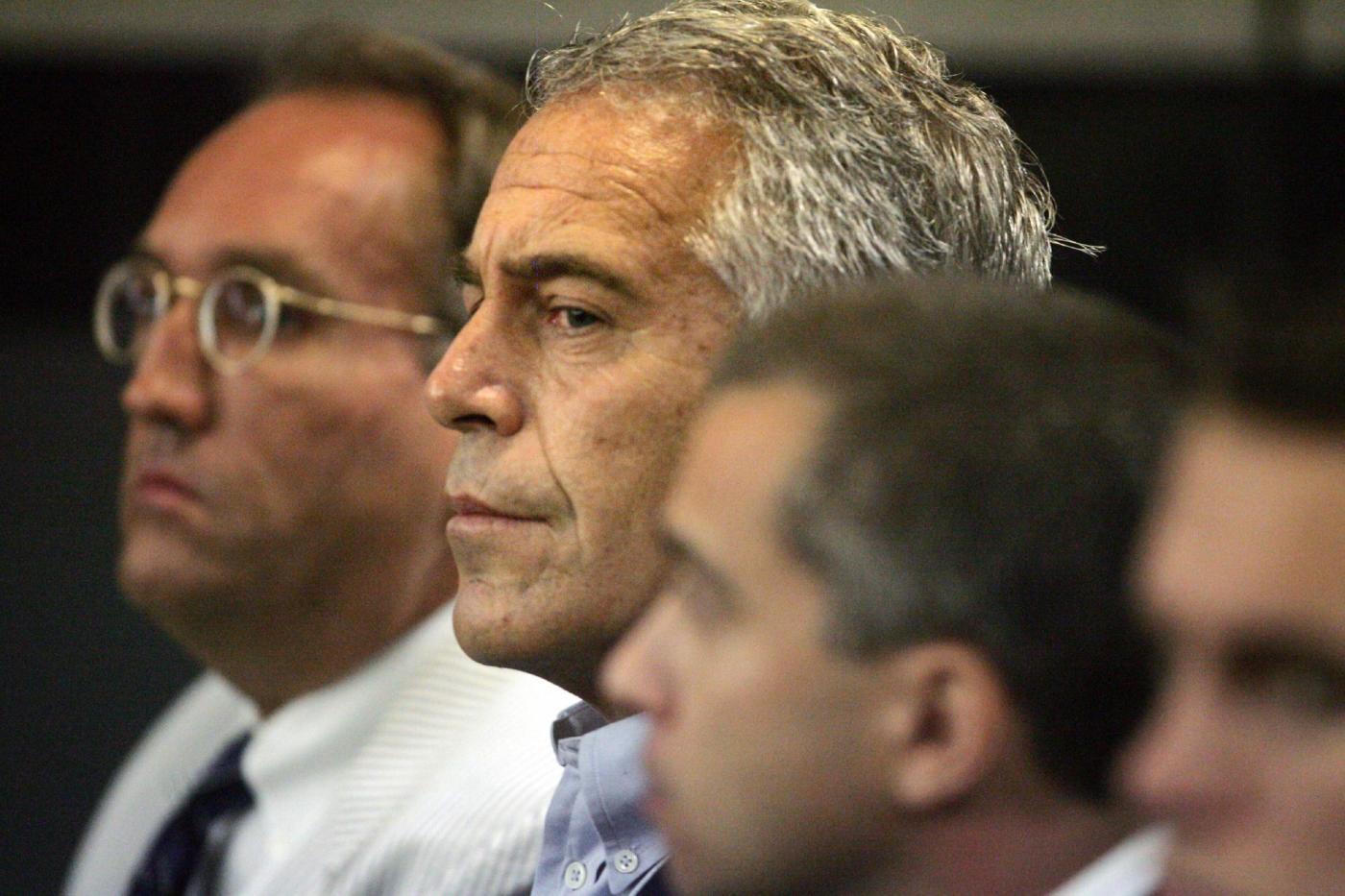
A series of emails have revealed that professors from the University of California, San Diego (UCSD) sought funding from the disgraced financier Jeffrey Epstein to support research into telepathy, raising ethical concerns about their collaborations. In 2017, V.S. Ramachandran, a prominent neuroscientist, alongside colleagues Deepak Chopra and Paul Mills, pursued a study investigating whether autistic children might possess telepathic abilities. This inquiry led them to solicit a donation of $50,000 from Epstein, who had been a convicted sex offender since 2008.
The initial connection between UCSD and Epstein dates back to 2010 when a fundraising request was made for the university’s Center for Brain and Cognition. Epstein’s involvement resurfaced in 2017 when he agreed to financially support the research, which aimed to explore the extraordinary claims regarding some autistic children’s capabilities.
In emails released by the U.S. Department of Justice, Ramachandran expressed no reservations about accepting Epstein’s funding. He communicated with Chopra, stating, “I don’t have a problem with my lab being funded by Epstein.” These messages were part of a larger trove of documents that have emerged since Epstein’s death in 2019, highlighting his extensive connections with various academic institutions, including Harvard, Yale, and Duke.
Chopra, who holds an unpaid position at UCSD, characterized his relationship with Epstein as “limited and unrelated to abusive activity.” Despite this, the revelations have sparked significant backlash among the academic community, with many expressing their dismay at the nature of the correspondence between Epstein and university faculty. A spokesperson for Chopra confirmed that the $50,000 check was returned, but did not provide documentation of the refund.
The fallout from these connections has already impacted other scholars. For instance, Larry Summers, a former Treasury Secretary and Harvard economist, resigned from his position amid scrutiny over his ties to Epstein. Similarly, Duke University closed several research centers overseen by Dan Ariely, a business professor whose relationship with Epstein came to light through the released emails.
The correspondence between Chopra and Epstein included discussions about personal matters and prior allegations against Epstein, which has caused concern regarding the ethical implications of their collaboration. UCSD spokesperson Laura Margoni stated that the university is reviewing the situation but did not disclose further details about the nature or scope of this review.
In light of Epstein’s history and the controversial nature of the proposed research, many within the scientific community have expressed skepticism about the motivations behind such funding. Criticism has been particularly directed at the study of telepathy itself, with experts cautioning against overreliance on unproven claims. Ari Ne’eman, a health policy professor at Harvard, emphasized that “autistic people are not telepathic,” reflecting a broader concern that such claims may exploit vulnerable individuals and detract from legitimate scientific inquiry.
The research led by Mills and Ramachandran reportedly involved a pilot study with a young boy who exhibited exceptional numerical skills. While Mills described the results as “remarkable,” he acknowledged that the concept of telepathy is largely dismissed by the scientific community. He stated, “I fully realize the concept of telepathy is utterly foreign and inconsistent with the Western, materialistic model of the brain and mind, yet I was very willing to study it.”
The implications of Epstein’s funding extend beyond UCSD. The emails reveal that Epstein sought to cultivate relationships with prominent scientists, including J. Craig Venter, the geneticist known for mapping the human genome. Venter recounted a brief meeting with Epstein before the financier’s conviction, noting his discomfort with Epstein’s intentions.
Research ethics are paramount in studies involving human subjects, yet documents indicate that UCSD may not have reviewed the telepathy research through the appropriate institutional review board. Margoni confirmed that the university has no record of the autism research submission, raising additional questions about oversight and accountability.
As the academic world grapples with the ramifications of Epstein’s connections, there is a growing call for transparency and ethical conduct in research funding. The revelations serve as a reminder of the complexities surrounding financial support in science and the potential consequences that arise from associations with controversial figures. The future of research into telepathy and similar unconventional topics may now face increased scrutiny, as the scientific community seeks to uphold integrity in its pursuit of knowledge.