
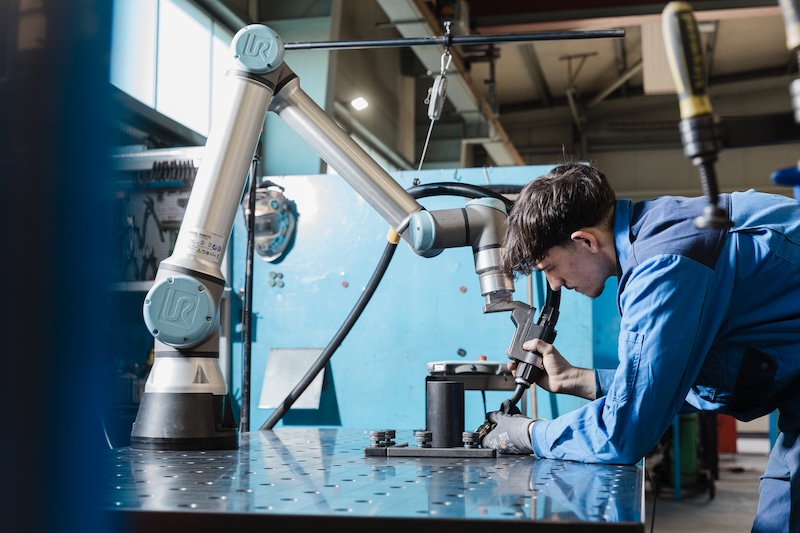
The robotics sector is on the brink of significant transformation, with major advancements expected by 2026. According to Anders Billesø Beck, Vice President of AI Robotics Products at Universal Robots, four key trends are set to redefine the role of robots in creating value across various industries. These insights reflect the rapid evolution of technology and the increasing integration of artificial intelligence in robotics.
Emergence of Smarter Algorithms
One of the primary trends identified is the development of smarter algorithms. As AI technology progresses, robots will increasingly rely on enhanced data processing capabilities. This advancement will allow them to perform complex calculations and make decisions more efficiently. For businesses, this means that automation can drive productivity to new heights while reducing operational costs.
Beck emphasizes that this shift towards smarter algorithms will not only enhance functionality but also improve the adaptability of robots in diverse environments. Companies that adopt these advanced technologies can expect to see a notable increase in operational efficiency by leveraging data-driven insights.
Cooperative Behaviors among Robots
The second trend focuses on the rise of cooperative behaviors among robots. As automation becomes more commonplace, robots will need to work alongside each other and with human operators. This collaboration is designed to maximize productivity and ensure seamless integration into existing workflows.
Beck suggests that as robots learn to communicate and collaborate effectively, industries will benefit from improved task execution. For instance, in manufacturing facilities, robots could work in tandem to manage assembly lines, enhancing both speed and accuracy.
Enhanced Human-Robot Interaction
Improving human-robot interaction is the third pivotal trend. As robots become more sophisticated, their ability to understand and respond to human cues will significantly enhance. The goal is to create robots that can intuitively interpret human actions and emotions, leading to more fluid and productive interactions.
This enhancement has profound implications for industries such as healthcare, where robots could assist medical professionals more effectively by anticipating their needs. As Beck notes, a better understanding of human behavior will allow robots to support workers in a more meaningful way.
Greater Customization and Flexibility
Lastly, the demand for greater customization and flexibility in robotic solutions is expected to rise. Businesses are seeking tailored automation that meets specific needs rather than one-size-fits-all solutions. This trend aligns with the increasing diversity of manufacturing processes and customer demands.
Robotic solutions will need to be adaptable to changing requirements, allowing companies to pivot quickly in response to market shifts. Beck indicates that customizable robots can lead to significant improvements in efficiency and product quality, ultimately benefiting both businesses and consumers.
In summary, the future of the robotics industry is poised for remarkable changes driven by these four trends. As highlighted by Universal Robots, advancements in AI technology, cooperative behaviors, enhanced human interaction, and increased customization will be critical in shaping how robots deliver value in the years to come. As we approach 2026, stakeholders in various industries should prepare for a new era of automation that promises to transform their operations.


