The rapid advancement of artificial intelligence (AI) is leading to unprecedented energy demands, prompting innovators to explore space as a solution for sustainable power. According to recent studies, training a single advanced AI model can consume more electricity than what is used by 120 U.S. homes in an entire year. With global AI adoption on the rise, projections indicate that data center energy demand could double by 2030, creating a critical challenge for existing power infrastructure.
Lado Okhotnikov, founder of the holistic biotech platform Holiverse, highlights the urgency of this issue. “The problem is becoming especially urgent now, as AI is advancing rapidly and its energy demands are growing just as fast,” he states. Okhotnikov emphasizes the need to source energy sustainably without compromising lives or existing industries.
While many are turning to renewable energy as a solution, Okhotnikov acknowledges its limitations. “Renewable energy collected on Earth is no longer a fantasy: many countries are actively transitioning to it, and I hope this shift will only accelerate.” Technologies such as wind, solar, and geothermal energy are essential for progress, but factors like geography and weather hinder their reliability. This situation raises a critical question: what alternatives exist for our energy needs?
Exploring Space-Based Solar Power
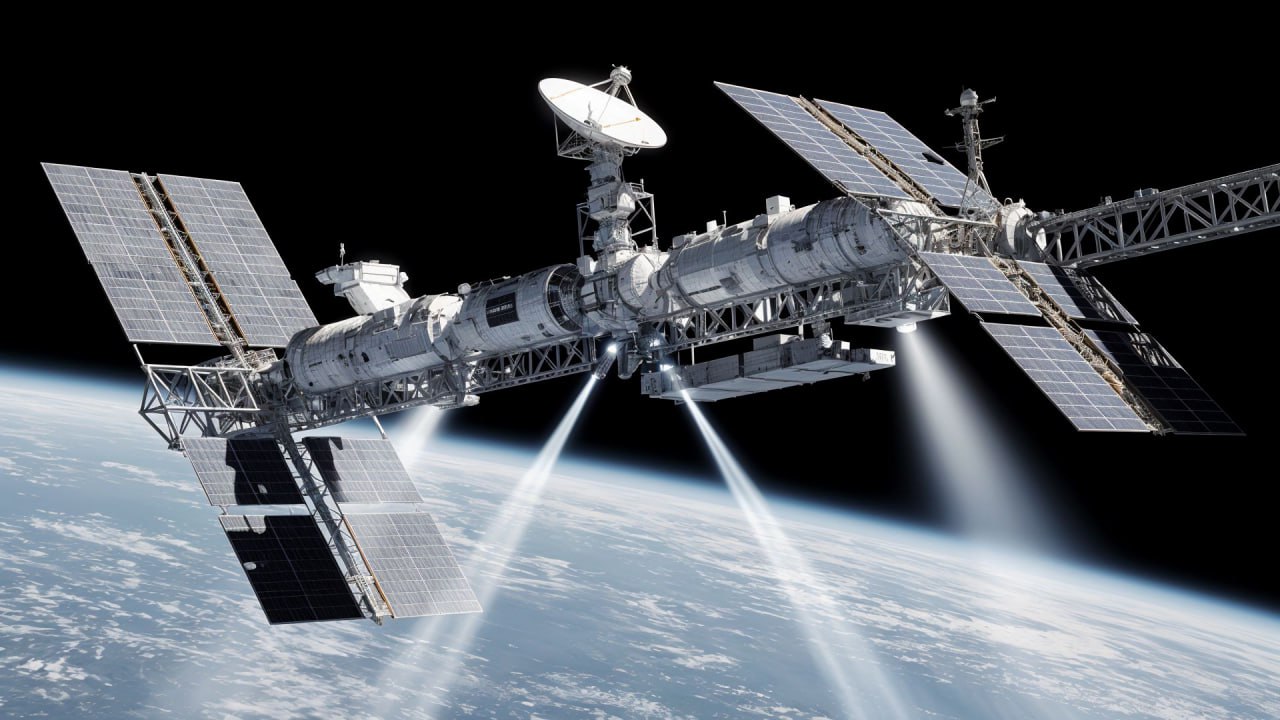
For visionaries like Okhotnikov, the answer lies beyond Earth, in the concept of Space-Based Solar Power (SBSP). This innovative approach envisions large, lightweight solar arrays positioned in geostationary orbit, where they would receive uninterrupted sunlight. The energy collected would then be transmitted wirelessly, using safe, low-intensity microwaves or lasers, to receiving stations on Earth. Such systems could provide a stable, carbon-free power source accessible anywhere on the globe.
This idea is gaining traction, with serious feasibility studies being conducted by agencies like the European Space Agency and NASA. A 2025 analysis for the European energy grid suggested that SBSP could serve as the stable backbone that intermittent renewables currently lack. “The solar power we can collect here on Earth is only a tiny fraction of what is available in space,” Okhotnikov observes, emphasizing the vast potential for energy generation beyond our planet.
Holiverse aims to integrate this innovative energy source into future AI infrastructure. The company is actively investigating designs and collaborations that match space-generated power with the ever-increasing energy demands of AI. Okhotnikov insists, “We are developing technologies capable of powering the next era of AI. It’s a demanding process that brings together some of the brightest minds in this field.”
Overcoming Challenges and Redefining Possibilities
While the path to implementing SBSP is fraught with challenges—such as international governance, orbital construction, transmission efficiency, and high launch costs—advancements in materials science and reusable rocket technology are paving the way for solutions. Okhotnikov expresses optimism, stating that these hurdles are increasingly viewed as engineering and diplomatic problems that can be resolved.
The implications of successfully harnessing space-based energy are profound. By freeing AI from terrestrial energy limitations, researchers could explore new frontiers in material science, personalized medicine, and climate prediction without being constrained by power budgets. “The energy we decide to give it will write it,” Okhotnikov asserts, underscoring the transformative potential of this energy revolution.
As pioneers like Holiverse and other experts continue to explore the possibilities of space-based power, the message is clear: to genuinely advance intelligence in the age of AI, humanity must look beyond the confines of our planet. Harnessing the sun’s limitless energy could be the key to unlocking the next significant leap in artificial intelligence.