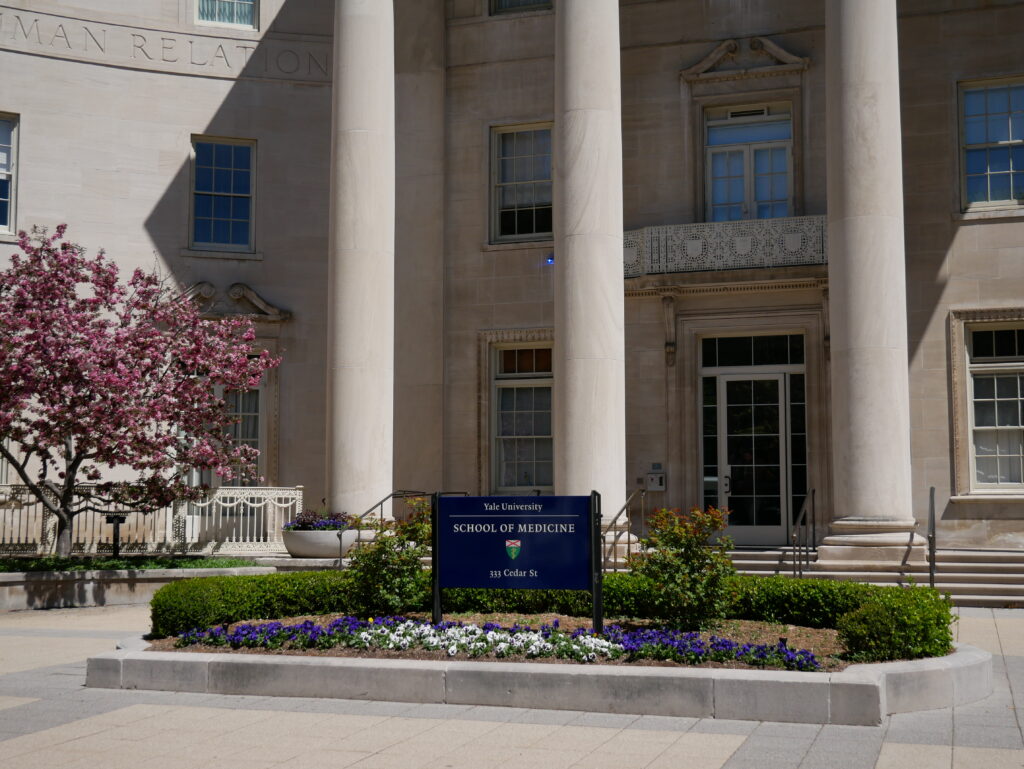
A new center at Yale University aims to develop strategies for healthy aging in individuals living with HIV. The initiative, named the Aging Well with HIV Through Alcohol Research and Risk Reduction and Education (AWAR3E) Center, has received a substantial five-year grant from the National Institute on Alcohol Abuse and Alcoholism. The center will focus on understanding the unique challenges faced by an increasingly aging population of HIV patients.
The AWAR3E Center is spearheaded by three notable figures in the medical field: Amy Justice, a professor of internal medicine and public health; Julie Womack, an associate professor of nursing; and Vincent Lo Re, a professor of medicine and epidemiology at Rutgers University. Their collective expertise will be instrumental in addressing the health complexities associated with aging and HIV.
In an interview, Justice highlighted the growing number of individuals aging with HIV, attributing this trend to advancements in therapy that suppress the virus and extend life expectancy. “There are more people aging with HIV now than ever before,” she explained. Yet, as these patients age, they become more vulnerable to a range of medical conditions, including cancer, cardiovascular disease, liver disease, and diabetes. The center aims to investigate these risks to improve health management for this population.
The AWAR3E Center builds on previous research established by the Veterans Aging Cohort Study (VACS), which Justice originally founded. The VACS has amassed over two decades of longitudinal data from approximately 13.5 million individuals, providing a robust foundation for the AWAR3E Center’s research.
Justice emphasized that the team has developed a network of experts across various disciplines to support their mission. Womack has a strong background in studying fall and fracture prevention among older adults with HIV, while the team includes specialists in liver disease, neurological conditions, heart disease, and cancer.
The grant-writing process itself posed challenges, according to Womack. The team had to establish a timeline and hold regular meetings throughout the development of the grant proposal. Justice noted that they began this collaborative effort in January 2024, with each team member contributing to drafts and collectively refining their goals.
Despite the obstacles, Womack found the interdisciplinary collaboration rewarding. “We have the evaluation and dissemination core, and we’re bringing in providers and people from various HIV-related agencies,” she stated. This diverse input will enhance the center’s ability to communicate its findings effectively to stakeholders in the HIV community.
A significant focus of the AWAR3E Center is to investigate whether stressors, such as alcohol use and socioeconomic challenges, contribute to premature aging through inflammation. Justice pointed out that chronic inflammation is often linked to adverse aging, regardless of HIV status. Factors like obesity, poor diet, lack of exercise, and stress are all contributors to this issue.
One of the center’s key projects will examine biological markers of stress and inflammation in individuals living with HIV. Even with effective treatment, some patients may harbor residual traces of the virus, known as viral reservoirs, which could exacerbate inflammation and stress.
Another research initiative will explore the connections between aging-related health issues, such as falls, fractures, dementia, and hospitalizations, and socioeconomic disadvantages.
Lo Re emphasized the dual purpose of the AWAR3E Center, stating, “Aside from the terrific science that we will advance, one of the big benefits is that it will nurture significant research in alcohol-HIV/AIDS studies and provide valuable mentorship to early-stage investigators.”
Womack also highlighted the center’s commitment to disseminating its findings broadly. A core group will focus on determining how best to communicate research results to patients, healthcare providers, and community organizations.
According to estimates from the Centers for Disease Control and Prevention (CDC), approximately 1.2 million people are currently living with HIV in the United States. The AWAR3E Center represents a vital step towards enhancing the quality of life and health outcomes for this population as they navigate the complexities of aging.