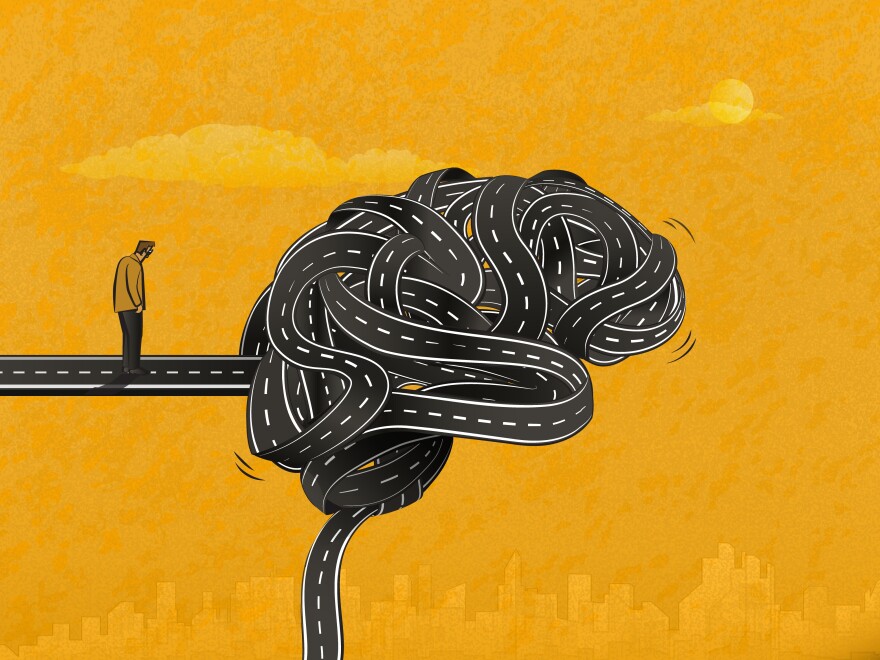
A significant decline in funding for brain science research in the United States is prompting many young scientists to reconsider their career paths. According to the Society for Neuroscience (SfN), which represents over 37,000 researchers and clinicians, ongoing disruptions in federal funding could undermine efforts to understand and treat critical brain disorders such as Alzheimer’s, autism, Parkinson’s disease, and schizophrenia.
John Morrison, a professor at the University of California, Davis, and president of SfN, emphasized the potential consequences, stating, “The U.S. has been a world leader in research for decades, and that leadership position is now at risk.” The situation will likely dominate discussions at the organization’s annual meeting in San Diego, scheduled to begin on March 15, 2025, attracting around 20,000 attendees.
Funding Disruptions Threaten Future Research
Since the beginning of the Trump administration, federal funding bodies such as the National Institutes of Health (NIH) and the National Science Foundation (NSF) have experienced cuts, grant terminations, and abrupt policy changes. Federal health officials have suggested these measures aim to reduce fraud and waste and align scientific priorities with the administration’s agenda. But for young scientists like Clara Zundel, a postdoctoral researcher at Wayne State University in Detroit, the impact has been distressing.
Zundel, who investigates the effects of pollution on brain development, currently receives NIH funding. However, the consideration of an NIH grant extension has been delayed, leading her to forgo attending this year’s neuroscience meeting. “Many universities are still on partial or even full hiring freezes,” Zundel remarked. “So it’s just made it really scary to think how I’m going to take that next step.”
While Zundel remains committed to her research, she acknowledges the uncertainty. “Talk to me in another three months,” she noted, “and I might change my mind.” This sentiment reflects a broader anxiety among young researchers, with Morrison noting, “You hear things like, ‘I’ve prepared my whole life for this. Is it gone now?'”
The Economic and Human Cost of Funding Cuts
The NIH typically grants funding for five years, and many scientists base their research timelines on this structure. Recently, several grants have experienced pauses or premature terminations, which Morrison asserts can render previous work ineffective. He challenges the administration’s claims of saving taxpayer money, arguing that the long-term human and financial costs of cutting research will be substantial.
For example, while research into Alzheimer’s disease costs the federal government several billion dollars annually, the expenses associated with caring for individuals with the condition are significantly higher—amounting to hundreds of billions each year. Morrison cites the late Mary Lasker, a notable philanthropist, who famously stated, “If you think research is expensive, try disease.”
This perspective has historically garnered bipartisan support for brain science funding in Congress. Diane Lipscombe, a professor at Brown University and chair of government and public affairs at SfN, highlights that publicly funded research fosters economic growth by producing new medical technologies and training future professionals.
Despite the current challenges stemming from the executive branch, neuroscientists are proactively addressing the situation, seeking to engage the public in advocacy. The Society for Neuroscience has launched an initiative to share videos of scientists discussing their work and its significance.
Lipscombe encourages young scientists facing uncertainty, urging them to hold onto their passions. “You just have to stay with what you love because things will get better,” she stated, expressing hope for a more stable future in brain research.