On January 6, significant events unfolded in Chicago’s history, including a devastating playoff loss for the Chicago Bears in 2019 and the tumultuous attack on the U.S. Capitol in 2021. These incidents highlight the city’s rich yet complex narrative, marked by both sports triumphs and national turmoil.
Playoff Agony for the Chicago Bears
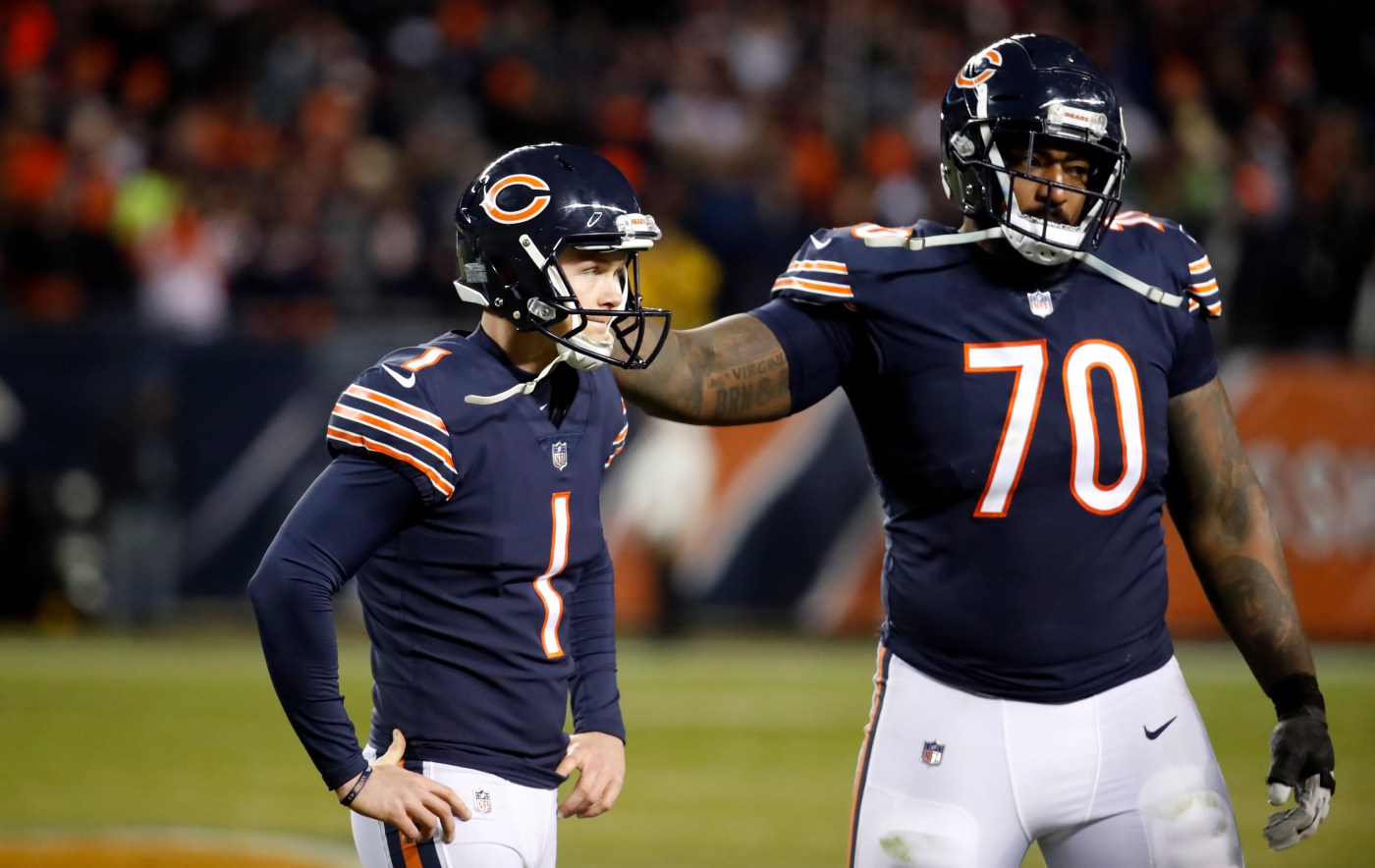
On January 6, 2019, the Chicago Bears faced off against the Philadelphia Eagles in a pivotal NFC Wild Card playoff game at Soldier Field. The Bears had surged ahead to a 15-10 lead, thanks to a 22-yard touchdown pass from quarterback Mitch Trubisky to Allen Robinson with just over nine minutes remaining in the fourth quarter. With the defense holding strong, the game appeared to be within reach for the Bears.
However, the Eagles managed to regain the lead in the final moments, with quarterback Nick Foles connecting with Golden Tate for a touchdown. After a quick return by Tarik Cohen, Trubisky advanced the Bears into field-goal range. Kicker Cody Parkey attempted a 43-yard field goal with only ten seconds left, initially successful, but the kick was nullified by a timeout. His second attempt resulted in the infamous “double doink” — the ball striking both the left upright and then the crossbar, sealing the Bears’ fate with a 16-15 loss and eliminating their playoff hopes.
Capitol Riot and Legal Repercussions
The date also carries weight due to the events that transpired on January 6, 2021. Supporters of then-President Donald Trump stormed the U.S. Capitol, disrupting the congressional process that aimed to confirm President-elect Joe Biden‘s victory. This attack resulted in over 1,500 arrests nationwide, marking it as one of the most extensive criminal investigations in United States history.
In the aftermath, authorities charged at least 49 individuals from Illinois for their involvement in the Capitol riot. This investigation continues to unfold, revealing the extent of the unrest and the legal ramifications for those involved. Following the incident, President Trump issued pardons that affected many who participated in the riot.
Weather Extremes and Historical Context
Chicago’s history on January 6 is not solely defined by sports and politics; it also includes significant weather events. In 1918, a blizzard struck the city, dropping nearly 15 inches of snow over two days, leading to severe transportation disruptions. The storm, one of the largest in the city’s recorded history, prompted authorities to enlist over 300 men to clear the streets, as communication and deliveries were severely hampered.
In the realm of science and innovation, Evelyn Carmon Nicol, a respected immunologist, received a U.S. patent for urokinase production on January 6, 1976. Nicol, a trailblazer and one of the few Black women to achieve such recognition in her field, contributed significantly to medical science through her work with companies like Abbott and Baxter. Despite passing away from complications related to COVID-19 in 2020, her legacy continues to inspire future generations.
These events that fall on January 6 reflect the diverse tapestry of Chicago’s history, showcasing moments of both profound heartache and remarkable achievement. As the city remembers these past events, it also looks forward, navigating the challenges and opportunities of today.