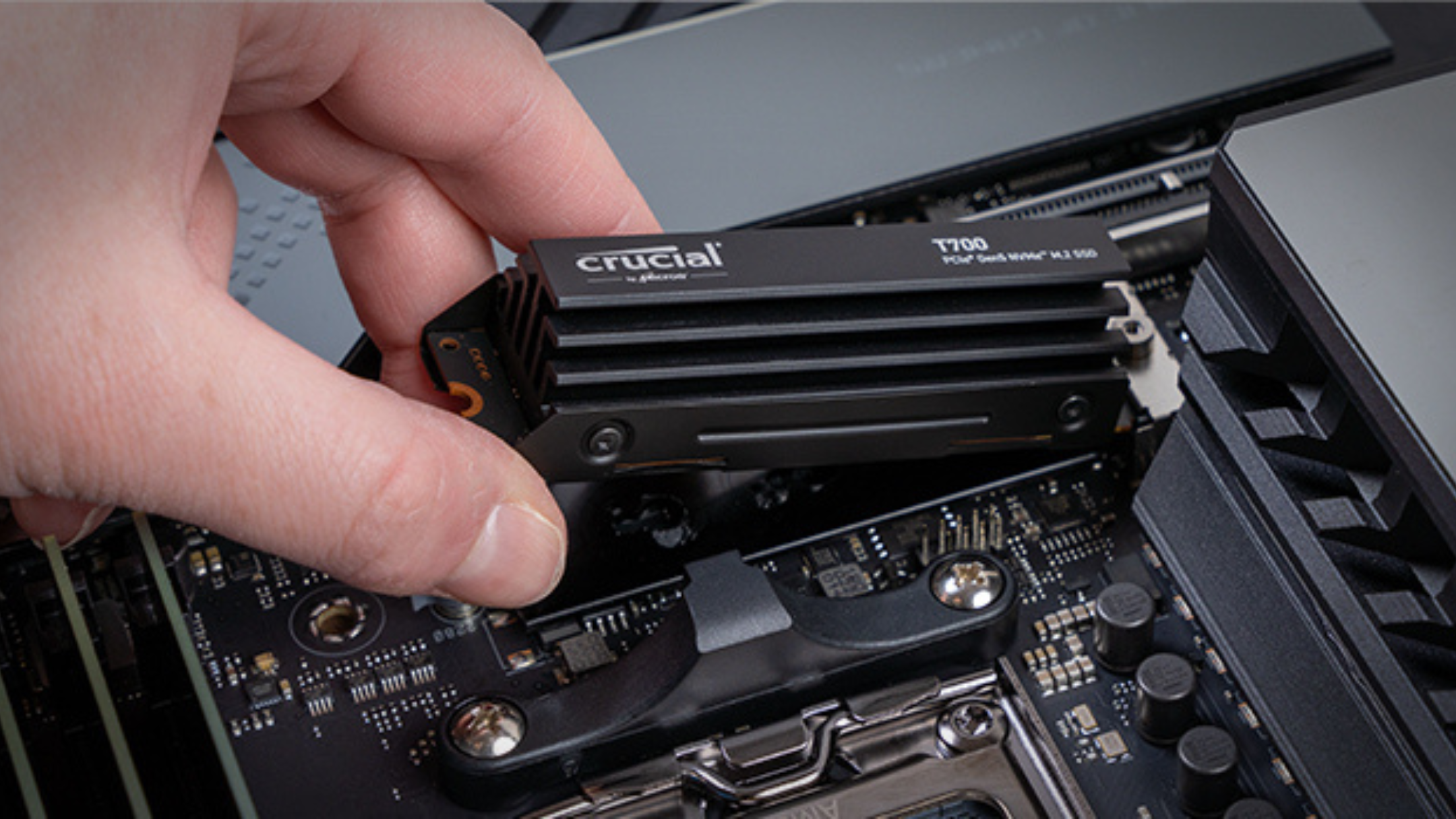
As 2026 approaches, many gamers are reconsidering their hardware upgrade plans due to soaring prices for essential components. This year, discussions around new graphics processing units (GPUs), additional RAM, and solid-state drives (SSDs) have largely come to a halt. The driving force behind this shift is the unprecedented increase in prices across the board for these critical gaming components.
The technology market has experienced significant fluctuations in pricing over the past year. According to market analysis from industry experts, the costs for RAM, SSDs, and GPUs have surged, with some components seeing increases of over 30% compared to the previous year. This dramatic rise is attributed to various factors, including ongoing supply chain issues and inflationary pressures affecting the broader economy.
Hardware Purchasing Trends Shift
In previous years, gamers would eagerly anticipate opportunities to upgrade their systems, often planning for multiple purchases. However, the current landscape has forced many to rethink their strategies. Reports indicate that a significant number of consumers are now opting to delay or completely abandon their upgrade plans for 2026.
For instance, a recent survey revealed that approximately 60% of gamers have decided against purchasing new hardware this year. Many are choosing to maintain their current setups or explore alternative solutions, such as optimizing existing components, rather than investing in new, costly gear.
The Impact of Economic Conditions
The current economic environment is influencing not only gaming hardware purchases but also consumer spending habits more broadly. Rising costs for everyday goods and services are leading to tighter budgets, prompting gamers to prioritize their spending. As they navigate these challenges, many are focusing on performance over new purchases.
With inflation reported at its highest level in decades, many consumers are feeling the pinch. This financial strain extends beyond gaming, affecting other sectors as well. The combined effects of rising prices and economic uncertainty have resulted in significant shifts in consumer behavior.
In light of these developments, gamers are likely to adopt a more cautious approach to hardware upgrades. As manufacturers and retailers respond to the evolving market, it remains to be seen how prices will stabilize or change. For now, the gaming community is bracing for a year of careful consideration and strategic planning regarding their hardware investments.
As 2026 unfolds, the focus on performance optimization over new purchases may redefine how gamers approach their setups. The trends observed in the technology market reflect a broader narrative of economic adaptation, wherein even passionate gamers must navigate the realities of rising costs and limited budgets.