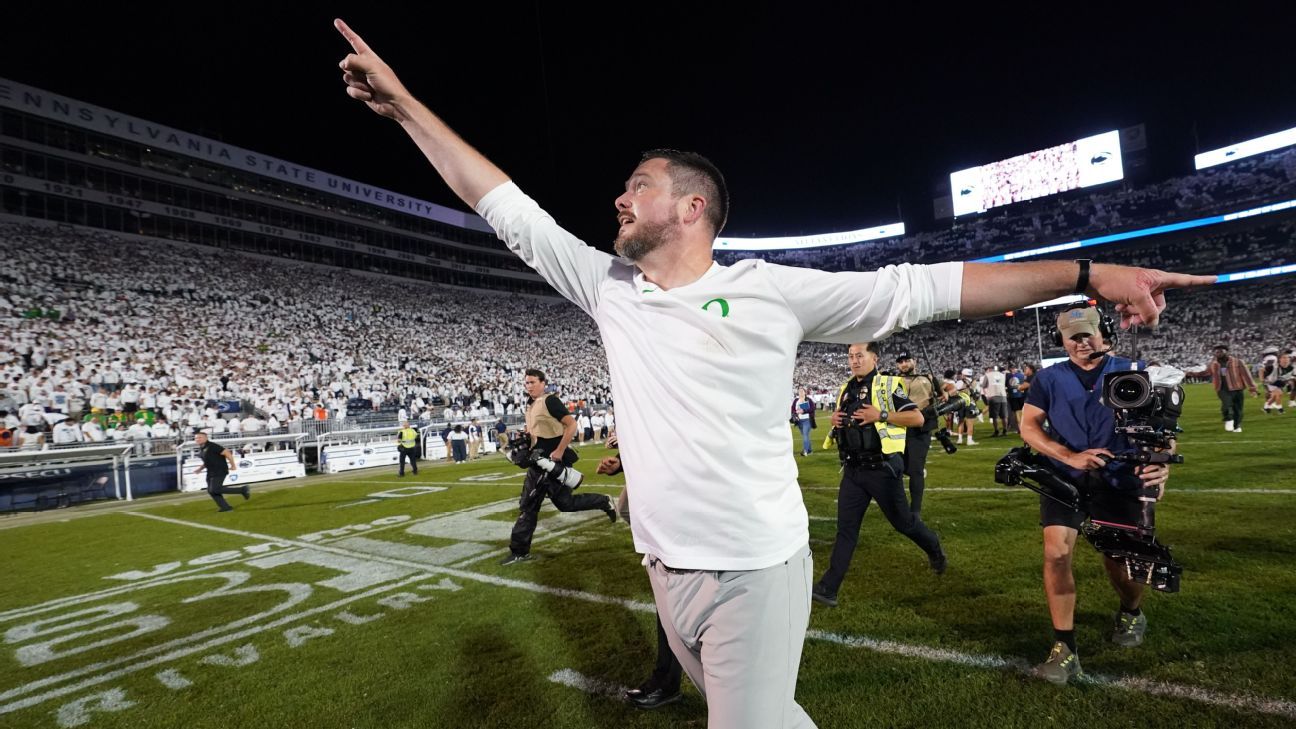
In a recent press conference, Oregon Ducks head coach Dan Lanning expressed his strong preference for concluding the college football season by January 1 each year. This change aims not only to streamline the sport’s calendar but also to reduce the lengthy breaks that playoff teams experience between games, particularly those with a bye week. Lanning’s comments came ahead of the College Football Playoff (CFP) quarterfinal match at the Capital One Orange Bowl.
During the conference, Lanning was asked about potential changes to address ongoing challenges faced by playoff teams. These issues include coordinators departing for head coaching positions and the opening of the transfer portal on January 2. “Every playoff game should be played every single weekend until you finish the season,” he stated. He suggested that adjustments could involve starting the season earlier or even eliminating bye weeks to ensure that the playoffs conclude by January 1. This would allow coaches to transition smoothly to new opportunities as the transfer portal opens.
Lanning’s remarks highlight the juggling act faced by his staff, including offensive coordinator Will Stein, who has taken a position at the University of Kentucky, and defensive coordinator Tosh Lupoi, now with the University of California. Ohio State’s offensive coordinator and newly appointed head coach at the University of South Florida, Brian Hartline, is also managing responsibilities for both programs. Lanning commented, “Our national championship game this year is January 19, and that’s really hard to envision as a coach trying to join a new program and start a staff.”
The current structure of the CFP has faced scrutiny, particularly after last year’s playoffs. Oregon, which was the top seed, encountered a lengthy layoff before losing to Ohio State in the quarterfinals. Lanning noted that all four teams with byes last year ultimately lost their quarterfinal matches.
Texas Tech coach Joey McGuire has been in discussions with various coaches who experienced similar challenges last season, including Kenny Dillingham of Arizona State. He acknowledged that while the extra time off allowed for health benefits, particularly for quarterback Behren Morton, it also required careful planning to maintain team rhythm. “We added periods or there’d be sudden changes in practice,” McGuire explained, emphasizing the importance of staying in sync with game speed.
Lanning believes that shifting the CFP to weekends throughout December would alleviate many of these concerns. He remarked, “I’ve got a ton of respect for the NFL, but we’re a prep league for the NFL. We do a lot of favors for the NFL.” He expressed that college football should prioritize its own calendar, stating that “Saturday should be sacred for college football,” and that each Saturday in December should be dedicated to the sport.
As the college football landscape continues to evolve, Lanning’s advocacy for a January 1 conclusion to the CFP reflects broader discussions about the future of the sport and the need for adjustments that support both teams and players. With significant changes on the horizon, the college football community will be watching closely as these ideas gain traction.