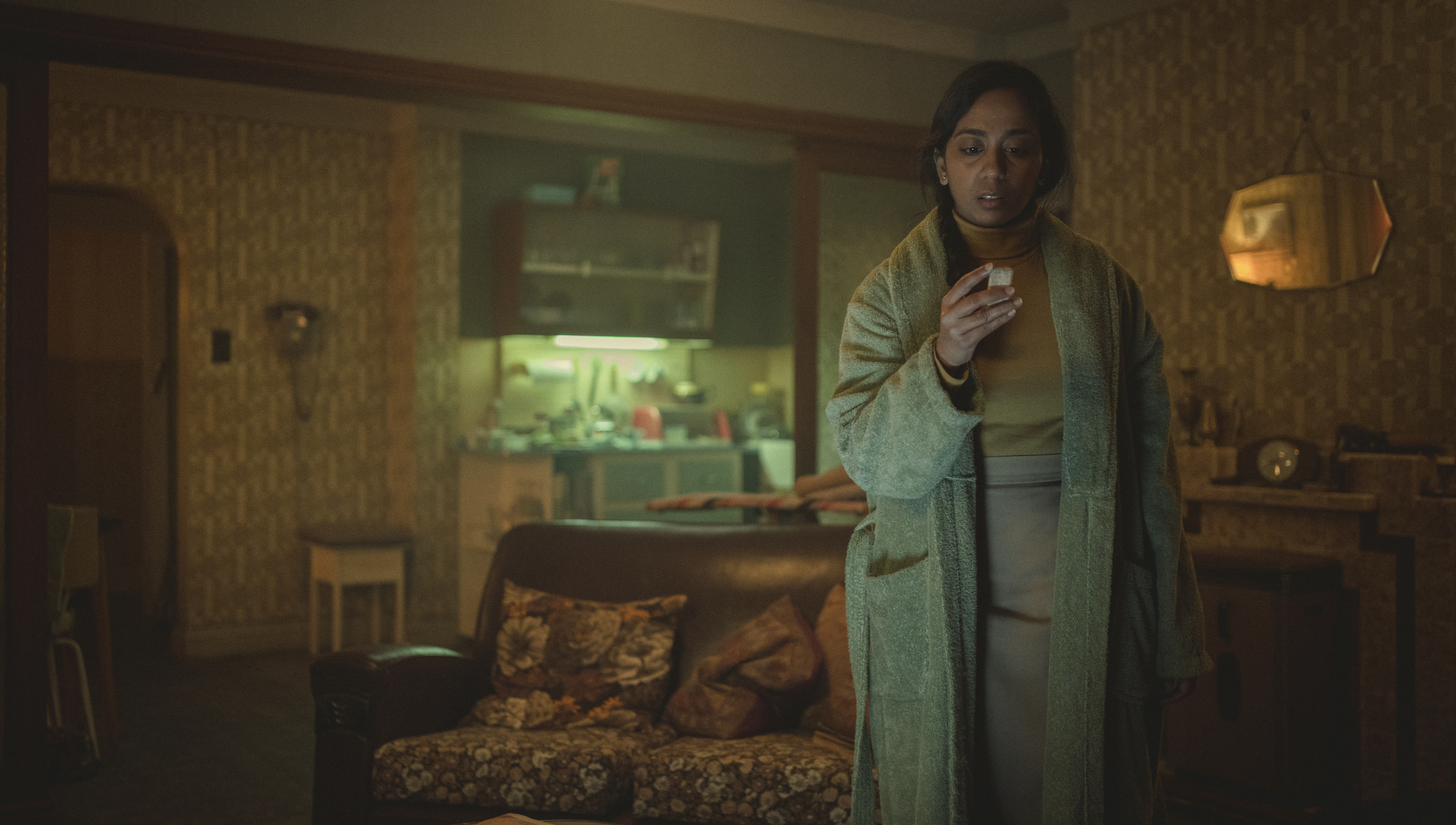
As the landscape of science fiction continues to evolve, television has emerged as a dynamic medium for storytelling. Series such as Stranger Things and Westworld, featuring acclaimed actors like Christopher Walken, are demonstrating the ability of TV to craft complex narratives that engage audiences on multiple levels. With a growing number of shows exploring diverse themes and innovative concepts, the small screen is becoming the new frontier for sci-fi.
Innovative Series Redefine Sci-Fi on Television
The recent surge in quality sci-fi television can be attributed to major streaming platforms like Apple TV+ and Netflix. These services are producing groundbreaking series that push the boundaries of traditional storytelling. For example, Resident Alien, a comedy-drama starring Alan Tudyk, follows an alien who crash-lands on Earth with the intention of destroying humanity. However, as he adopts the life of a small-town doctor, he unexpectedly develops human emotions, complicating his mission. This series showcases the unique ability of television to blend genres and delve into character development in ways that are often not feasible in film.
Another notable series is Silo, based on Hugh Howey‘s acclaimed novel series. This Apple TV+ production features a dystopian narrative where the remnants of humanity live in a massive underground silo due to a toxic environment above. The story follows engineer Juliette, portrayed by Rebecca Ferguson, as she uncovers dark secrets after a tragic incident. With a compelling mix of mystery and drama, Silo has already completed filming for its second season, promising to expand its universe further.
Anthologies and Complex Worlds Take Center Stage
The anthology series Black Mirror, created by Charlie Brooker, delves into the darker aspects of technology and its implications for society. Each episode presents a standalone story that reflects contemporary issues through a sci-fi lens. Since its debut in 2011, Black Mirror has captivated audiences with its thought-provoking narratives, featuring stars like Daniel Kaluuya and Bryce Dallas Howard. Its exploration of technology’s potential dangers resonates strongly with viewers, making it a standout in the genre.
In a different vein, Dark Matter follows physicist Jason Dessen, played by Joel Edgerton, who finds himself in an alternate reality after being kidnapped. The series, adapted from Blake Crouch‘s novel, creatively employs both CGI and practical effects to depict multiverses, enhancing the storytelling experience.
Another innovative project is Severance, featuring Adam Scott as Mark Scout. The series explores a unique premise where employees undergo a procedure that separates their work and personal memories. As Mark becomes embroiled in a growing mystery, Severance tackles themes of capitalism and identity, showcasing television’s ability to explore complex ideas in depth.
Meanwhile, HBO’s Westworld, based on the film by Michael Crichton, invites viewers into a futuristic theme park populated by lifelike androids. As the series progresses, it raises questions about consciousness and freedom, demonstrating how television can expand upon an original cinematic concept to create rich, immersive narratives.
Looking ahead, the upcoming series Fallout, inspired by the popular video game franchise, promises to deliver thrilling adventures in a post-apocalyptic Los Angeles. With an impressive cast led by Walton Goggins, it aims to capture the essence of survival amid societal collapse.
As television continues to evolve, it is clear that these series are redefining the sci-fi genre. By leveraging the unique strengths of the medium, they are crafting complex, engaging stories that resonate with audiences across the globe. The future of sci-fi on television appears bright, with innovative narratives and diverse themes set to captivate viewers for years to come.