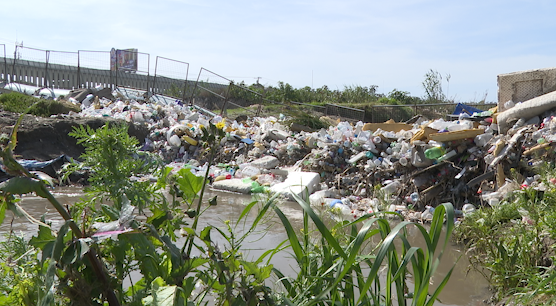
A major repair operation has successfully addressed a ruptured pipe that released over 11.5 million gallons of toxic wastewater into the Tijuana River Valley. The incident, which occurred in September 2023, raised significant environmental concerns for communities along the California border and beyond.
The collapsed pipe was part of a system that transports wastewater from Mexico to treatment facilities. Following the rupture, the U.S. Environmental Protection Agency (EPA) and Mexico’s National Water Commission (CONAGUA) collaborated on an urgent response to mitigate the environmental impact. The swift actions taken included deploying containment measures to minimize the spread of contaminants in the river.
Despite the successful repairs, concerns about the long-term environmental effects remain prevalent. Local residents and environmental activists are worried about potential health risks associated with the toxic discharge, which has raised alarms regarding water quality in the Tijuana River and surrounding areas.
Health risks linked to polluted water include skin infections and gastrointestinal illnesses, particularly for vulnerable populations. According to the EPA, the agency is actively monitoring the situation and has implemented regular testing protocols to assess water quality. Officials are also coordinating with local health departments to ensure public safety.
In a statement, the EPA emphasized the importance of ongoing monitoring, asserting, “We are committed to protecting the health of the communities along the Tijuana River. Our teams will continue to assess the situation closely.”
While repairs have restored flow through the pipeline, the incident underscores the need for improved infrastructure to prevent future leaks. Experts have called for increased investment in wastewater management systems, particularly in regions vulnerable to such environmental hazards.
The Tijuana River Valley has long faced challenges related to pollution, often exacerbated by heavy rains that can overwhelm existing systems. This recent event has reignited discussions on binational cooperation and the importance of sustainable water management practices.
As local authorities and environmental groups push for better safeguards, the focus will remain on ensuring that the Tijuana River can be a safe resource for both ecosystems and communities. The long-term implications of this incident will likely shape future policy discussions regarding wastewater management in the region.
In summary, while the immediate crisis has been addressed, the Tijuana River Valley continues to face significant challenges in protecting its water resources and public health. Ongoing vigilance and investment in infrastructure are essential to prevent similar incidents in the future.