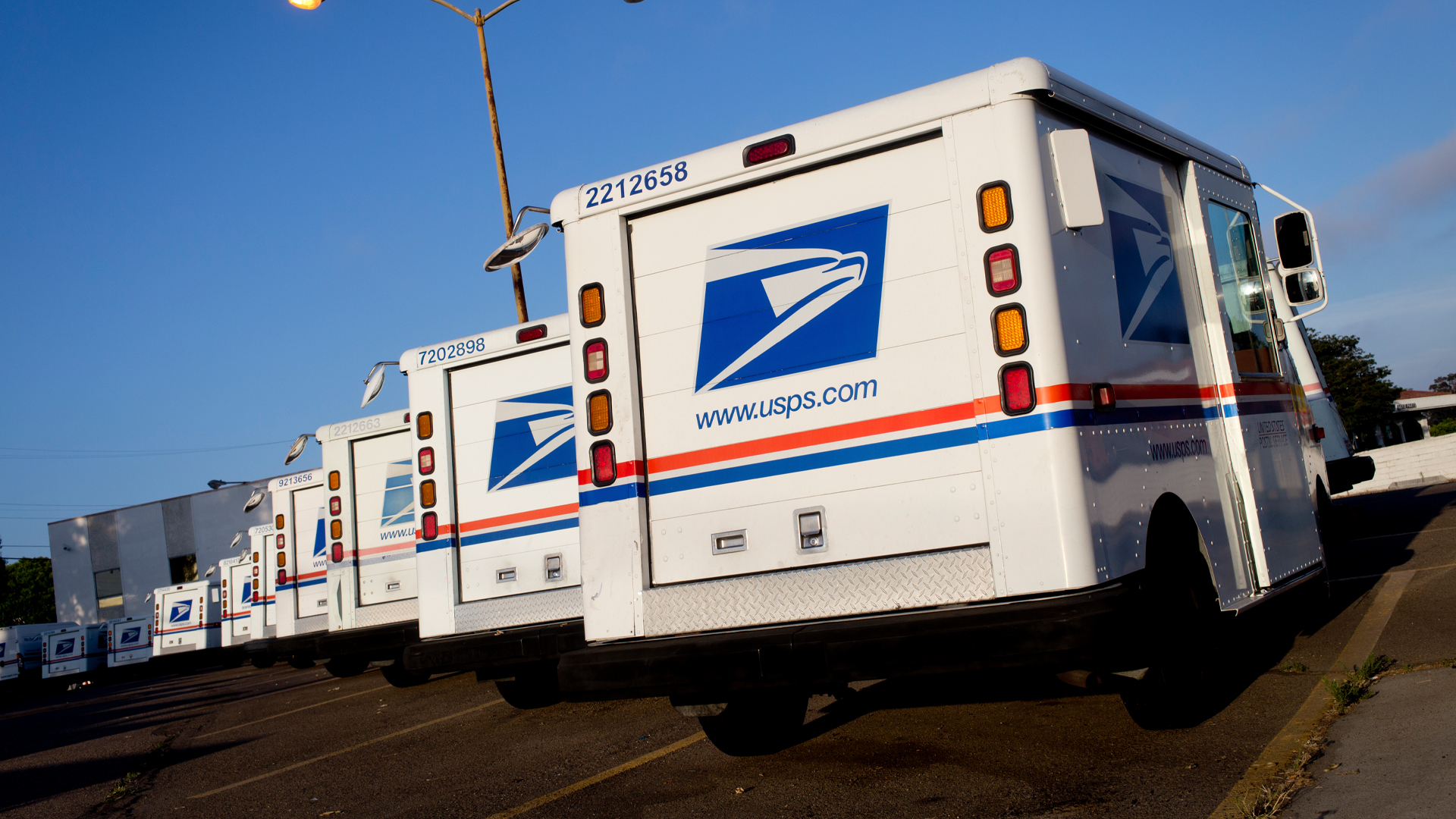
URGENT UPDATE: A major shakeup in online delivery is underway as Amazon prepares to end its longstanding partnership with the United States Postal Service (USPS). This decision could redefine package deliveries for millions of Americans, raising concerns about potential delays and service changes. The split is expected to take effect when the current agreement expires in late 2026, following months of unsuccessful contract negotiations.
For decades, USPS has served as a crucial “last-mile” carrier for Amazon, especially in rural and hard-to-reach areas. With this shift, Amazon is moving towards an in-house delivery model, leveraging its rapidly expanding logistics network to handle more deliveries independently. Reports indicate that this strategy is fueled by ongoing financial pressures on USPS, which has reported staggering net losses of $9.0 billion for fiscal year 2025 and $9.5 billion the previous year.
This change is particularly significant for shoppers in rural communities, where USPS has historically filled gaps left by other carriers. As Amazon ramps up its in-house capabilities, customers in these areas may experience longer delivery windows or decreased reliability. In metropolitan areas, shoppers might notice a different face at their door as Amazon drivers take over a larger share of deliveries.
The implications of this decision extend beyond delivery times. Analysts warn that up to 100,000 jobs could be affected across postal operations and contract delivery roles tied to Amazon’s volume. While these positions may not disappear instantly, a sustained reduction in package deliveries could force staffing changes across multiple regions.
As USPS grapples with declining traditional mail volumes, losing Amazon’s substantial shipping revenue—estimated at over $6 billion annually—could accelerate the need for cost-cutting measures. The agency is already exploring new business avenues to offset these losses, including competitive bidding for its delivery network.
In a broader context, this move aligns with Amazon’s ongoing trend toward vertical integration, creating a delivery system it can fully control. Critics are raising concerns that this shift could disadvantage smaller retailers unable to compete with Amazon’s speed and cost advantages. Additionally, the evolving landscape may reshape competition in the U.S. shipping market, as Amazon relies less on USPS and other rivals like UPS and FedEx.
As this situation develops, both consumers and industry stakeholders are urged to stay informed about potential impacts on delivery services. The urgency of this transition underscores a pivotal moment for shopping and shipping in America, with implications that could reverberate throughout the economy.
Stay tuned for more updates on this evolving story.