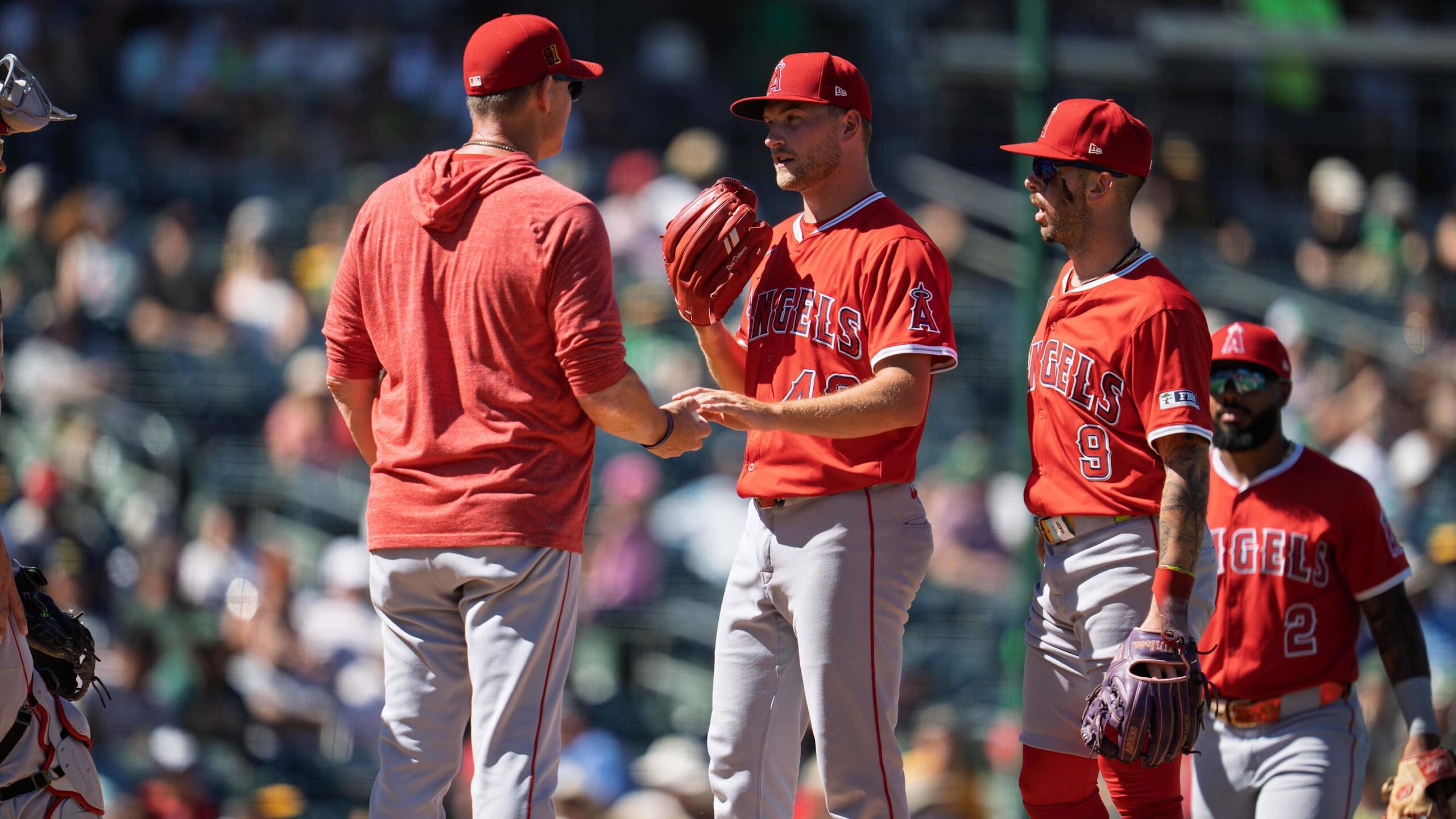
The Los Angeles Angels face a critical juncture as they prepare for a challenging future, particularly with a potential lockout looming in 2027. After consecutive seasons with over 90 losses, the organization finds itself lacking talent at every level. According to USA Today, the Angels’ farm system ranks an alarming 29th out of 30 Major League Baseball (MLB) clubs. FanGraphs offers a slightly more favorable view, placing them 26th at the end of the 2025 season.
The Angels are in dire need of young talent to become competitive again. Current projections suggest it may take an additional two to three years of strategic acquisitions to field a winning team. This timeframe could align well with the opportunity presented by the anticipated lockout. With many young players likely earning league minimum salaries, the organization could allocate funds toward signing impactful free agents, enhancing their chances of success.
Potential Lockout and Its Implications
The Collective Bargaining Agreement between MLB ownership and the Major League Players Association (MLBPA) is set to expire at the end of the 2026 season. Many insiders expect a prolonged lockout, given the increasing economic disparities and competitive imbalances within the league. Discussions about a salary cap are intensifying, although the players are expected to oppose such measures. Notably, the need for a salary floor has gained less attention, yet it could significantly affect revenue distribution across teams.
In the event of a lockout, all members of the MLBPA would be affected. However, minor league players, who recently formed their own union under the MLBPA umbrella, would not face the same restrictions. This situation mirrors the 2021 lockout, where minor league baseball continued to operate largely as usual, especially at lower levels. Consequently, the Angels could benefit from a year of minor league development without the pressure of major league losses.
The Washington Nationals exemplify this strategic approach. Recently, they traded pitcher Mackenzie Gore to the Texas Rangers for a package of five prospects, including 2025 first-round pick Gavin Fien and fireballer Alejandro Rosario. Although neither player is expected to make an impact in the majors until at least 2028, this move could significantly elevate the Nationals’ farm system, which previously ranked 23rd.
Rebuilding with a Long-Term Focus
The Angels should consider adopting a similar strategy. Evaluating their current roster, player Jo Adell faces a tight timeline, with only two years remaining before free agency. While he possesses considerable power, trading him could yield valuable prospects for the future. Jose Soriano, with three years of club control, holds trade value comparable to that of Gore, providing another opportunity for the Angels to acquire talent.
The organization must confront the likelihood of another subpar season before the potential lockout. The current farm system is heavily biased towards pitchers and lacks impactful hitters. Fortunately, many of these arms are at the Double-A and Triple-A levels, suggesting they could be MLB-ready by the time play resumes in 2028.
Keeping 22-year-old Caden Dana in the minors until he is 24 would grant the Angels control over him until age 30, aligning with his prime years. Similarly, first-round pick Tyler Bremner has the potential to develop into a major leaguer by age 24, given the right guidance.
Ultimately, the difference between losing 90 games and 100 or 110 is negligible in terms of playoffs and attendance figures. However, having a clear direction toward improvement is crucial for the franchise’s future. The Angels currently lack such a vision, but by strategically leveraging the anticipated 2027 lockout, they could emerge with a roster bolstered by developed talent and the financial flexibility to acquire necessary assets.
As the Angels navigate this uncertain landscape, they must prioritize a rebuilding strategy that positions them for success in the coming years. By focusing on player development and smart acquisitions, the franchise can hope to create a competitive team around emerging stars like Zach Neto and Logan O’Hoppe, ensuring they are well-prepared for the challenges ahead.