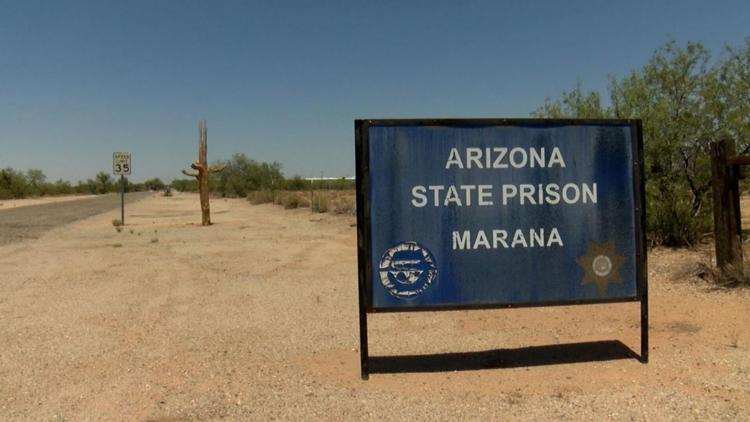
BREAKING: Starting December 15, 2023, the Arizona Department of Corrections, Rehabilitation and Reentry will implement a controversial shift from physical to digital mail for inmates. This urgent change aims to combat contraband but has sparked fears among families that it could severely impact inmates’ mental health.
Families are expressing deep concerns about the emotional toll of losing physical letters, often seen as a vital lifeline for inmates. One Phoenix resident, who requested anonymity for her brother’s safety, shared how physical mail has been crucial for their bond over the past 13 years. “We’re close. We’ve always been close,” she stated, emphasizing how letters bring hope and connection.
The department claims this transition will enhance security, stating they have faced issues with drug-soaked paper being smuggled into prisons. This decision follows a troubling incident in November, where four female prisoners in Goodyear were hospitalized after exposure to illegal substances.
“There’s something really special about getting a piece of mail in your hands and opening it,” the woman explained. She believes that these letters offer inmates moments of joy and connection, allowing them to hold onto memories, like children’s drawings.
Beginning next month, all general mail will be sent to a facility in Texas, where it will be scanned and delivered digitally to inmates’ tablets or kiosks. Families fear this method will strip away personal touches that physical mail provides, further dehumanizing those behind bars.
“Families want transparency and real numbers on how often contraband is smuggled in,” she added. “There must be better ways to enhance security without taking away our loved ones’ ability to connect.”
While legal mail, publications, and packages will still arrive physically, the majority of personal correspondence will now be received digitally, raising alarms about the psychological effects on inmates.
As this situation develops, families are left to navigate a new reality where digital communication could replace heartfelt letters, prompting questions about the future of inmate rehabilitation and emotional well-being.
Watch for updates as this story unfolds, and learn more about the implications of this significant policy change for families and inmates alike.