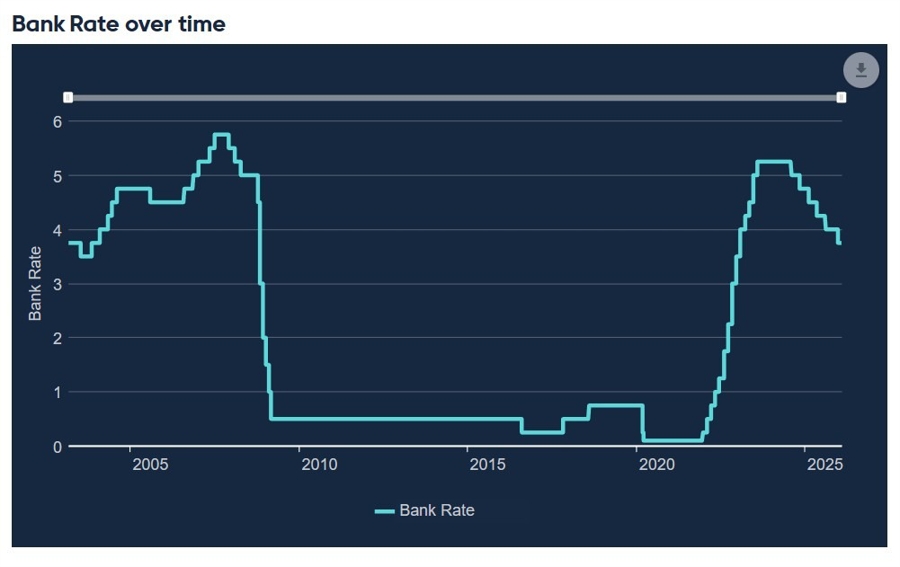
URGENT UPDATE: The Bank of England is set to announce its decision to maintain the interest rate at 3.75% during a meeting on February 5, as inflation trends cool but wage pressures linger. This decision comes after a rate cut was implemented just before Christmas, indicating a cautious approach to monetary policy.
Latest reports suggest that while headline inflation is projected to decline sharply in the upcoming months, moving closer to the 2% target, underlying pressures—especially in service sectors and wage growth—continue to complicate the outlook for policymakers. Members of the Monetary Policy Committee are reportedly uneasy about declaring victory over inflation, emphasizing the importance of a data-driven approach.
Investors are closely monitoring the anticipated vote split among committee members. A narrow or divided outcome could hint at a future inclination toward easing rates, whereas a unanimous decision to hold rates steady would signal ongoing discomfort around domestic inflation, particularly within the labor market.
Market reactions indicate a growing uncertainty regarding future rate cuts. Recent adjustments have resulted in diminished expectations for rate reductions this year, with investors now perceiving a low probability of near-term easing. This shift in sentiment reflects not only domestic inflation concerns but also evolving global dynamics, including a stronger economic momentum in the UK and a reevaluation of policy easing in the United States.
Analysts expect the updated economic projections to align closely with previous forecasts, which indicated inflation hovering around the target over the medium term. However, the Bank remains vigilant regarding external risks, including geopolitical uncertainties and shifts in global financial conditions.
As the February 5 meeting approaches, market focus will pivot to the Bank’s messaging rather than its mechanics. Any subtle changes in language regarding wages, labor-market conditions, or financial stability could significantly influence expectations for future monetary policy moves.
This developing situation underscores the critical balance the Bank of England must strike between supporting economic growth and managing inflation risks. With millions of households and businesses closely watching for any signs of change, the implications of these decisions will resonate across the UK economy and beyond.
Stay tuned for updates as the situation unfolds, and prepare for potential market shifts following the Bank’s announcement.