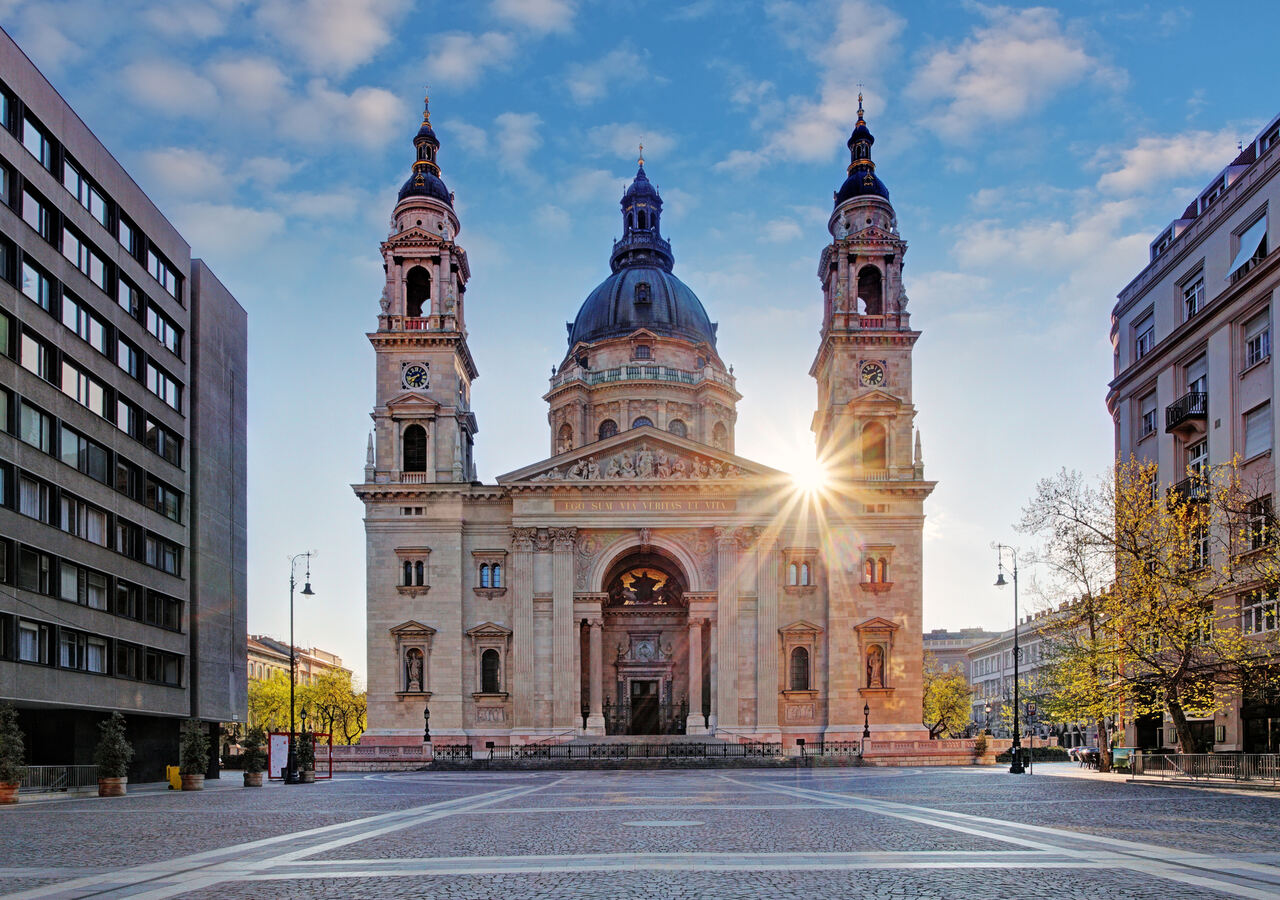
URGENT UPDATE: Budapest’s most famous landmarks are not just architectural marvels; they embody centuries of history and cultural significance. As thousands of tourists flock to Hungary’s capital, the stories behind these iconic sites are gaining renewed attention.
Buda Castle, towering over the Danube since the 13th century, has transformed from a royal palace to a cultural hub. Originally built as a fortress after the Mongol invasion, this landmark has faced numerous reconstructions, especially following the devastation of World War II. Today, it serves as home to museums and the National Széchényi Library, attracting history enthusiasts and art lovers alike.
Meanwhile, the majestic Hungarian Parliament Building, completed in 1904, stands proudly on the banks of the Pest side. As one of Europe’s largest legislative buildings, its Neo-Gothic design symbolizes Hungary’s assertion of independence during the Austro-Hungarian Empire. Inside, it houses the revered Holy Crown of Hungary, making it a must-visit for those seeking to understand the nation’s identity.
The Chain Bridge, which opened in 1849, was the first permanent link between Buda and Pest. Before its construction, crossing the Danube relied on temporary bridges and ferries. The bridge played a pivotal role in unifying the two sides of the city, which officially merged in 1873 to form modern Budapest.
Alongside these historical treasures, Fisherman’s Bastion offers stunning panoramic views of the Parliament and the Danube, despite its relatively recent construction around 1900. Designed as a decorative terrace rather than a fortification, its fairy-tale towers are among the most photographed spots in the city, enchanting visitors with breathtaking vistas.
Heroes’ Square, at the end of Andrássy Avenue, serves as a poignant reminder of Hungary’s rich history. Created in 1896 to commemorate the 1,000th anniversary of the Hungarian state, the square features statues of historic leaders. Currently, the statue of Gabriel Archangel is undergoing its first major restoration in 120 years, with plans for its return in 2026.
Why do these landmarks matter today? They collectively narrate Hungary’s evolution from a medieval kingdom to a contemporary European nation. Visitors not only enjoy stunning architecture but also gain insights into the events that shaped the country’s cultural and political landscape.
As more travelers seek to explore Budapest’s rich heritage, these landmarks are becoming focal points for understanding Hungary’s past and present. Whether you are planning a trip or simply intrigued by history, now is the perfect time to delve into the stories behind these iconic sites.
For those eager to experience Budapest’s historical landmarks, the city offers an array of options all within close proximity, making it feasible to visit several key sights in a single day. With public transport and walkable distances, discovering Hungary’s cultural gems has never been easier.
Stay updated with the latest developments in Hungary’s vibrant capital by following our social media channels and join the conversation about these iconic landmarks that define Budapest.