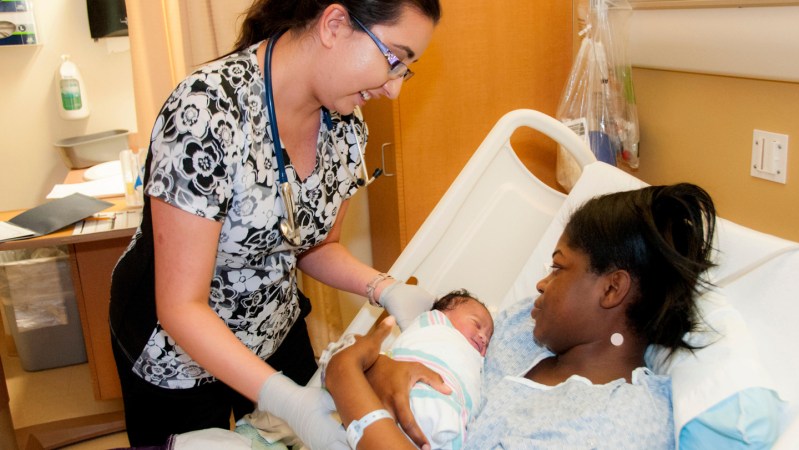
BREAKING: A pivotal decision from the CDC’s Advisory Committee on Immunization Practices (ACIP) has just emerged, ending the universal recommendation for hepatitis B vaccinations for newborns. In a controversial 8-3 vote, the committee decided that only infants born to hepatitis B-positive mothers will receive the vaccine at birth, while others must now wait until two months of age for their first dose.
This dramatic shift comes without new supporting data, raising immediate concerns among health experts. Pediatric infectious disease specialist Dr. Cody Meissner, who voted against the measure, stated, “With the altered recommendation, we are doing harm.” The implications of this decision are severe, as experts warn it could endanger newborns during a critical time in their lives.
The meeting, which took place over two chaotic days, was marked by attempts from certain members, closely associated with Health and Human Services Secretary Robert F. Kennedy Jr., to undermine the vaccine’s safety and the seriousness of hepatitis B risks. This sparked outrage and concern among public health advocates, who argue that the change fails to recognize the ongoing threat of hepatitis B to infants.
The University of Minnesota’s Vaccine Integrity Project released a comprehensive review prior to the meeting, highlighting over 400 studies that demonstrate the effectiveness and safety of the birth dose vaccination. Dr. José Romero, a former ACIP chair, emphasized, “The science is unequivocal: Hepatitis B remains a real and serious risk to infants.”
Hepatitis B is a highly contagious virus, with approximately 2 million Americans unknowingly infected. The risk is particularly high for newborns, as they are at a significantly greater risk of developing chronic infections, which can lead to severe liver damage and even liver cancer. Delaying vaccination could result in preventable deaths, according to Dr. Romero, who stated, “Children will die preventable deaths without timely access to the hepatitis B vaccine.”
Historically, the U.S. has seen a dramatic decline in hepatitis B cases since the introduction of universal newborn vaccination in 1991, leading to a staggering 99 percent reduction in infections. However, the recent vote threatens to reverse these hard-won gains. Currently, about 18 percent of pregnant individuals do not undergo hepatitis B screening, which could lead to unprotected infants.
Dr. Su Wang, a physician living with chronic hepatitis B, shared her personal experience during the ACIP meeting, emphasizing the complexities of managing hepatitis B care. She expressed concern that the new recommendations would hinder efforts to protect vulnerable newborns.
As health officials and advocates continue to voice their discontent, the CDC’s decision remains at the forefront of public health discussions. The immediate focus is on the potential fallout from this policy change and the next steps for advocacy efforts to reinstate universal vaccination.
The urgency of this issue cannot be understated. Parents, healthcare providers, and communities must remain vigilant about the risks associated with hepatitis B and the critical importance of timely vaccination for newborns. As this story develops, stakeholders across the nation are calling for a re-evaluation of the decision to ensure the health and safety of all infants.