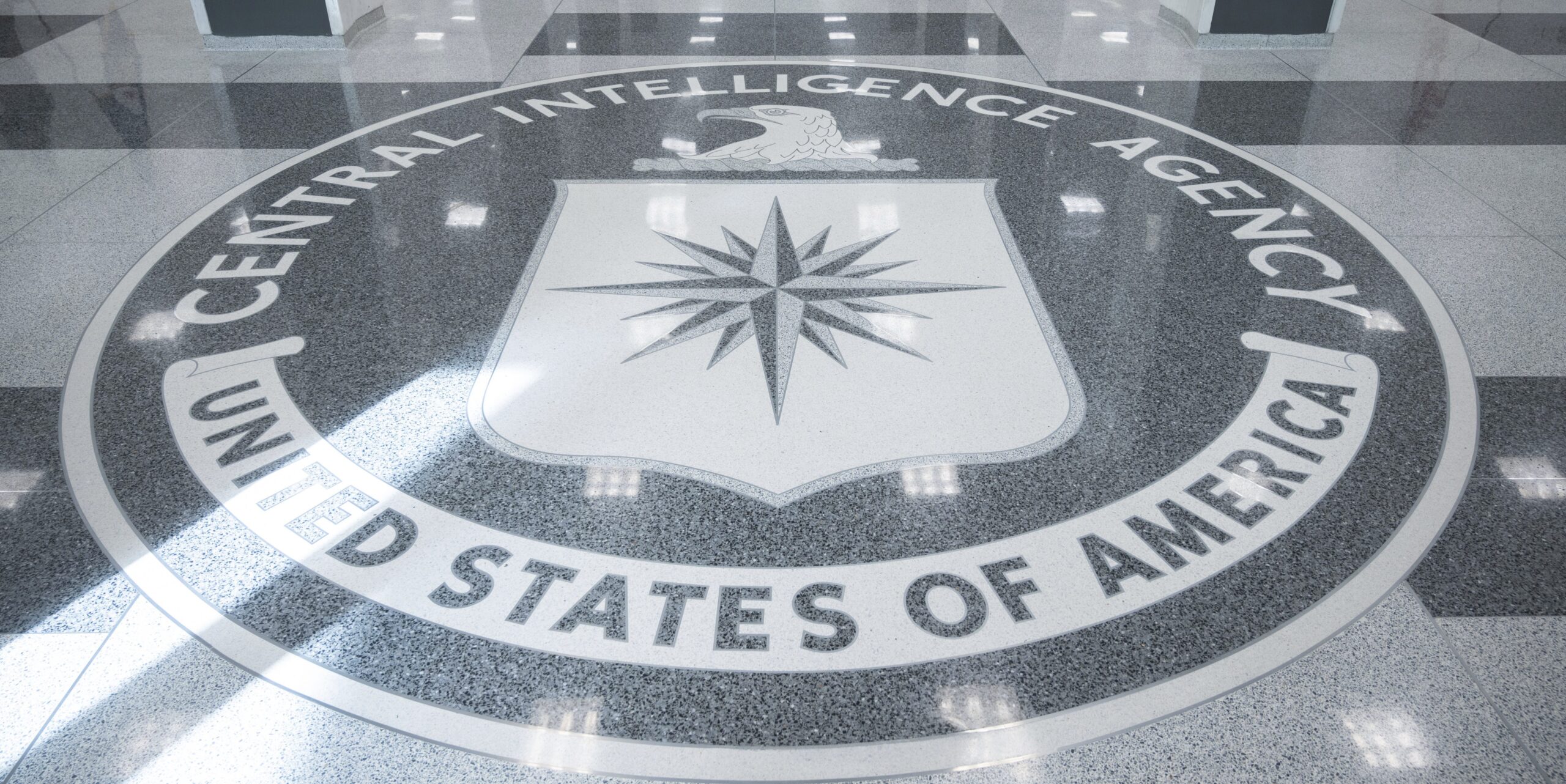
UPDATE: The CIA has executed the first known U.S. drone strike on Venezuelan soil, targeting a port facility linked to local gang Tren de Aragua, a government official revealed. This unprecedented action escalates the Trump administration’s aggressive stance against President Nicolás Maduro and his government.
According to the official, the drone strike occurred on December 24, 2025, and was part of a broader campaign against drug smuggling operations. Notably, no casualties were reported, as the dock was empty at the time of the attack.
In a series of statements leading up to the strike, President Donald Trump hinted at military actions during a Christmas Eve call to troops aboard the USS Gerald R. Ford. He claimed, “Now we’re going after the land,” referencing the strike on the Venezuelan facility where drug shipments are allegedly loaded.
“There was a major explosion in the dock area where they load the boats up with drugs,” Trump told reporters at his Mar-a-Lago residence, elaborating on the operation. “That is no longer around.”
This new military engagement by the CIA in Venezuela raises significant legal and ethical questions. Critics, including Sam Ratner, policy director at Win Without War, argue that the strike lacks legal justification and congressional approval. Ratner stated, “Days after it took place, the U.S. public is finally learning about a CIA airstrike on foreign soil for which there is no legal justification.”
The drone strike is part of a series of U.S. military actions against drug trafficking, which have reportedly resulted in over 107 civilian deaths in the Caribbean and Pacific since September. Legal experts have condemned these strikes as extrajudicial killings, emphasizing that the military cannot deliberately target civilians who do not pose an imminent threat.
While the CIA has a history of conducting drone strikes, this operation marks a significant escalation in U.S. military involvement in Latin America under the Trump administration, which has previously attempted to destabilize Maduro’s government through multiple means.
Trump has openly acknowledged his authorization of CIA operations in Venezuela, although he refrained from directly confirming the agency’s role in the recent strike. This ambiguity leaves many questions about the future of U.S. involvement in Venezuelan affairs.
As the situation develops, observers will be closely monitoring any further military actions and the potential ramifications both domestically and internationally. The Trump administration insists that such measures are necessary to combat the influence of gangs like Tren de Aragua, which they claim to be operating as a de facto arm of the Maduro regime.
The administration’s ongoing campaign against Maduro, including a doubled $50 million reward for information leading to his arrest, underscores the urgency and seriousness of U.S. efforts to alter Venezuela’s political landscape.
Experts warn that the implications of military intervention could lead to increased regional instability, echoing historical precedents of U.S. involvement in Latin America that often resulted in prolonged conflicts and humanitarian crises.
As this story unfolds, it remains crucial for the public and Congress to demand transparency and accountability regarding U.S. military actions abroad, especially in sensitive regions like Venezuela. Stay tuned for updates on this developing situation.