UPDATE: As President Donald Trump returns to office, Democrats are seizing the political moment by championing a new mantra: “affordability.” Representative Mikie Sherrill from New Jersey has ignited this movement, criticizing Trump’s executive orders for neglecting the pressing “affordability crisis.” This shift is not just a talking point; it is reshaping the political landscape ahead of the November elections.
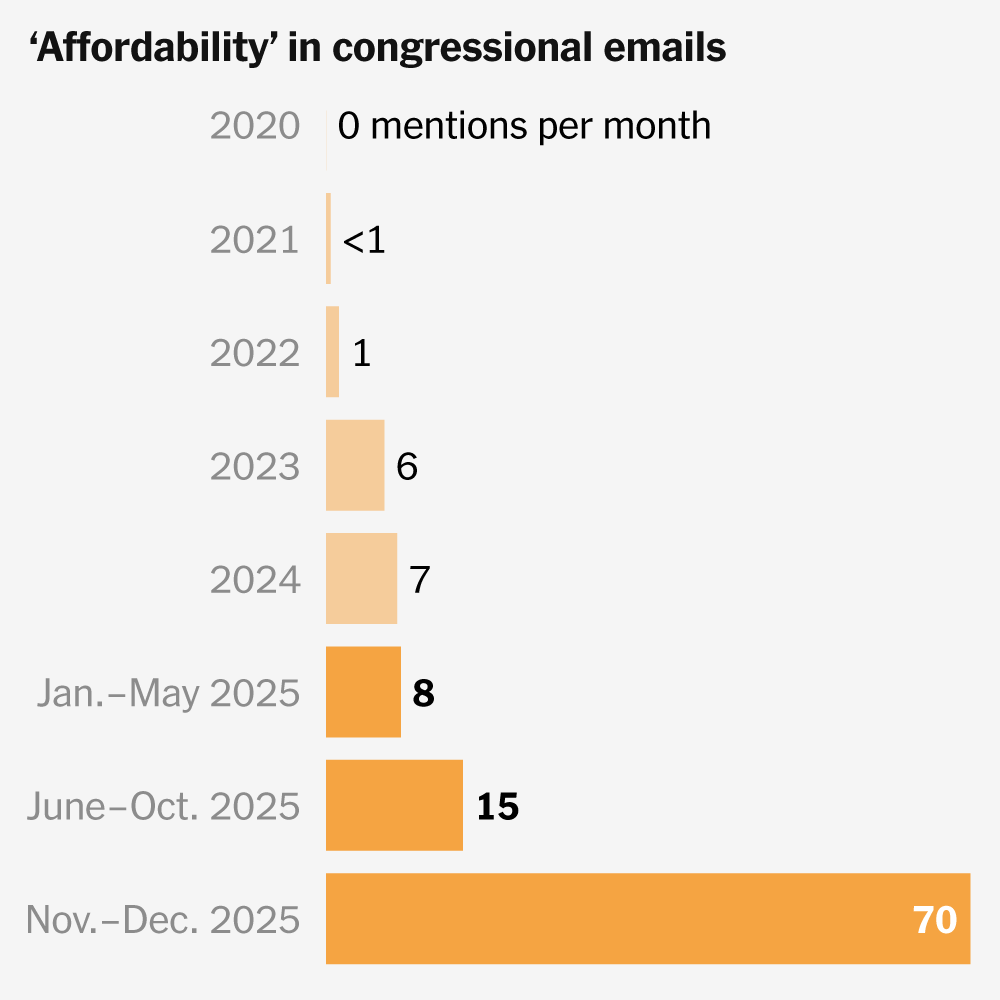
The word “affordability” has surged in political discourse, with Democrats using it to resonate with voters increasingly concerned about the soaring costs of living. In the wake of the recent elections, where affordability played a pivotal role, mentions of this term in congressional communications have skyrocketed. This month alone, references to “affordability” in emails from Congress have surged dramatically, highlighting its newfound significance.
As both parties gear up for the upcoming midterm elections in 2024, “affordability” has emerged as a critical issue, encapsulating concerns over housing, child care, groceries, health care, and utilities. Recent surveys underscore that economic issues rank as the top concern among Americans, with many feeling the financial strain and fearing they are falling behind.
“Affordability is not just a word; it’s a lifeline for voters,” said Sherrill, reflecting the urgency felt across the nation.
Monthly reports indicate that voters are increasingly engaging with candidates who prioritize economic stability and affordability. In fact, the shift in political strategy is evident as Democrats leverage this term to connect with everyday Americans facing financial challenges.
The Democratic Party is now in a unique position to capitalize on this momentum, having successfully integrated “affordability” into their campaign narratives. As the political climate evolves, expect this term to remain at the forefront of discussions leading into the midterms.
In a recent statement, Sherrill emphasized the importance of addressing affordability as a foundational element of her campaign for governor. “We have to ensure that every family can afford basic necessities,” she asserted, highlighting the emotional and human impact of this issue.
Looking ahead, political analysts predict that both parties will continue to navigate the complexities of affordability, making it a central theme in their platforms. The urgency of this matter resonates deeply with voters, making it imperative for candidates to address these concerns head-on.
As the political landscape continues to shift, keep an eye on how “affordability” influences voter sentiment and candidate strategies in the coming months. The stakes have never been higher, and the call for change is louder than ever.