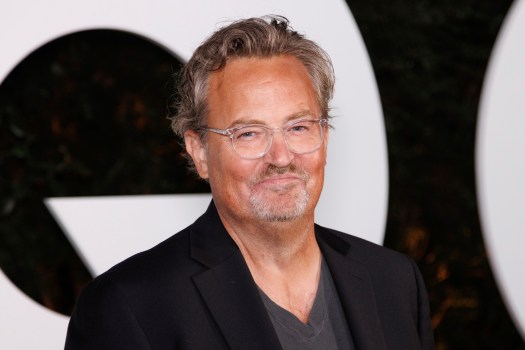
UPDATE: In a major development in the case surrounding the tragic death of “Friends” star Matthew Perry, Dr. Salvador Plasencia is set to be sentenced today in downtown Los Angeles for his role in the illegal distribution of ketamine, the anesthetic linked to Perry’s fatal overdose. Plasencia, 43, pleaded guilty in July to four federal counts and could face up to 40 years in prison, although a lesser sentence is anticipated.
The sentencing comes just days after Perry was found dead on October 28, 2023, in a hot tub at his Pacific Palisades home due to a ketamine overdose. His tragic passing has spotlighted the dangers of the burgeoning at-home ketamine industry and raised urgent questions about medical oversight.
According to federal prosecutors, Plasencia learned in late September 2023 that Perry, who had a documented history of addiction, was seeking ketamine. Prosecutors allege that Plasencia conspired with Dr. Mark Chavez to acquire the drug for Perry, even discussing pricing in text messages. Plasencia is accused of distributing ketamine to Perry and his assistant Kenneth Iwamasa on at least seven occasions without a legitimate medical purpose.
Plasencia’s plea agreement reveals he could face a fine of at least $2 million. His attorney, Karen Goldstein, stated that her client is “profoundly remorseful” and intends to surrender his medical license, acknowledging his failure to protect Perry, a patient with unique vulnerabilities due to addiction.
The fallout from Perry’s death has been significant, with five defendants charged in connection to the overdose. The lead defendant, Jasveen Sangha, known as the “Ketamine Queen,” is scheduled to be sentenced on February 25 and faces up to 65 years in federal prison.
Prosecutors revealed that Perry was paying $2,000 per vial for ketamine, while it was reportedly available for as little as $12 through illicit channels. The indictment highlights the alarming ease with which ketamine was obtained and distributed, prompting calls for stricter regulations in the medical community.
The emotional impact of this case resonates deeply. Perry openly discussed his struggles with addiction in his memoir, “Friends, Lovers, and the Big Terrible Thing,” and his untimely death has sparked a national conversation about drug abuse, medical ethics, and the responsibilities of healthcare professionals.
As Plasencia’s sentencing unfolds today, the implications for the ketamine distribution landscape and medical practices surrounding addiction treatment are expected to be significant. Authorities are urging other medical professionals to take heed of this cautionary tale to prevent further tragedies.
Stay tuned for more updates as this story develops.