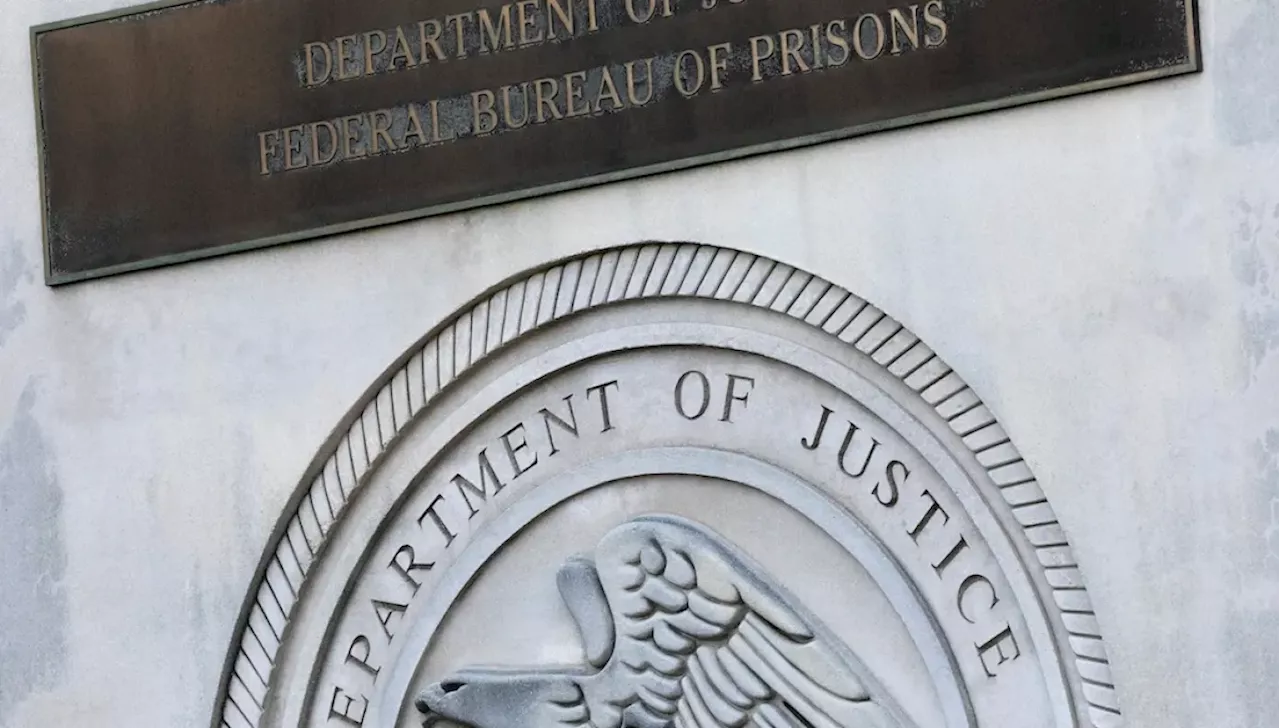
UPDATE: The U.S. Department of Justice has just announced a groundbreaking policy projected to save taxpayers over $1.65 million in federal funds previously allocated for transgender medical procedures for inmates. This new directive, issued on February 19, 2023, will cease the funding of gender-affirming surgeries and related treatments for federal prisoners.
This policy shift comes in response to concerns regarding the safety and appropriateness of such procedures within federal facilities. The Federal Bureau of Prisons (BOP) previously spent significant taxpayer dollars on surgeries and hormone therapies, costing approximately $1.25 million on hormone-replacement treatment alone. The DOJ now expects a saving of nearly $2 million by discontinuing these practices.
A DOJ official stated,
“The new policy will result in almost $2 million not being spent on otherwise harmful treatment that also results in safety concerns at BOP facilities.”
Under this revised policy, inmates will no longer receive taxpayer-funded hormones or surgical procedures aimed at transitioning. Instead, BOP will focus on providing mental health support through antidepressants and psychotherapy for inmates diagnosed with gender dysphoria. Inmates currently receiving hormone therapy may be placed on a tapering plan to gradually reduce their dosage.
Additionally, the DOJ’s new regulations eliminate funding for non-medical accommodations such as breast padding, chest binders, and makeup, previously provided as part of inmates’ social transitioning process. For those already using these items, prison staff will confiscate them immediately.
This policy marks a significant departure from practices reinstated under the Biden administration, which aimed to enhance support for transgender individuals in federal custody. The earlier guidelines allowed for comprehensive medical care, including surgeries, which were criticized by some for their potential risks and implications for safety within prison environments.
California state Senator Scott Wiener has condemned the new policy, claiming it is part of a broader agenda against the transgender community. In contrast, DOJ officials assert that the approach prioritizes individualized assessments to ensure the best treatment for each inmate’s mental health needs.
The decision to cut back on taxpayer-funded gender-affirming care is poised to stir debate across the nation. With ongoing discussions about the treatment of transgender individuals in the justice system, this policy could set a precedent for similar reforms in other states and federal institutions.
As this story develops, many are watching closely for reactions from advocacy groups and political leaders. These changes are expected to reshape the landscape of healthcare access for transgender individuals in federal custody, raising questions about the balance between fiscal responsibility and the rights of inmates.
Stay tuned for further updates on this significant policy change and its implications for the future of transgender healthcare in federal prisons.