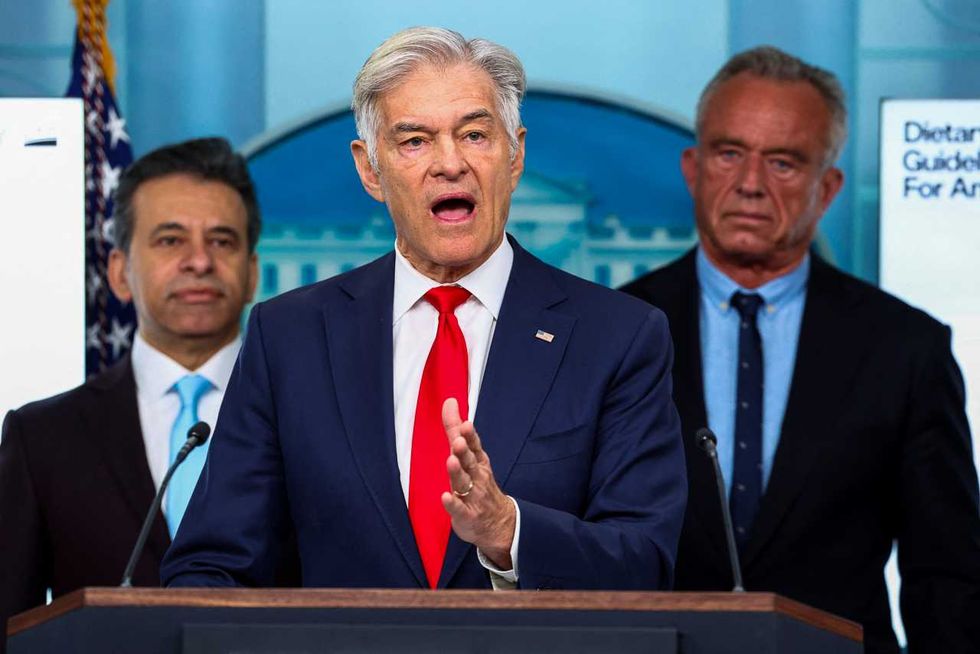
BREAKING: Dr. Mehmet Oz ignites a firestorm of controversy with his recent remarks regarding rural health care, claiming that AI avatars could replace doctors in underserved communities. The comments were made during an event for the Action for Progress initiative on mental health and addiction alongside Health and Human Services Secretary Robert F. Kennedy Jr.
This urgent discussion arises at a critical time when the Trump administration’s Centers for Medicare & Medicaid Services has enacted policies drastically reducing funding for rural hospitals, many of which are already grappling with severe understaffing. “There’s no question about it, whether you want it or not… the best way to help some of these communities is gonna be AI-based avatars,” Oz stated, prompting immediate backlash from health care advocates and the public alike.
Reactions on social media have been swift and fierce. Writer Aaron Apollo Camp took to Bluesky, declaring, “Dr. Oz is absolutely evil. He’s openly targeted the Armenian-American community, and he’s also trying to shove AI medical quackery down our throats.” Another user, Justin Gero, criticized Oz’s proposal, saying, “We could create more primary care providers in an instant by letting nurse practitioners fully practice in every state, but these grifters would rather spend your money on chatbot docs.”
The outrage echoes sentiments expressed in the past, reminiscent of controversial remarks made by former education secretary Betsy DeVos about educational access for rural students. Former Congressional candidate Josh Cowen compared Oz’s comments to DeVos’s past statements, emphasizing the disconnect between policymakers and the realities faced by rural communities.
As the conversation continues to unfold online, the implications of Oz’s comments on rural health care access remain a hot topic, raising questions about the future of medical care in these areas. The backlash highlights a growing concern among health professionals and community members about reliance on technology over human interaction in health care.
The urgency of this matter cannot be understated. With rural hospitals struggling for survival and the announcement of funding cuts, the potential adoption of AI in health care raises significant ethical and practical questions. What happens next in this debate may shape the future of health care delivery in rural America.
Stay tuned for updates as this story develops and further reactions emerge from health care experts and community leaders.