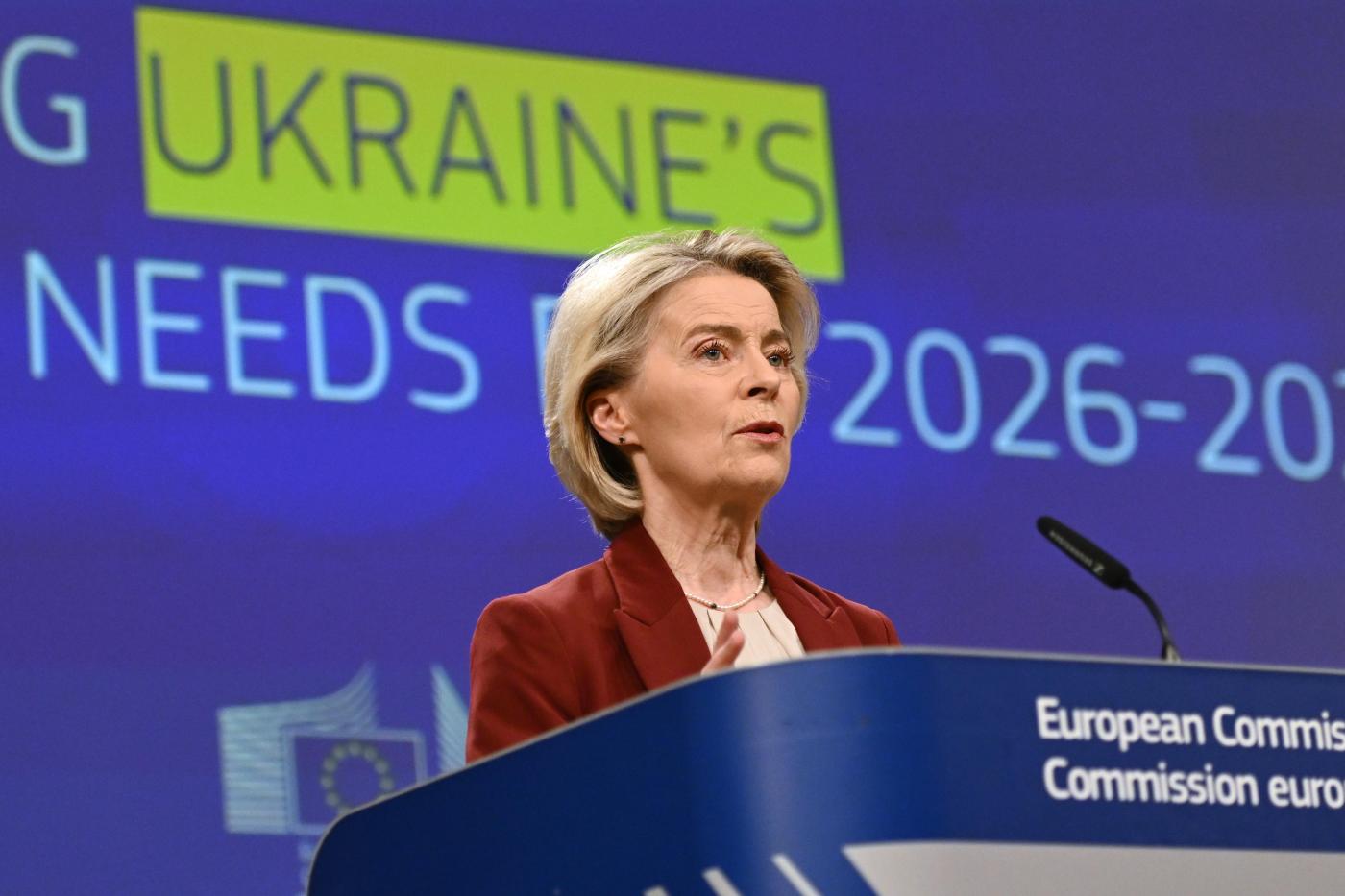
UPDATE: The European Union has just announced an **indefinite freeze** on **Russian assets** across Europe to prevent Hungary and Slovakia from vetoing their use in supporting Ukraine. This urgent measure, confirmed today, aims to ensure that the significant **€210 billion ($247 billion)** in assets can be utilized to aid Ukraine amidst its ongoing conflict with Russia.
The decision comes as EU leaders prepare for a critical summit next week to discuss how to deploy these frozen assets to meet Ukraine’s pressing financial and military needs over the next two years. EU Council President **António Costa** emphasized the commitment made in October, stating, “Today we delivered on that commitment.”
This unprecedented move blocks the assets until **Russia** ceases its war against Ukraine and compensates for the extensive damages inflicted over nearly four years of conflict. The freeze is particularly significant as it prevents Hungary and Slovakia—both known for their pro-Moscow stances—from obstructing the EU’s plans to support Ukraine financially.
The assets are primarily held in **Euroclear**, a major Belgian financial institution, and are currently frozen under sanctions imposed by the EU following Russia’s invasion of Ukraine on **February 24, 2022**. These sanctions require renewal every six months and necessitate approval from all **27 EU member states**. With Hungary and Slovakia opposing additional support for Ukraine, the freeze serves as a strategic maneuver to secure the assets for humanitarian and military assistance.
Hungarian Prime Minister **Viktor Orbán** criticized the EU’s actions, claiming that the European Commission is “systematically raping European law.” He expressed his intent to challenge this decision, stating, “It means that the rule of law in the European Union comes to an end.” Meanwhile, Slovak Prime Minister **Robert Fico** warned that utilizing these funds for military expenses could jeopardize U.S. peace efforts regarding Ukraine.
The European Commission argues that the ongoing war has severely impacted energy prices and economic growth within the EU, necessitating immediate action to support Ukraine. So far, the EU has allocated nearly **€200 billion ($235 billion)** in aid to Ukraine.
Russia’s Central Bank has reacted strongly, filing a lawsuit against Euroclear for damages related to the asset freeze. They labeled the EU’s plans to utilize Russian assets for Ukraine as “illegal” and in violation of international law.
Looking ahead, the upcoming EU summit on **December 18, 2025**, will be pivotal in determining how these funds will be deployed to help Ukraine navigate its financial challenges in the coming years. As tensions escalate, the implications of this decision resonate beyond Europe, impacting global dynamics surrounding the ongoing conflict.
Stay tuned for further updates on this developing story, as the situation continues to evolve rapidly.