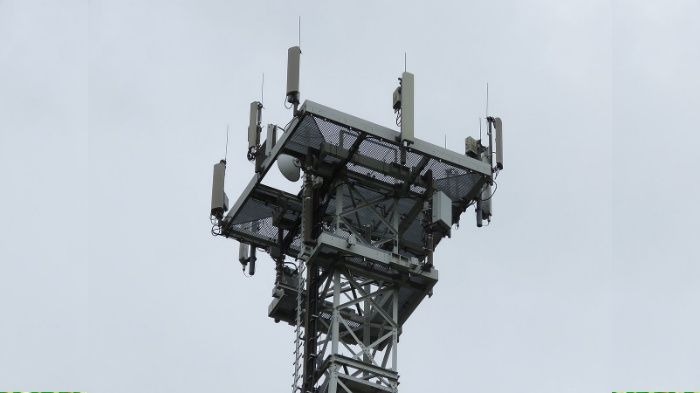
UPDATE: The European Commission is taking decisive action to eliminate Huawei and ZTE telecom networks from member countries, setting the stage for a major shift in the EU’s approach to cybersecurity. Vice President Henna Virkkunen has just announced a proposal to make the 2020 5G cybersecurity toolbox recommendations legally binding, potentially extending to fixed-line broadband and fibre networks.
This development comes as multiple EU countries, including Sweden and the UK, have already enacted bans on Huawei and ZTE equipment. Germany is set to remove these companies from its 5G core networks by 2026, underscoring the urgency of the situation. The push to eliminate Chinese telecom equipment stems from growing concerns about national security and potential espionage risks.
The EU’s move marks a significant escalation in a long-running battle over network security. The UK has framed its removal of Huawei’s technology as essential for maintaining supply chain integrity, citing that the security of the company’s products can no longer be guaranteed due to the impact of US sanctions. In October 2022, the UK enforced an immediate ban on new Huawei 5G installations, mandating the removal of existing equipment by 2027.
While some nations have embraced this strategy, others remain hesitant. Italy continues to review its agreements with Chinese firms on a case-by-case basis, while Spain and Italy still allow Huawei to operate within their networks. Notably, Slovenia rejected a bill that would have excluded high-risk vendors, highlighting the divide within the EU.
The urgency for these changes is palpable. Policymakers are increasingly concerned about the competitive edge held by Chinese firms like Huawei and ZTE, which benefit from state funding that enables them to undercut traditional Western rivals like Nokia and Ericsson. These concerns are compounded by ongoing geopolitical tensions that put the security of European economies at risk.
The EU’s 5G Cybersecurity Toolbox was established in 2020 as a framework for enhancing network security, recommending measures such as installation bans and supplier diversification. However, the recent resurgence of discussions on this topic reflects a clear divide in national strategies, indicating a lack of unified European collaboration.
As the EU prepares to solidify its stance against Huawei and ZTE, the implications for international trade and technology supply chains are significant. The situation is fluid, and stakeholders are urged to stay informed as developments unfold.
Stay tuned for further updates on this urgent matter, and ensure you follow us for the latest news and insights.