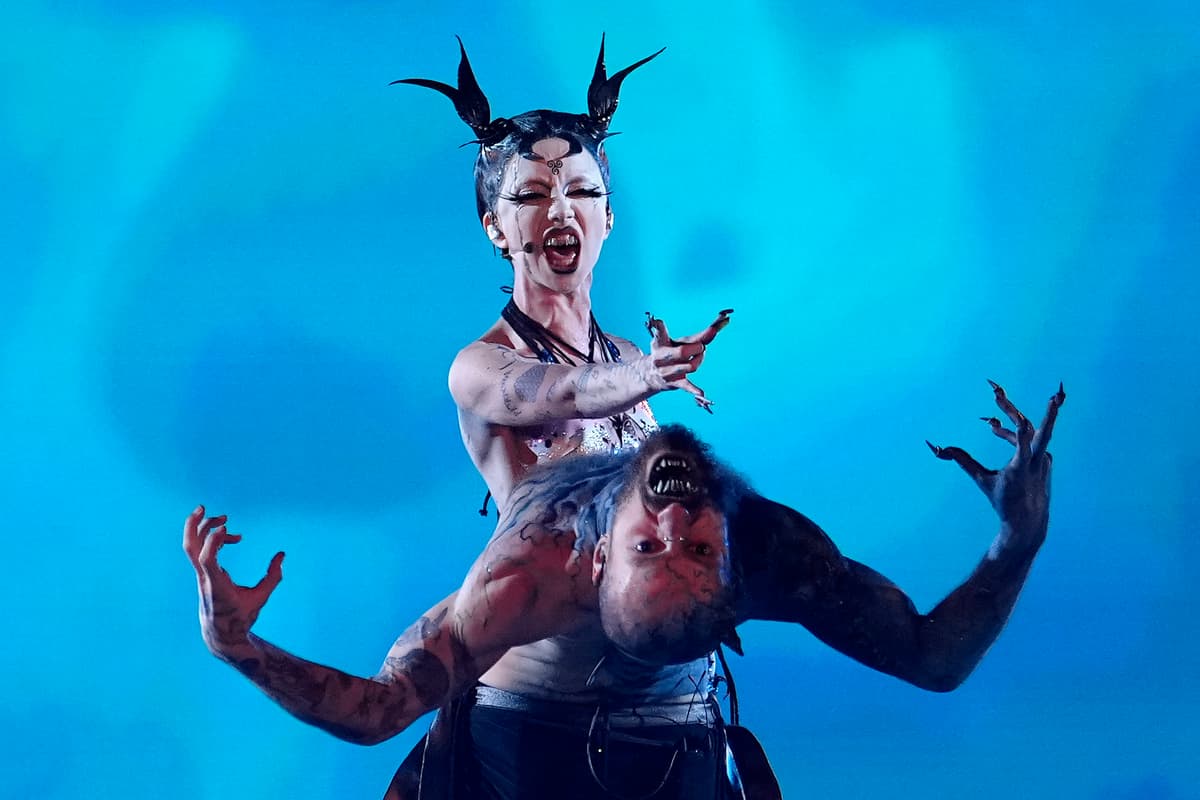
UPDATE: Four European Union countries—Spain, Ireland, Netherlands, and Slovenia—have announced an immediate boycott of the 2026 Eurovision Song Contest in response to the European Broadcasting Union’s (EBU) controversial decision to allow Israel to compete. This decision, made during a heated meeting in Vienna on October 26, 2023, has escalated tensions among member nations.
The EBU confirmed that a “large majority of members” supported the reforms established last month, deciding against a direct vote on Israel’s participation. The organization stated, “This vote means that all EBU members who wish to participate in the Eurovision Song Contest 2026 and agree to comply with the new rules are eligible to take part.” However, the backlash was swift, with multiple countries threatening to withdraw unless Israel was excluded.
During the assembly, broadcasters from Germany and Ukraine backed Israel’s inclusion, while those from Spain, Belgium, Slovenia, and Turkey advocated for its removal. Only 11 countries supported a direct vote on Israel’s eligibility, highlighting a significant divide among members. The updated voting rules aim to reduce government influence on public votes, a response to allegations of interference by the Israeli government during last year’s contest.
The intensifying calls for Israel’s exclusion come in the wake of the Hamas attack on October 7 and the ongoing conflict in Gaza. Despite these pressures, Eurovision organizers have maintained that the competition must remain apolitical. The EBU convened the emergency meeting after threats of boycotts surged, acknowledging the “unprecedented diversity of views” that made a unified stance impossible.
In a letter to its members, the EBU stated that the situation warranted a broader democratic process, allowing all members a voice on this contentious issue. The last instance of a country being blocked from participation was in 2022, when Russia was expelled following its invasion of Ukraine. Advocates for the boycott argue that Eurovision should impose similar sanctions against Israel, yet the EBU insists the circumstances differ significantly.
The EBU clarified, “The relationship between KAN and the Israeli Government is fundamentally different to the relationship that exists between those Russian Members and the State.” It emphasized that KAN, Israel’s broadcaster, operates independently and faces threats from its own government.
As this situation develops, the implications of the boycott are profound, not only for the Eurovision Song Contest but also for international relations within the context of entertainment. The immediate impact on cultural events and public sentiment could resonate widely, making this a pivotal moment in Eurovision’s history.
LOOKING AHEAD: The EBU’s next steps will be crucial in addressing the backlash and maintaining the integrity of the competition. The division among member nations raises questions about future participation and the potential for further boycotts. As tensions rise, the world watches closely to see how this will unfold in the coming months.