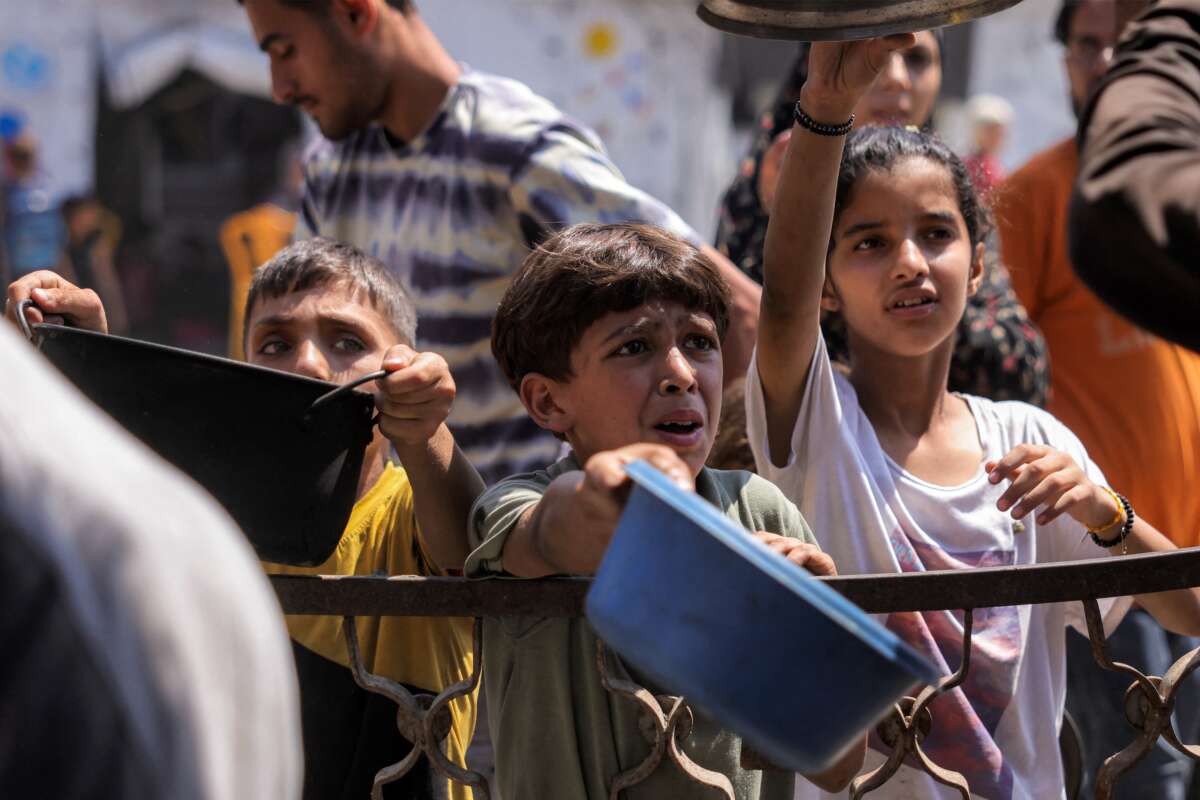
UPDATE: The humanitarian crisis in Gaza has reached alarming levels, with over 39,000 children orphaned as a result of the ongoing conflict. Reports confirm that many of these children are now resorting to begging to survive, highlighting the dire reality faced by families torn apart by violence.
As economic collapse grips the region, more than 80 percent of the workforce has lost their livelihoods, pushing children onto the streets in search of basic needs. This distressing trend is a direct result of the war’s devastation, forcing young ones like 11-year-old Ahmed and 8-year-old Noor to take on adult responsibilities far too soon.
In Al-Maghazi refugee camp, Ahmed stands barefoot in the rain, pleading for change from passersby. He lost his father in July while attempting to collect humanitarian aid. “I need three shekels to buy a loaf of bread,” he says, his eyes reflecting the heavy burden he carries as the sole provider for his family. The innocence of childhood has been stripped from him, replaced by the harsh reality of survival.
Noor, who lost her parents in an Israeli airstrike, now lives with her uncle in a cramped tent. Her clothes are tattered, and she often goes without a jacket in the cold. Despite her young age, she is forced to help support the family by selling water bottles. “Any money she earns is saved to help the family,” her uncle explains, revealing the desperate measures families are taking to survive. “We live on aid, but it’s never enough.”
The situation is exacerbated by the destruction of educational infrastructure. Before the war, Gaza boasted around 625,000 students, but many schools have been damaged or repurposed as shelters, leaving countless children without access to education. Ahmed and Noor are just two examples of children who should be in school but are instead on the streets, their futures hanging in the balance.
Witnesses in the camps describe a heartbreaking scene: children, some barely able to walk, are seen waiting for help, their childhoods replaced by the daily struggle for survival. “Many of these children don’t know what it means to play or study,” says Samia, a camp resident. “Their lives are focused solely on survival.”
The international community has been alerted to the crisis in Gaza, yet decisive action remains absent. Human rights organizations stress the urgent need for intervention to protect children’s rights, as outlined in the UN Convention on the Rights of the Child. Immediate assistance is crucial to alleviate the daily risks faced by these vulnerable children.
As the number of children forced into begging continues to rise, their chances for a secure future diminish. The long-term psychological and educational impacts of this crisis will resonate for generations. The urgent need for global action is clear: without intervention, Gaza’s children risk losing not only their childhoods but their futures as well.
This situation demands immediate attention and response from the international community to ensure that the basic rights of these children are upheld. The time to act is now.