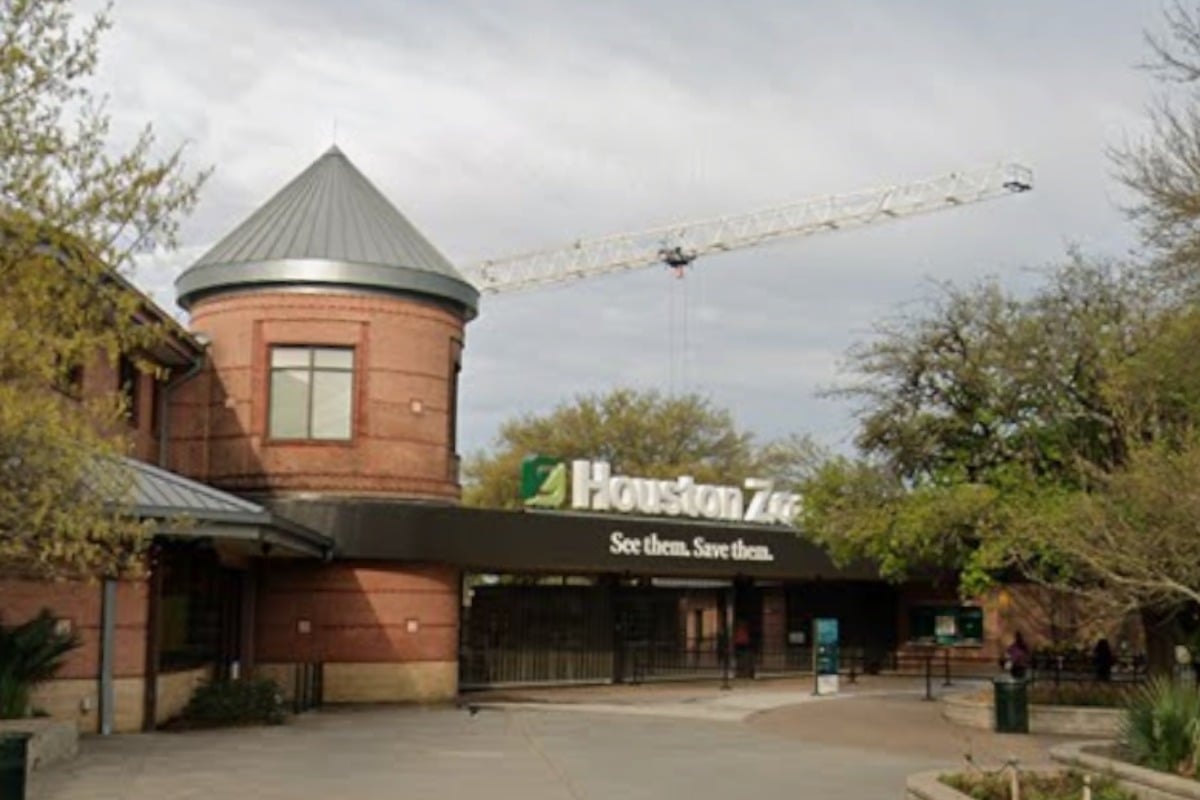
URGENT UPDATE: Houston has made a groundbreaking advancement in elephant conservation with a new mRNA vaccine that protects baby elephants from a deadly herpesvirus. Researchers from the Houston Zoo and Baylor College of Medicine announced the vaccine’s success today, marking a critical milestone for the future of endangered Asian elephants.
In June 2024, the vaccine was first administered at the Houston Zoo, and early reports indicate it effectively combats the elephant endotheliotropic herpesvirus (EEHV), a leading cause of death among juvenile Asian elephants. Notably, the Cincinnati Zoo confirmed that two vaccinated calves, Sanjay and Kabir, who previously tested positive for EEHV, are now testing negative for the virus.
Zoo staff highlighted that these calves developed strong antibody responses, enabling them to clear low-level infections without severe complications. This breakthrough offers hope, as EEHV has a high fatality rate in symptomatic cases, threatening the survival of these majestic animals.
The vaccine was born out of a dedicated partnership between the Houston Zoo and Dr. Paul Ling, a virologist at Baylor College of Medicine, initiated after the tragic loss of a young elephant calf named Mac to EEHV. The first field dose was administered to Tess, a 40-year-old Asian elephant, on June 18, 2024. Her health and antibody levels have been meticulously monitored since.
Other accredited institutions are now joining the effort, with the Fort Worth Zoo vaccinating its calf, Brazos, and the Syracuse’s Rosamond Gifford Zoo vaccinating rare twin calves. These collaborative efforts are crucial as researchers gather blood samples to track immune responses across different herds.
The implications of this vaccine are immense. The Association of Zoos and Aquariums and various conservation groups stress that an effective vaccine could significantly decrease mortality rates and reshape conservation strategies for endangered herds. While researchers acknowledge that the program is in its early stages, the initial outcomes are encouraging for both animals in human care and those in the wild.
As teams expand monitoring and include more animals in the trials, the ongoing research spearheaded by Houston could become a global tool against EEHV, which has posed a longstanding threat to the future of Asian elephants. Funders, including Colossal Biosciences, are optimistic about the promising results, which could lead to a more secure future for these vulnerable species.
Stay tuned for further updates as this story develops. The impact of Houston’s vaccine could genuinely transform elephant conservation efforts worldwide.