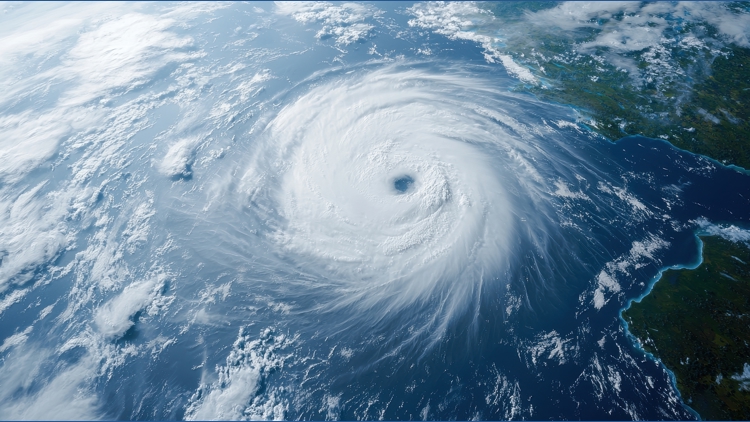
UPDATE: New insights reveal that hurricanes, while often seen as destructive forces, play a crucial role in maintaining Earth’s climate stability. This urgent discovery underscores the dual nature of these storms amid ongoing climate concerns.
CLEVELAND — As hurricanes continue to form across the Atlantic, experts emphasize their significant role in balancing the planet’s climate. Today, meteorologist Mark Johnson from WKYC in Cleveland highlights how these storms help redistribute heat, crucial for maintaining global weather patterns.
Hurricanes are not just catastrophic events; they are vital components of Earth’s energy transport system. When storms form, they pull excess heat from warm ocean waters and transport it towards the colder poles. This process prevents extreme climate imbalances that could lead to intensified droughts, floods, and heat waves worldwide.
In the tropics, where temperatures can soar, hurricanes act as nature’s air conditioning system. When a hurricane forms, warm water evaporates, lifting moisture into the atmosphere. As this air cools and condenses, it releases vast amounts of heat. This heat is carried away by global wind currents, balancing temperatures across the planet.
The implications of this are staggering. Without hurricanes, the tropics could overheat, and polar regions would become increasingly frigid. Such imbalances would threaten ecosystems and lead to catastrophic climate extremes. As hurricanes develop, they serve a critical function that goes beyond immediate destruction.
Hurricanes also provide essential ecological benefits that are often overlooked. For instance, the heavy rainfall associated with these storms can replenish rivers, lakes, and groundwater aquifers in drought-stricken areas. This replenishment can sustain crops and wildlife for extended periods, supporting entire ecosystems.
Moreover, hurricanes reshape coastlines, moving sand and rebuilding barrier islands. This natural reshaping improves water quality and nutrient balance for marine life, fostering healthier ecosystems. The debris left behind can create open spaces in forests, allowing new plant growth and promoting biodiversity.
As these storms stir the ocean waters, they mix oxygen and nutrients into the surface layer, resulting in bursts of marine activity that benefit fish and coral ecosystems. This vital interaction underscores the interconnectedness of Earth’s systems and how hurricanes can foster regeneration despite their destructive nature.
While the immediate human cost of hurricanes can be tragic, with communities left devastated, nature often rebounds stronger after the storm passes. The urgent need for improved forecasting and infrastructure is paramount, but it is equally important to recognize the role hurricanes play in maintaining climate balance.
The bottom line: Hurricanes are double-edged swords. They can wreak havoc, but they are essential for preventing long-term climatic catastrophes. Their violent winds and torrential rains may bring chaos, yet they are necessary for keeping Earth’s heat and energy system in harmony.
As we witness the ongoing impact of hurricanes, let us not forget their vital role in the grand scheme of our planet’s climate. The conversation around these storms must evolve to appreciate their importance in maintaining ecological balance.
For the latest updates on hurricane forecasts and climate developments, check your local trusted weather team.