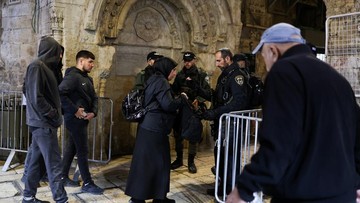
Israeli authorities have announced a significant restriction on the number of Palestinian worshippers allowed to attend prayers at the Al Aqsa Mosque during the holy month of Ramadan. The cap is set at 10,000 individuals, a move that has sparked concerns about access to one of Islam’s holiest sites.
This decision comes as Ramadan approaches, with the first day set to begin on March 10, 2024. The limitations are particularly controversial given the mosque’s central role in the religious and cultural life of Palestinians. The Palestinian Authority has expressed strong opposition to the restrictions, arguing that they infringe upon the rights of Muslims to worship freely.
Implications of the Restrictions
The restrictions at Al Aqsa Mosque, located in Jerusalem, are not unprecedented. Similar limitations were imposed during past Ramadans, often leading to heightened tensions in the region. Officials from Israel justify these measures by citing security concerns, asserting that they are necessary to maintain order during a period of increased religious activity.
Critics, however, argue that these policies disproportionately affect Palestinian Muslims. The mosque typically attracts large crowds during Ramadan, particularly on Fridays and during special evening prayers known as Tarawih. The capped attendance could lead to significant frustration among worshippers, many of whom travel long distances to attend prayers.
International Reactions
The announcement has drawn reactions from various international bodies and human rights organizations. Many observers are calling for Israel to reconsider its stance and allowing unfettered access to religious sites. The United Nations and various human rights advocates emphasize the importance of protecting religious freedoms, especially during significant periods like Ramadan.
As the situation develops, it remains crucial for both local and international communities to monitor the implications of these restrictions. The upcoming weeks will likely see increased dialogue surrounding the rights of worshippers and the broader context of Israeli-Palestinian relations during this significant religious observance.