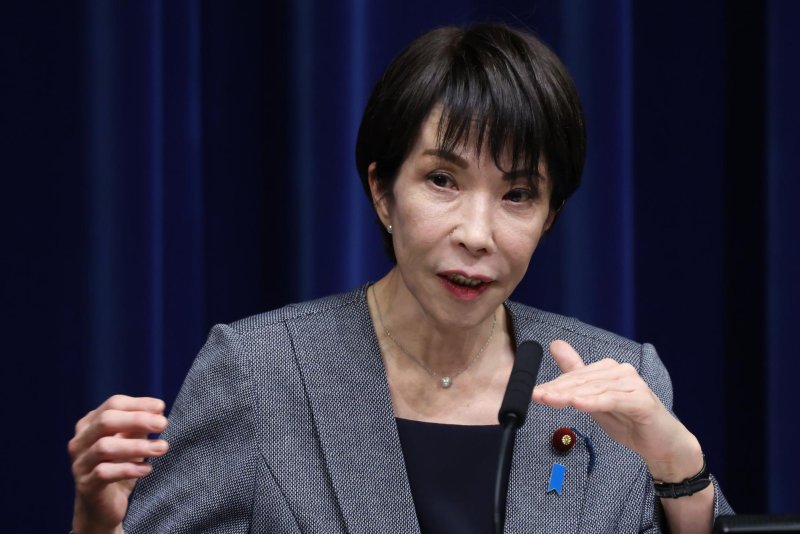
UPDATE: Japanese Prime Minister Sanae Takaichi is actively considering a snap dissolution of the House of Representatives, potentially paving the way for a general election as early as February 8. This development comes just days before the regular Diet session convenes on January 12, igniting fierce backlash from opposition parties and even factions within her ruling coalition.
Reports indicate that Takaichi’s decision to dissolve the lower house could disrupt critical discussions on the 2026 fiscal year budget, which must be approved before the session concludes on March 31. Officials have expressed concerns that moving forward with an election would delay essential economic deliberations amid ongoing inflation issues.
While Takaichi remained silent on the dissolution rumors during a recent social media post about Iran, her advisers are reportedly advocating for an early election. They argue that the ruling Liberal Democratic Party (LDP) could leverage its current high cabinet approval ratings to secure a decisive majority. Notably, prominent figures within the party, including Deputy President Taro Aso, have shifted from caution to support for the early election move.
If the lower house is dissolved on January 12, two potential election schedules have emerged: either a campaign launch on January 27 with voting on February 8, or a launch on February 3 leading to voting on February 15. However, both scenarios risk pushing budget discussions into March, which could lead to significant delays in fiscal approvals.
Opposition leaders, like Yuichiro Tamaki of the Democratic Party for the People, have voiced strong opposition to the plan. Tamaki warned that his party might withhold support unless previously agreed-upon income tax thresholds are honored. Meanwhile, Komeito leader Tetsuo Saito criticized the potential election as likely creating a political vacuum during a challenging economic period.
As political tensions escalate, leaders from various opposition parties are preparing for the possibility of an election, emphasizing that the government must prioritize urgent economic measures over political maneuvering. Adding to the urgency, Japan’s Ministry of Internal Affairs and Communications has already instructed local election commissions to begin preparations for a possible election.
With the political landscape shifting rapidly, all eyes will be on Takaichi’s next moves, especially as she is scheduled to meet with South Korean President Lee Jae-myung on January 16 and host Italian Prime Minister Giorgia Meloni later this week. The timing of any announcement regarding the dissolution of the lower house is critical, and it may come shortly after Meloni’s visit to avoid diplomatic faux pas.
Stay tuned for further updates as the situation develops and political reactions unfold. The implications of this potential election could reshape Japan’s political landscape and impact the economic policies that affect millions of citizens.