Klarna, the Swedish fintech company, is set to undergo significant workforce reductions, with CEO Sebastian Siemiatkowski projecting a decrease to fewer than 2,000 employees by 2030. Currently, the company employs approximately 3,000 individuals, a notable drop from the 7,000 staff members it had in 2022. This change is attributed to a combination of layoffs and “natural attrition,” which occurs when employees leave and their positions are not filled.
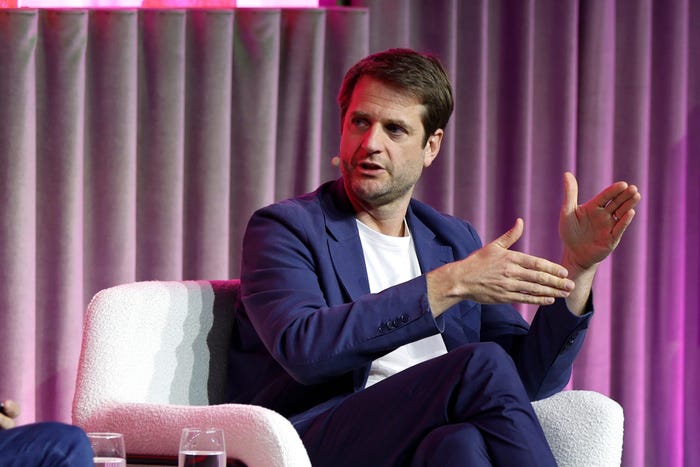
In a recent interview on the “20 VC” podcast hosted by Harry Stebbings, Siemiatkowski discussed the extensive impact of artificial intelligence (AI) on the company’s operations. He noted that the firm had already reduced its workforce by about 50% over the last four years, primarily through a deliberate hiring slowdown alongside the integration of AI technologies.
Siemiatkowski explained, “Occasionally, we hire somebody here and there, but if you go to LinkedIn and look at the insights, you’re going to see how the company is shrinking.” The CEO highlighted the rapid advancements in AI technology, indicating that Klarna plans to incorporate these innovations without increasing its headcount.
The discussion surrounding AI’s potential to displace jobs is intensifying within the tech industry. While some leaders like Elon Musk, CEO of Tesla and xAI, advocate for the positive potential of AI to create abundance, others express concern about its societal implications. Dario Amodei, CEO of Anthropic, has warned that AI could pose “a serious civilizational challenge” and could potentially eliminate up to 50% of white-collar entry-level jobs.
Siemiatkowski aligns with this cautious perspective, stating, “I’m more in Dario’s camp,” and emphasizing the need to acknowledge the substantial shifts expected in the job market. He conveyed realism about the short-term future, anticipating considerable turmoil as AI continues to evolve.
Despite the looming reductions, Siemiatkowski assured that positions requiring “human connection,” particularly those involving relationships with retailers, would remain unaffected. “It’s going to be vital to offer a human connection there. So those jobs will remain, but for the rest, it’s going to be definitely smaller,” he remarked.
The trend of companies reducing their workforce in light of AI advancements is not isolated to Klarna. Major corporations such as IBM, HP, and Salesforce have also indicated plans to cut jobs due to the increasing capabilities of AI technologies.
As Klarna navigates these changes, the company’s focus will remain on integrating AI in ways that enhance efficiency while preserving essential human roles. The future of Klarna, along with the broader tech landscape, is poised for significant transformation as AI continues to reshape traditional employment structures in the coming years.