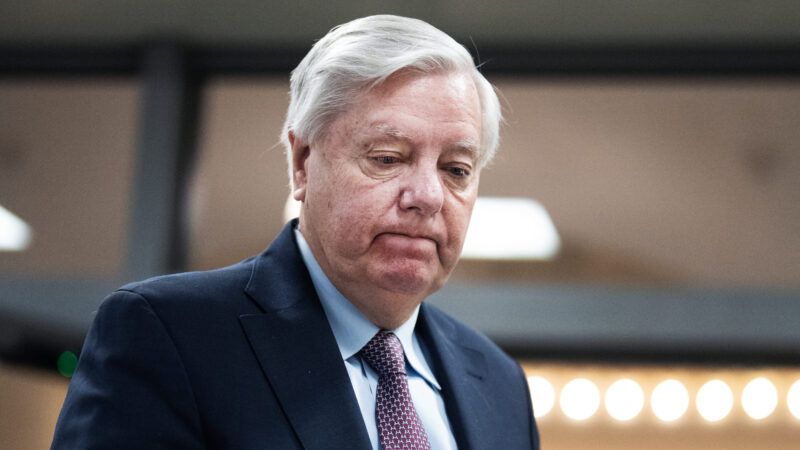
UPDATE: Senator Lindsey Graham (R–S.C.) is voicing intense outrage over the federal government’s secret surveillance of his phone calls, an issue that has surfaced amid the ongoing investigation into President Donald Trump’s involvement in the January 6 Capitol riot. The senator’s fury comes after reports confirmed that his phone records were obtained by federal prosecutors without his prior knowledge.
This developing situation has escalated as Graham publicly condemned the FBI for what he perceives as a blatant violation of his civil liberties. He has drafted a letter demanding the suspension and impeachment of federal Judge James Boasberg, who approved the subpoena for Graham’s phone records as part of Special Counsel Jack Smith’s investigation, dubbed “Arctic Frost.” In a heated interview on Fox News, Graham threatened to sue for “tens of millions of dollars” over this intrusive surveillance.
This explosive controversy began last month when FBI Director Kash Patel revealed that records from eight Republican senators, including Graham, were subpoenaed between January 4-7, 2021. The subpoenas included gag orders that barred telecom companies from notifying the senators, raising concerns over transparency and accountability in federal surveillance practices.
Graham expressed his frustration directly: “They spied on my phone records as a senator and a private citizen. I’m sick of it.” His emotional response highlights a significant pivot for a politician who has been instrumental in expanding federal surveillance powers. Critics point out that Graham’s outrage may be misplaced, given his history of supporting legislation like the Patriot Act in 2001 and the codification of surveillance powers under Section 702 in 2008.
While Graham’s newfound alignment with civil liberties advocates is welcomed, many are questioning why he is only raising alarm now that he is personally affected. Throughout his career, he has consistently backed measures that expand government surveillance capabilities, including attempts to make Section 702 permanent, which would have limited Congress’s ability to review or reform these practices.
As the public grapples with implications of this scandal, Graham’s situation shines a light on the broader debate surrounding privacy rights in America. The revelations raise critical questions about who the government surveils and under what circumstances.
Going forward, all eyes will be on Graham as he navigates this unexpected challenge. Will his outrage lead to tangible reforms in federal surveillance laws, or will it remain a personal crusade? As the fallout from this incident unfolds, the implications for privacy rights and government accountability continue to resonate.
This developing story is sure to attract attention as it unfolds, and it reflects the urgent need for transparency in federal surveillance practices. Stay tuned for further updates on this critical issue.