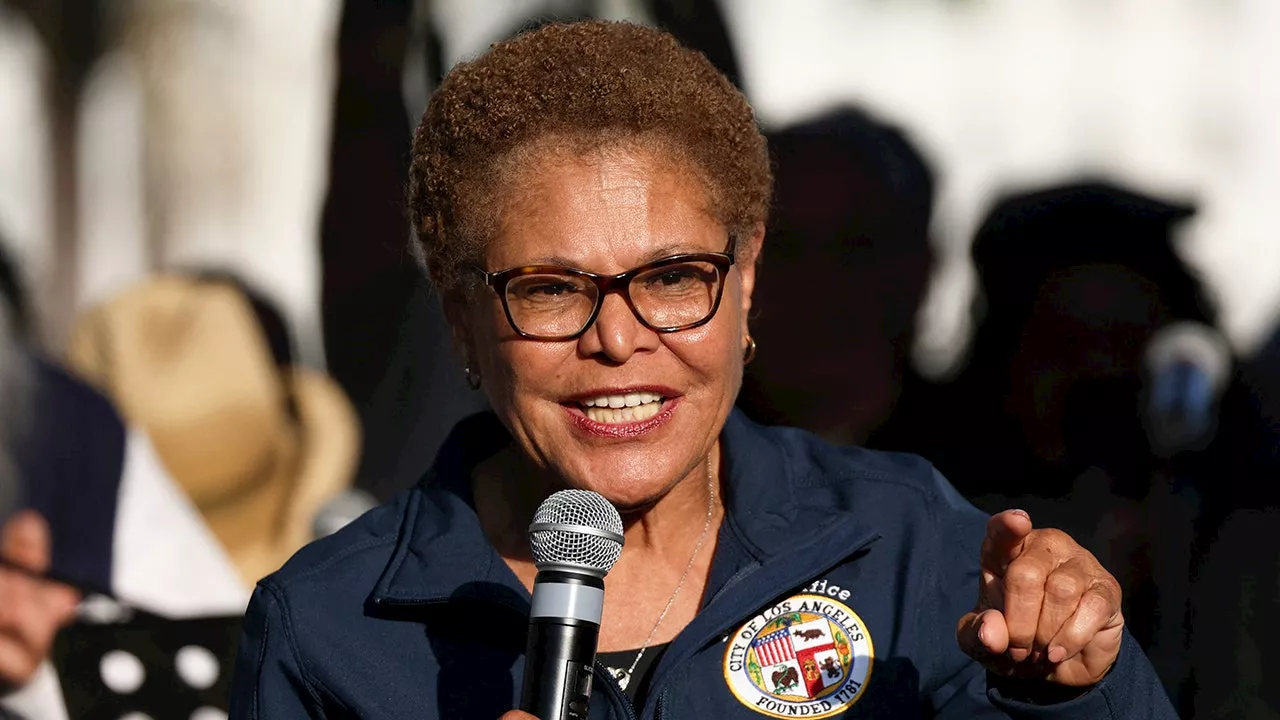
UPDATE: Los Angeles Mayor Karen Bass has expressed deep concern over a significant rise in Latino recruitment for the U.S. Border Patrol, highlighting urgent financial motivations driving this trend. In a revealing interview on October 20, 2025, with Wolf Blitzer on CNN’s ‘The Situation Room,’ Bass described the situation as “sad,” suggesting that recruits may face harsh realities that differ from their training.
The Mayor’s comments come as new reports indicate that applications to join the Border Patrol have surged by 70% from last year. Over half of the agents currently serving on the southern border are Hispanic, raising critical questions about community relations and the implications of their roles.
In a poignant moment of the interview, Bass stated, “Those Border Patrol agents are going to have a difficult time when they’re out in the field and they see what actually happens in real life separate from their training.” She emphasized that the primary incentive for many new recruits is financial, reflecting the challenging economic conditions faced by millions of Americans.
The interview also featured insights from Border Patrol recruit Juan Peralta, who was asked about the emotional toll of arresting individuals from his own community. Peralta responded, “They didn’t come in the right way. So, they aren’t my kind,” illustrating the complex feelings surrounding issues of immigration enforcement.
Earlier today, the Trump administration announced its revival of “neighborhood checks” for citizenship applicants, a controversial policy last employed during the first Bush administration. This move has reignited debates over immigration policy and enforcement tactics, further complicating the environment for new recruits.
According to the latest data from U.S. Customs and Border Protection, there were 237,565 southwest border apprehensions in fiscal year 2025, the lowest since 1970. This statistic underscores the changing dynamics of border security and recruitment.
Mayor Bass’s remarks highlight a growing concern among community leaders about the implications of these recruitment trends for Latinos, especially in urban centers like Los Angeles. The financial motivations behind joining the Border Patrol may indicate broader societal issues that need addressing.
Looking ahead, this situation is expected to evolve as more recruits enter the Border Patrol and as policies from the Trump administration continue to unfold. Residents and local leaders are urged to stay informed about the potential impact on community relations and safety.
The urgency of the matter calls for a closer examination of the socio-economic factors influencing recruitment trends, as well as the broader implications for Latino communities across the nation.
For ongoing updates and deeper analysis, stay tuned to developments in this rapidly changing landscape.