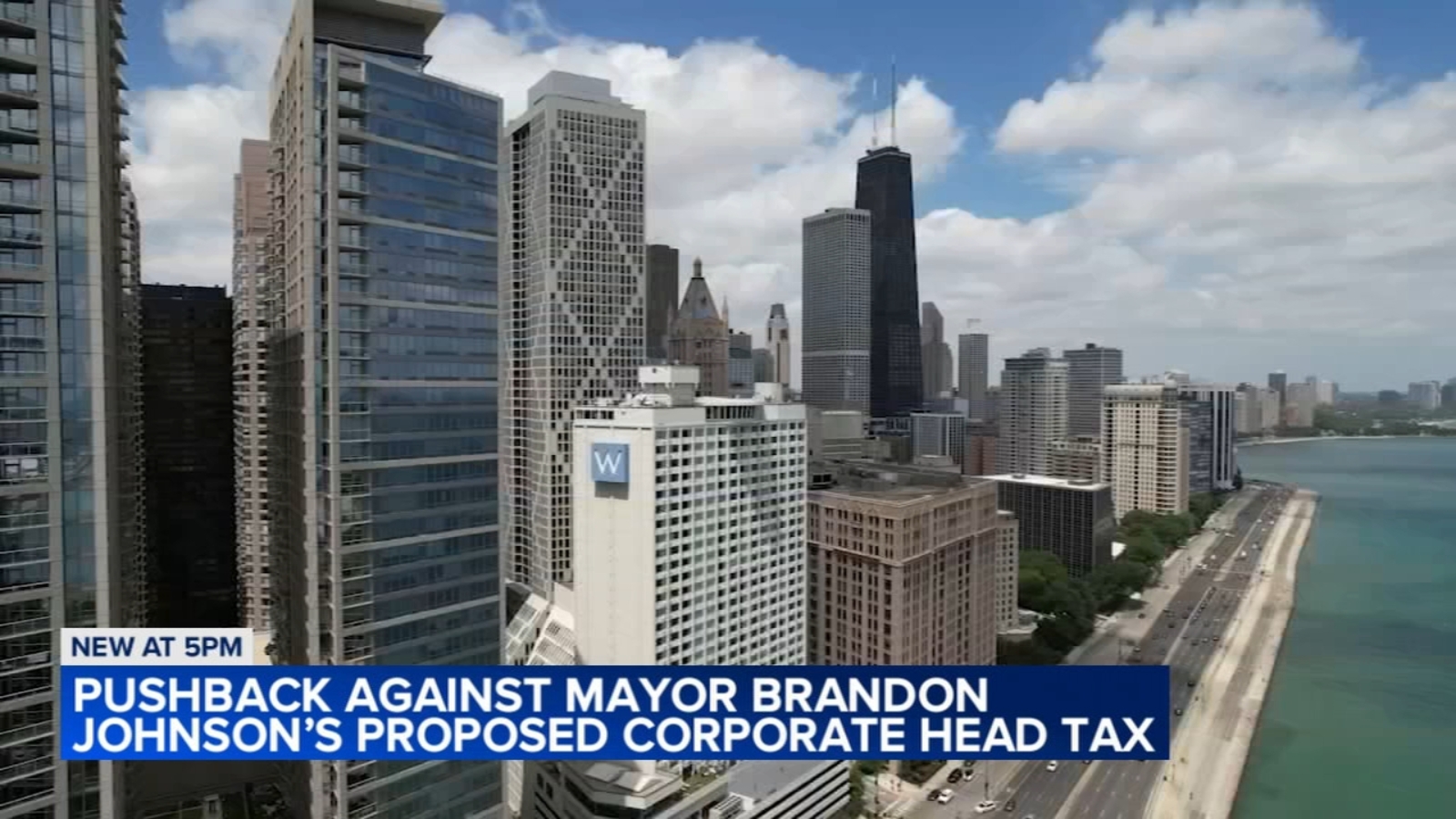
UPDATE: Mayor Brandon Johnson is facing mounting opposition from Chicago’s business leaders over his proposed $21 corporate head tax, part of his nearly $17 billion city budget. New reports confirm that the pushback is intensifying as influential groups, including the Civic Committee and the restaurant industry, express serious concerns about the potential impact on local businesses.
Just announced during a bustling lunchtime in the West Loop, Johnson’s head tax aims to generate funds for public safety but risks undermining the city’s recovery as businesses struggle to return to pre-pandemic levels. Scott Weiner, co-owner of the Fifty/50 Restaurant Group, stated, “Downtown Loop right now is quite vibrant, and it’s getting better every day.” However, he added, “How many companies are going to tell their employees to come to the office two days, work from home three days, and then they can bypass the head tax in general?”
A shocking new report from the Federal Reserve indicates that hiring in Chicago is projected to plunge by 39.75% over the next 12 months, marking the lowest hiring outlook since March 2020. This downturn is alarming for a city that relies heavily on its workforce returning to the office.
The Civic Committee has condemned the head tax as a “hostile move against business.” President Derek Douglas emphasized, “You don’t put in a policy that will hurt growth, that will hurt the tax base and potentially shrink the tax base.” He criticized the administration for attempting to solve one problem by creating another, warning that the ramifications could severely compromise the city’s vibrancy.
While Mayor Johnson claims that only 3% of businesses would be affected by the head tax, critics argue that the focus should be on the percentage of jobs taxed, not the percentage of companies. Douglas pointed out the reality: “He’s taxing a humongous share of the jobs in the City of Chicago.”
As discussions heat up, aldermen are raising alarms over various aspects of Johnson’s budget, suggesting that negotiations over revenue and spending could extend into late December. The stakes are high, with the city’s economic future hanging in the balance.
WHAT’S NEXT: All eyes are now on City Hall as pressure mounts to either reject the head tax proposal or find alternative revenue sources. This ongoing debate could have lasting implications for Chicago’s economic landscape, making it essential for residents and business owners to stay informed.
The urgency of this situation cannot be overstated. With critical decisions looming, the time to act is now. Share your thoughts on how this head tax could impact Chicago’s future.