UPDATE: If you were among the estimated 7 million people who participated in the “No Kings” protests this past weekend, authorities are now raising alarms about potential surveillance. Despite reports of peaceful gatherings in cities like Los Angeles and New York City, where the NYPD confirmed “zero protest-related arrests,” the political rhetoric surrounding these events is intensifying.
Officials, including Speaker of the House Mike Johnson, have labeled the protests as “hate America” rallies. Meanwhile, Secretary of Transportation Sean Duffy has suggested these events are driven by “dark money” and are linked to extremist groups. This comes on the heels of a controversial Trump Administration executive order aimed at “identifying and disrupting financial networks” associated with what they deem “domestic terrorism and political violence.”
The implications of this rhetoric are profound. Ryan Shapiro, director of the nonprofit Property of the People, warns, “The Trump regime would have us believe that somehow peaceful, pro-democracy protesters are terrorists.” He emphasizes that the true threats are those in power undermining constitutional rights.
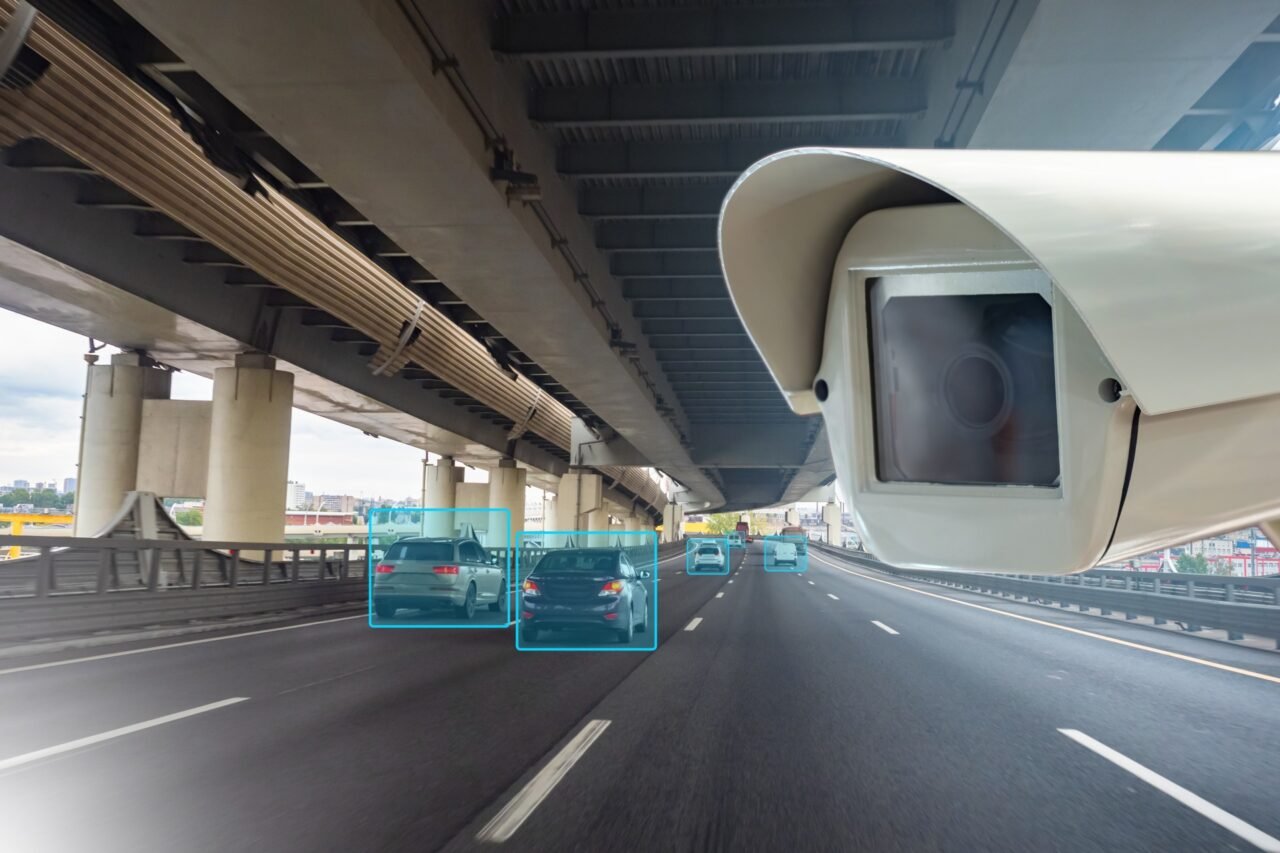
If you attended a protest, be aware of how easily law enforcement can track your movements. Surveillance cameras, especially automated license plate readers (ALPRs), can capture your vehicle’s presence near protest sites. This includes both fixed cameras along your route and mobile ALPRs mounted on police vehicles, which can gather data from parked cars.
Using public transit may provide some anonymity, but if you paid with a card or app linked to your identity, you could still be tracked. Your smartphone also poses a significant risk: even if in airplane mode, location data can be recorded and transmitted when you reconnect to the internet. The Electronic Frontier Foundation (EFF) warns that apps can store GPS data and share it once online again.
Moreover, if you shared photos from the event, your image may be accessible to law enforcement agencies like the Department of Homeland Security (DHS) and U.S. Immigration and Customs Enforcement (ICE). To protect your privacy, the EFF recommends tools like Image Scrubber to blur faces and remove identifying metadata before posting.
However, not all attendees may be aware of these precautions. If you were photographed without a mask, your image could easily circulate online. Services such as PimEyes can locate pictures of you across the internet, but using such services poses its own risks. Law enforcement may also deploy drones to capture images of protesters, adding another layer of surveillance.
The EFF highlights that law enforcement uses social media images to monitor events and gather intelligence. They may utilize technology like Clearview AI, which scans extensive databases of public images for identification. This practice is banned in several states, including Vermont, New Jersey, Illinois, Maine, Massachusetts, and Montana, but remains a concern elsewhere.
Furthermore, reports indicate that the data firm Palantir, founded by Peter Thiel, is collaborating with the Trump Administration to create a centralized database that could include information on American citizens. While Palantir denies these claims, the potential for misuse of such a database raises pressing questions about civil liberties.
As the situation evolves, it is crucial to stay informed and aware of your digital footprint. The growing trend of surveillance following protests could have lasting implications for privacy and freedom of expression in America.
What to watch for next: The impact of this surveillance on future protests and the political discourse surrounding them is expected to escalate. As more information comes to light, the public’s response may shape the narrative around civic engagement and government oversight. Stay tuned for updates on this developing story.