BREAKING: New research has revealed that native halophytes are transforming toxic bauxite residue (BR) into viable soil, addressing a critical environmental crisis. This groundbreaking study, published on September 24, 2025, by a team led by Longbin Huang at The University of Queensland, could revolutionize the rehabilitation of alumina waste deposits worldwide.
Bauxite residue, a byproduct of aluminum production, poses one of the most significant global environmental challenges, with billions of tons stored in massive tailing dams. Its extreme alkalinity and salinity have long thwarted vegetation growth and natural soil formation. Traditional rehabilitation methods, which often involve costly amendments like gypsum and imported organic matter, are no longer sustainable or effective.
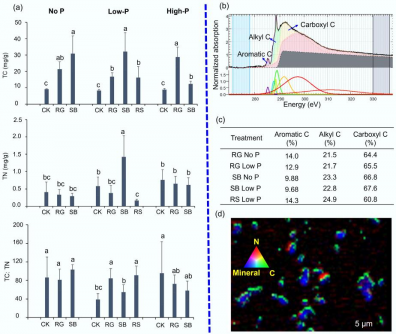
In a remarkable shift towards eco-engineering, this study demonstrates how halophytic plants can stimulate mineral weathering and enrich organic carbon in situ, offering a more sustainable solution to combat BR’s toxicity. Researchers utilized advanced techniques, including quantitative X-ray diffraction and synchrotron-based X-ray absorption fine structure spectroscopy, to assess how these resilient plants can initiate soil formation directly in the field.
The field experiment, which spanned nearly three years, showed that halophyte root colonization significantly reduced alkalinity in BR, with pH levels dropping from over 9.5 to between 8.5 and 9.0. The electrical conductivity (EC) also fell below 3.0 mS·cm−1, meeting established rehabilitation criteria. This reduction creates a more hospitable environment for subsequent vegetation and ecosystem development.
In addition to improving pH levels, the study revealed that halophyte roots induced substantial mineral weathering, leading to the formation of stable organo-mineral complexes. This is crucial for long-term soil stability, carbon sequestration, and biodiversity restoration.
According to Huang, “The findings provide the first field-based evidence that native halophytic plants can biologically drive the early stages of soil formation in alkaline, organic-deficient bauxite residue.” The implications are profound, as this innovative approach could reduce reliance on expensive organic or chemical amendments, making rehabilitation feasible for vast BR disposal sites around the globe.
As researchers continue to explore the potential of these pioneering plant species, the focus will be on their ability to create robust ecosystems from toxic waste. This study not only highlights the resilience of halophytes but also their critical role in tackling one of the pressing environmental challenges of our time.
With funding from the Australian Research Council, Rio Tinto (Aluminum) Ltd, and Queensland Alumina Ltd (QAL), this research marks a significant step forward in integrating ecological solutions into waste management practices.
Stay tuned as we follow this developing story and its potential impact on global environmental strategies. The fight against toxic waste is gaining a powerful ally in nature itself.