URGENT UPDATE: A groundbreaking study titled “Megaproject Responsible Innovation: Concept, Framework, and Governance” has just been released, highlighting a critical need for innovation in megaproject management. Conducted by a team of experts from Nanjing Audit University, Guangzhou University, Ningbo University of Finance and Economics, and Western Sydney University, this research aims to address the pressing challenges currently facing megaprojects globally.
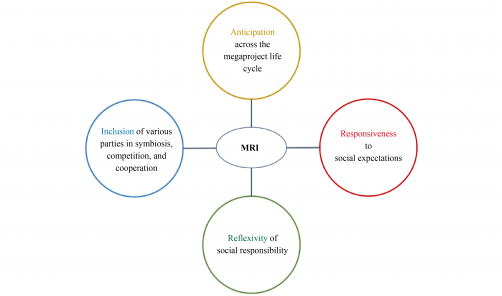
Innovation is essential for driving economic growth and improving public services, yet megaprojects often stumble due to issues like technological complexity, communication failures, and inadequate social responsibility. These factors contribute to uncertainties and crises that threaten the sustainability of large-scale projects. The study introduces the concept of megaproject responsible innovation (MRI) and proposes a comprehensive four-dimensional framework to tackle these challenges effectively.
The four key dimensions of the MRI framework are:
1. **Anticipation**: This involves assessing innovation impacts early in the project lifecycle to prevent negative outcomes later.
2. **Inclusion**: Engaging diverse stakeholders—including experts, the public, and policymakers—to align innovation with societal expectations.
3. **Reflexivity**: Urging innovators to continuously reflect on their processes and outcomes to ensure ethical compliance.
4. **Responsiveness**: Enabling adjustments to innovation activities based on evolving societal values and needs.
The research further introduces an ecological governance strategy that categorizes innovation participants into key and extended niche members, such as owners, designers, contractors, governments, and regulatory agencies. Different governance approaches are adopted based on the nature of symbiotic relationships among these members.
The study features extensive theoretical analysis and case studies, including the Hong Kong-Zhuhai-Macao Bridge and the Three Gorges Dam, validating the MRI framework and governance strategy.
This research is a significant step toward integrating social responsibility into the innovation process of megaprojects, addressing a gap in existing literature. The findings provide a theoretical basis for promoting sustainable development in this critical area.
The full text of the paper is available as open access at https://doi.org/10.1007/s42524-025-4071-9. This study is not just an academic exercise; it has immediate implications for policymakers, project managers, and communities impacted by megaprojects worldwide.
As the challenges of megaprojects grow, the adoption of the MRI framework could be key to driving responsible and sustainable innovation. Stakeholders are urged to act now to align their strategies with this new approach, ensuring that future megaprojects contribute positively to society and the environment.