URGENT UPDATE: A groundbreaking study highlights the transformative potential of Digital Twin (DT) technology in the field of facility management (FM). Researchers from Western Michigan University, including Obaidullah Hakimi, Hexu Liu, and Osama Abudayyeh, have released a vital bibliometric review detailing the integration of DT into FM, aiming to enhance operational efficiency and decision-making in an often neglected phase of facility lifecycle management.
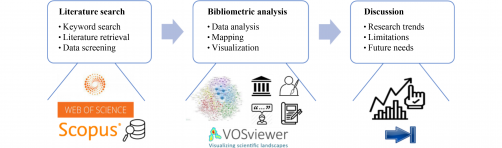
The study, titled “Digital Twin-Enabled Smart Facility Management: A Bibliometric Review,” analyzed 248 research articles spanning from January 2012 to March 2022. Utilizing advanced bibliometric analysis tools, the researchers mapped out the current landscape of DT research within FM, revealing a clear need for focused studies that address operational and maintenance (O&M) challenges.
As the O&M phase is recognized as the most prolonged and costly in facility management, the findings are critical for industry stakeholders. The data exposes a significant gap in comprehensive asset management plans and the ability to utilize asset-related data effectively. By leveraging DT technology, facilities can achieve real-time data acquisition and analysis, thereby improving maintenance strategies and reducing costs.
The research identified four primary focus areas within DT applications in FM:
1. Building Information Modeling (BIM)-based FM
2. AI-driven predictive maintenance
3. Real-time cyber-physical system data integration
4. Facility lifecycle asset management
Additionally, the study unveiled seven key research clusters, including AI-based predictive maintenance and semantic interoperability, which are essential for advancing DT applications. The review also highlighted the UK’s University of Cambridge as a leading contributor to this field, with Automation in Construction cited as the most influential publication source.
Despite the promising developments, the researchers assert that much work remains. Key areas identified for further exploration include AI-based real-time asset prognostics, intelligent infrastructure monitoring, and enhanced data interoperability across facility lifecycles.
This research is pivotal not just for academics but also for facility managers and organizations aiming to modernize their operations in an increasingly data-driven world. The full text of the open-access paper can be accessed [here](https://doi.org/10.1007/s42524-023-0254-4).
As industries pivot towards smart technologies, the implications of this study could reshape how facilities are managed, ultimately enhancing sustainability and efficiency. Stay tuned for further updates as this urgent research continues to evolve and drive change in facility management strategies worldwide.