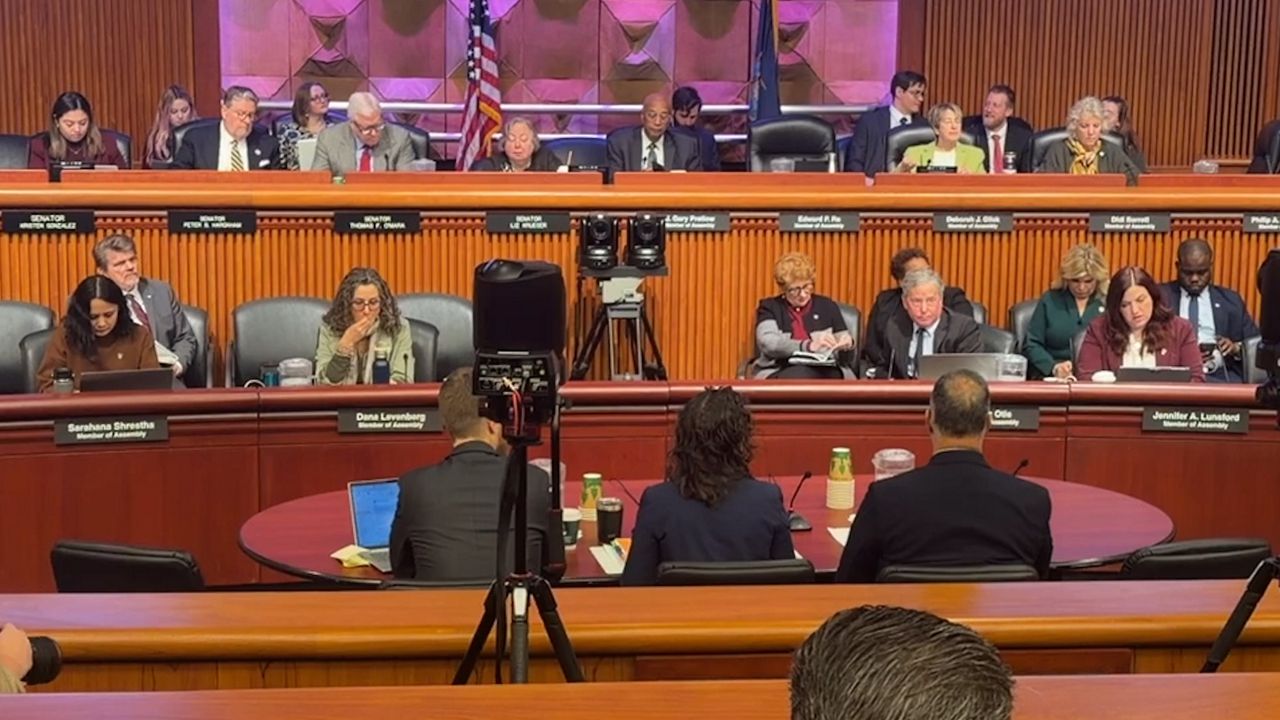
UPDATE: Tensions rise over New York’s climate future as the state Legislature’s budget hearing on energy, held on March 15, 2023, raises urgent questions about potential rollbacks of the Climate Leadership and Community Protection Act (CLCPA). The budget discussions, which are critical for determining the state’s energy strategy, have sparked significant debate regarding the sustainability and affordability of climate goals.
The session comes amid a petition filed by the Coalition for Safe and Reliable Energy with the Public Service Commission, urging officials to temporarily suspend or modify obligations under the CLCPA. This petition highlights a controversial provision that could give the commission the power to alter clean energy mandates if they “impede the provision of safe and adequate electric service.” The coalition, primarily representing business interests, has created a groundswell of opposition among climate advocates, adding to the urgency surrounding the hearing.
During the hearing, Rory M. Christian, chair and CEO of the New York State Public Service Commission, declined to comment on the petition, leaving many to speculate about the future of the state’s climate initiatives. Meanwhile, Governor Kathy Hochul has been reportedly weighing adjustments to the benchmarks established by the CLCPA, with discussions intensifying as part of the ongoing budget process.
State Senator Pete Harckham pressed Amanda Lefton, commissioner of the New York State Department of Environmental Conservation, for clarity on the governor’s plans. While Lefton did not disclose specifics, she affirmed the governor’s commitment to addressing climate change while balancing reliability and affordability. Harckham’s inquiries reflect deep concern about how the state’s emissions objectives could be maintained if significant changes are made to the law.
The news has reignited hopes among Republican legislators who have long criticized the CLCPA. “We’ve seen just a crack in her energy plan,” stated State Senator Mark Walczyk, expressing a sense of vindication. “This isn’t a good plan; it’s not feasible,” he added, highlighting a growing divide in the state’s approach to climate policy.
Hochul has several opportunities to introduce new policies during the budget discussions, particularly through the 30-day amendment process, which often leads to contentious negotiations. Last year, delays extended the process past the April 1 deadline, indicating that similar challenges may arise this year.
Another focal point of the hearing was Hochul’s controversial proposal to modify the state’s environmental quality review process to facilitate housing development. This proposal has met with backlash from some lawmakers, including State Senator Rachel May, who argues that the governor’s approach is overly broad and lacks the necessary specificity to address environmental protections effectively. “Our bill is much more targeted,” she emphasized, advocating for a nuanced approach to housing projects that prioritizes environmental sustainability.
As the budget discussion continues, the future of New York’s climate law hangs in the balance. Stakeholders are urged to pay close attention to how the state navigates these critical issues, as decisions made in the coming weeks will have lasting implications for both the environment and New Yorkers’ daily lives.
WHAT TO WATCH FOR: Expect further developments as public comments on the Coalition’s petition are due in 30 days. The outcome of these discussions will be pivotal in shaping New York’s climate strategy and its ability to meet ambitious clean energy goals. Stay tuned for more updates as this story unfolds.