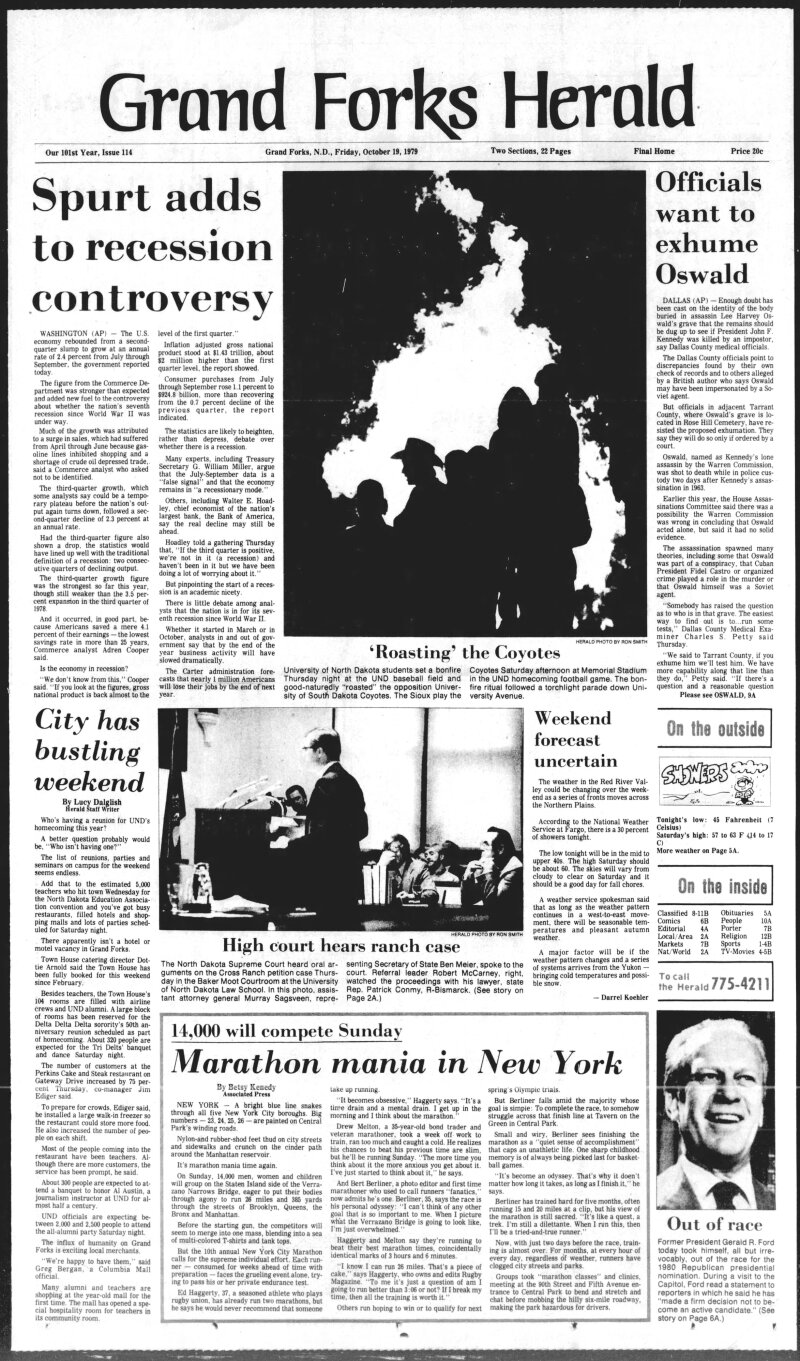
UPDATE: The North Dakota Supreme Court is currently deliberating a pivotal case regarding the rejected signatures from the Cross Ranch petition, following a hearing held on October 18, 1979. This urgent legal battle centers around whether Secretary of State Ben Meier acted correctly in dismissing signatures that lacked “full post office addresses,” a requirement that has significant implications for the petition’s validity.
The stakes are high as the petition drive, led by Robert P. McCarney, a retired businessman and political activist, fell short of the 12,356 signatures needed to bring the Cross Ranch legislation to voters. The $2.6 million legislation aims to add the 10,000-acre Cross Ranch to North Dakota’s state park system, funded by Vietnam veterans’ bonus funds.
At the heart of the debate is the definition of a “post office address.” During the hearing, attorney Patrick Conmy questioned the justices, stating, “What in the hell is a post office address?” He argued that signatures from residents in larger cities, such as Bismarck and Fargo, were disqualified simply for listing their city, which he claimed does not meet the legal requirements set by the state Constitution.
Conmy highlighted that a sample petition had previously been approved with a minimal address format, raising questions about the consistency of the Secretary of State’s office. He insisted that the term “post office address” should only refer to the post office where individuals receive their mail, rather than requiring detailed street addresses, which can vary significantly.
On the other side, Assistant Attorney General Murray G. Sagsveen defended Meier’s decision, noting that most residents in larger cities cannot receive mail without a specific address. He reported that out of 360 postcards sent to petitioners in urban areas without full addresses, 290 were returned due to insufficient information.
The court heard testimony about the process of collecting signatures and the subsequent attempts to correct the disqualified addresses, which were ultimately rejected by Meier. Conmy expressed frustration over the fact that the corrections were not accepted, questioning whether the Constitution mandates that petitioners must verify their own addresses.
As the justices take this case under advisement, the outcome could significantly affect the future of the Cross Ranch legislation and voter engagement in North Dakota. The implications of this ruling are profound, as it could set a precedent for how petition signatures are validated in the state.
Authorities and legal experts are closely monitoring the situation, with potential ramifications for similar cases across the nation. Stay tuned for updates as this critical legal matter unfolds.