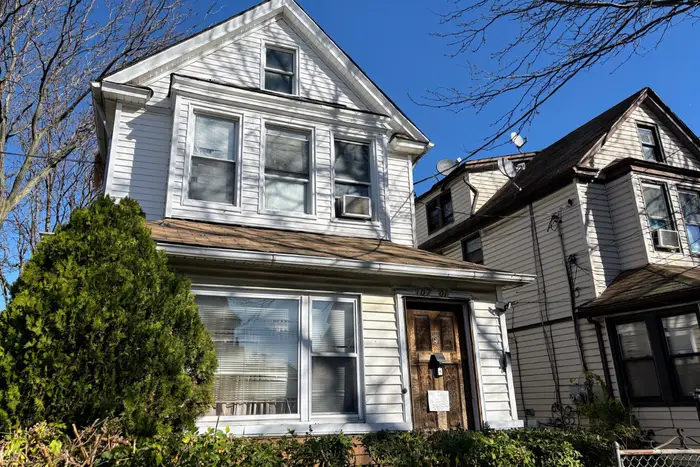
URGENT UPDATE: Foreclosure rates in New York City are surging, with 335 homes sold at auction just this year, primarily affecting communities of color in Southeast Queens and Central and South Brooklyn. This alarming trend highlights the ongoing economic vulnerabilities faced by many New Yorkers, as officials confirm that foreclosure filings nearly doubled in the first half of 2025 compared to the last six months of 2024.
The data, analyzed by Gothamist and sourced from court records and the real estate platform PropertyShark, reveals a troubling concentration of foreclosures in neighborhoods like Jamaica and Springfield Gardens in Queens, as well as East Flatbush and Canarsie in Brooklyn. These areas are home to significant populations of Black, Latino, and South Asian residents, many of whom are now at risk of displacement.
Public policy experts are sounding the alarm.
“These homes are overwhelmingly located in communities of color and working-class neighborhoods, and when they are lost to foreclosure, it is accelerating displacement and economic inequities,”
stated Christie Peale, Executive Director of the Center for NYC Neighborhoods. The organization has been tracking ownership trends and collaborating with advocacy groups across the city.
The dire situation reflects echoes of the 2008 mortgage crisis, which severely impacted these same neighborhoods due to predatory lending practices and rising unemployment. As of now, the Springfield Gardens ZIP code has recorded the highest number of foreclosure sales this year, with 23 homes auctioned off. Jamaica, East Flatbush, and Canarsie each accounted for 17 auction sales.
Beyond the immediate loss of homes, a recent investigation by Gothamist and New York Focus revealed that former homeowners might lose tens of thousands of dollars due to how lenders calculate debts during foreclosure. This troubling practice has prompted state legislators like Sen. Zellnor Myrie and Assemblymember Khaleel Anderson to propose new legislation aimed at standardizing debt calculations to protect vulnerable homeowners.
Myrie emphasized the importance of the new data, stating it shows how “homeowners in Black and brown communities are under threat.” The impact of these foreclosures is not just financial; it threatens the very fabric of neighborhoods that have long been affordable for low- and moderate-income New Yorkers. Peale warns that the increase in foreclosure filings signals the “quiet erosion of one of New York City’s most important sources of affordable housing.”
The auction process itself can be complicated, with many homeowners attempting to delay sales through bankruptcy filings right before scheduled auctions. Additionally, winning bidders may back out of deals, leading to further delays in the foreclosure process.
As the situation develops, residents and advocates are urged to stay informed and engaged. The rising tide of foreclosures in NYC not only threatens individual families but also poses broader implications for community stability and economic equity.
What’s Next: Experts advise monitoring legislative developments as new bills aimed at protecting homeowners are introduced. Community advocacy groups will continue to fight for the rights of residents facing foreclosure, emphasizing the need for systemic change to prevent further economic displacement.
Stay tuned for further updates as this situation evolves, and be part of the conversation on social media to raise awareness about the urgent challenges facing New York City’s communities.