UPDATE: Australia is making headlines as more than 4.7 million social media accounts belonging to users under the age of 16 have been removed within weeks of the nation’s new youth social media ban taking effect on December 11, 2023. This major move, announced by the Australian government, aims to safeguard children from the dangers of online platforms.
Prime Minister Anthony Albanese emphasized the urgency of this initiative, stating, “Our government has acted to help keep kids safe online. Change doesn’t happen overnight, but these early signs show it’s important we’ve acted.” The law, hailed as “world-leading,” targets popular social media platforms to eliminate accounts held by youth and prevent the creation of new ones.
The ban requires platforms such as Facebook, Instagram, Threads, TikTok, X, Reddit, YouTube, Twitch, Kick, and Snapchat to comply or face penalties. Some companies, including Meta, began taking action as early as December 4, removing accounts preemptively to align with the new regulations.
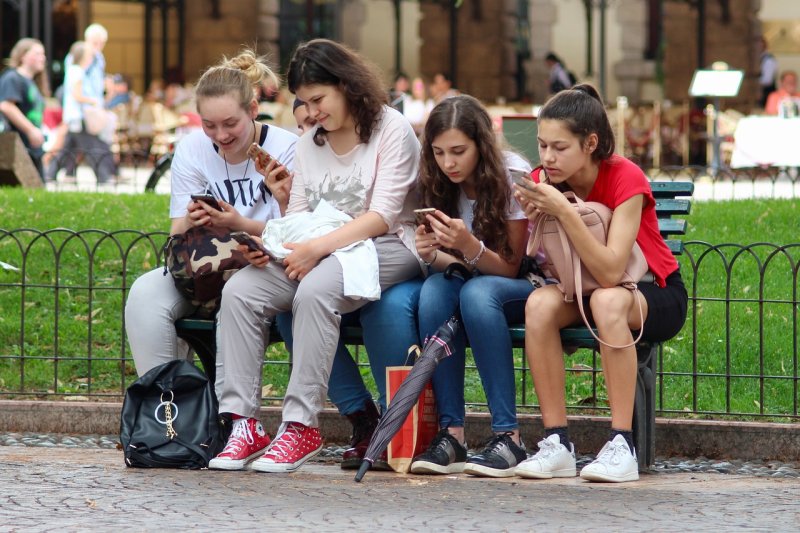
According to government statistics, there are approximately 2.5 million Australians aged between 8 and 15. A staggering 84% of children within the 8-12 age bracket had social media accounts in 2025. Minister for Communications Anika Wells stated, “Now Australian parents can be confident that their kids can have their childhood back,” highlighting the importance of real-world connections over online interactions.
In a press conference in Murarrie, Queensland, Wells urged parents to encourage their children to engage in offline activities, from skateboarding to reading, to foster genuine connections. “It’s about discovering who they are off the screen,” she said.
The eSafety Commissioner, Julie Inman Grant, confirmed that all ten targeted platforms are currently in compliance with the new regulations. Despite the impressive number of accounts removed, Grant reassured reporters that the figures are accurate, noting that over 95% of 8 to 15-year-olds are users of YouTube alone.
However, the law has faced criticism from social media giants like Meta, which has raised concerns about isolating vulnerable teens and pushing them toward less reputable platforms. Grant responded by clarifying that the government’s goal is to protect children from predatory practices, not to eliminate their access to technology.
Research from the University of Queensland indicates that teenagers on social media are at heightened risk for harm, including social isolation, depression, and anxiety. A recent study by Orygen found that nearly all Australian youth use social media daily, with 40% spending over three hours online each day.
As this unprecedented move unfolds, Australian parents and guardians are watching closely. The Albanese government plans to continue monitoring compliance and effectiveness, aiming to further enhance digital literacy and safety for future generations.
Stay tuned for more updates on this developing story as Australia takes significant strides in protecting its youth in the digital age.