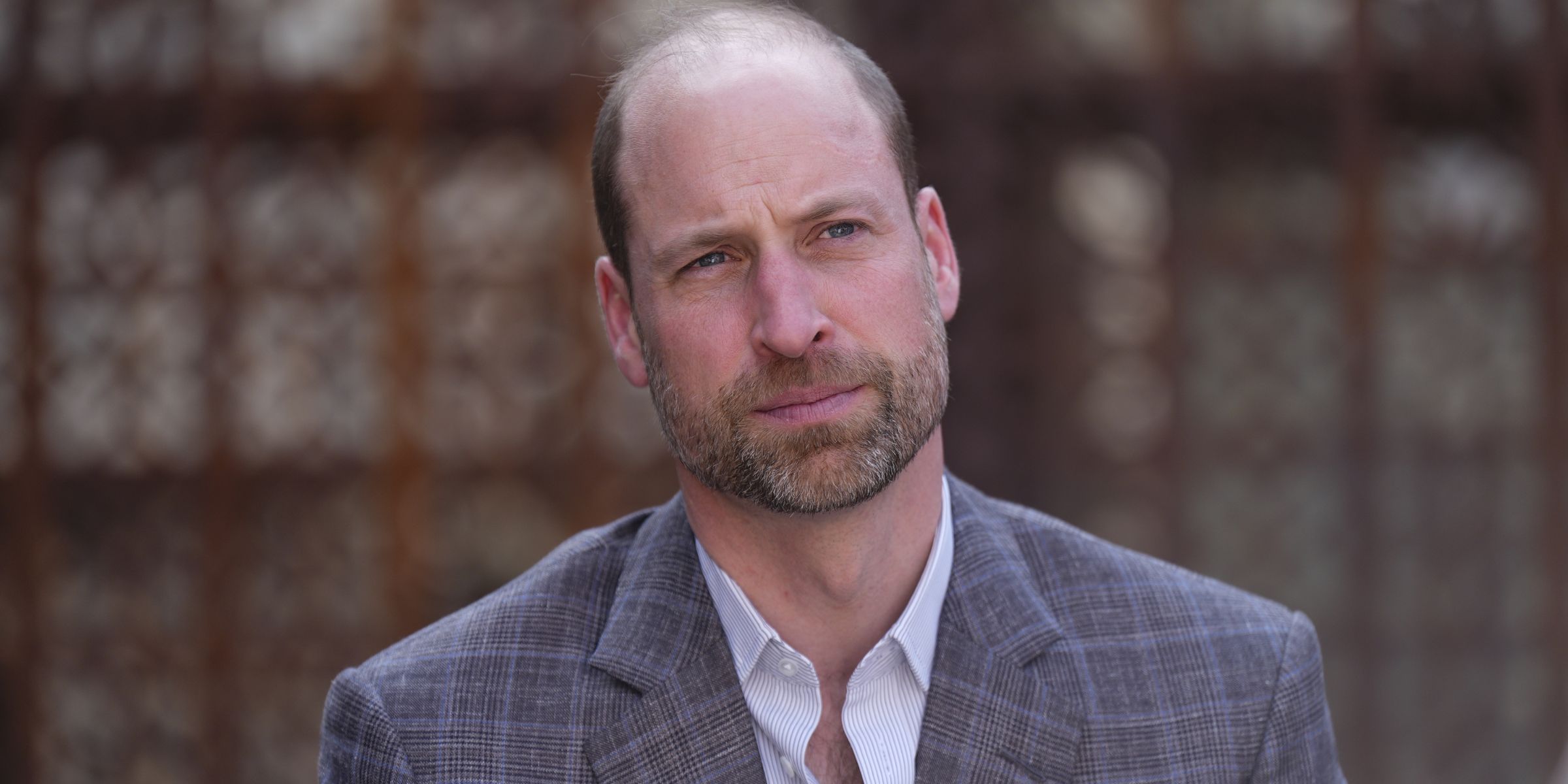
In a heartfelt interview, Prince William has spoken openly about mental health, urging men to embrace emotional vulnerability and seek support. The Prince of Wales shared his insights during a special episode of BBC Radio 1’s “Life Hacks,” released on February 18, 2026. This marks one of his most personal discussions on the topic, reflecting on fatherhood, generational trauma, and the dangers of emotional suppression.
During the interview, Prince William highlighted the stigma that often prevents men from discussing their feelings. The 43-year-old royal emphasized that understanding and processing emotions is a continuous journey. “I take a long time trying to understand my emotions and why I feel like I do,” he remarked. He encouraged listeners to regularly check in with themselves to better understand their emotional state.
Prince William acknowledged that emotional distress does not always have a clear cause. Some troubling moments stem from identifiable events, while others are more ambiguous. Importantly, he reassured listeners that intense feelings can be temporary, stating, “Mental health crises can pass.” His central message focused on the need for more male role models to speak openly about mental health.
“We need more male role models out there kind of talking about it and normalising it,” he stated, stressing that such conversations should become second nature. The Prince likened emotional wellbeing to a personal “toolbox,” shaped by upbringing and life experiences. He noted that no one is born with all the coping mechanisms required for life’s challenges, advocating for the continuous addition of new “tools” to assist with emotional difficulties.
In discussing mental health, Prince William emphasized that seeking support should feel ordinary rather than exceptional. His commitment to this cause is demonstrated through the Royal Foundation’s pledge of £1 million to develop a National Suicide Prevention Network, linking advocacy with actionable prevention efforts.
The interview also touched on Prince William’s family dynamics. When asked about his children—Prince George (12), Princess Charlotte (10), and Prince Louis (7)—he humorously noted their willingness to share their feelings. “Yes, sometimes too much,” he joked, expressing his enjoyment in hearing their thoughts. He acknowledged the importance of listening rather than feeling pressured to solve their problems, suggesting that simply being present and accepting their emotions can be sufficient.
The conversation then shifted to the generational challenges surrounding emotional expression. Prince William reflected on how previous generations, particularly those who lived through the World Wars, struggled to articulate their feelings. He noted, “They couldn’t talk about their emotions,” and highlighted how this reticence has been unintentionally passed down.
In his closing remarks, he stressed the importance of breaking this cycle. “You have to talk about your emotions. You can’t just bottle them up and pretend they don’t exist because that’s when it all goes wrong,” he asserted.
The public response to the interview has been mixed. Many praised his openness and commitment to addressing men’s mental health. Comments included, “It’s not always easy for men to talk about mental health, but I’m glad William did,” and “Normalising these conversations creates permission—and that can be life-changing.”
Conversely, some criticism arose, particularly regarding his personal relationships. One commenter remarked on the disconnect between his public statements and his relationship with his brother, while others called for more proactive measures from him regarding mental health funding in the UK.
Despite the divided opinions, Prince William’s core message remains clear: fostering open conversations about mental health is essential, especially for men. He advocates that seeking help should not be perceived as a weakness but rather as a vital aspect of modern life.