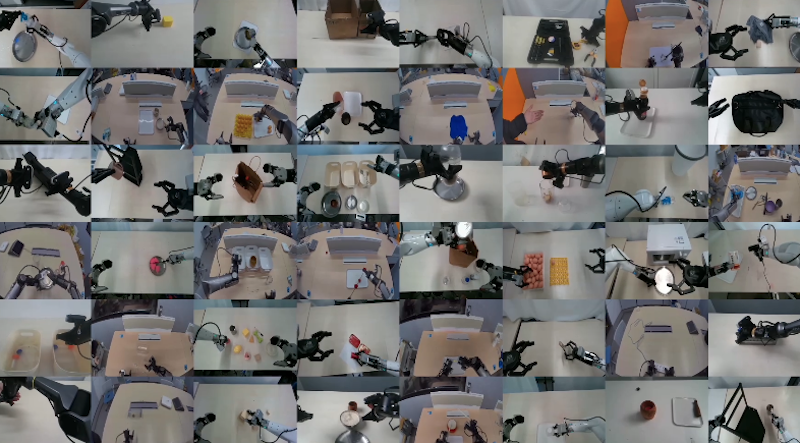
Robbyant, an embodied AI company affiliated with Ant Group, has unveiled the open-source release of its latest innovation, the LingBot-VLA. This vision-language-action (VLA) model is designed to function as a “universal brain” for robotics, aiming to enhance operational efficiency and reduce costs associated with post-training. The announcement marks a significant step forward in the field of robotics, as it allows developers to leverage advanced AI capabilities for real-world applications.
The release of LingBot-VLA is expected to facilitate faster and more scalable deployment of robotic systems. By making this technology accessible, Robbyant aims to encourage collaboration within the robotics community, fostering innovation and development. According to the company, the open-source nature of LingBot-VLA will enable users to adapt and build upon the model, accelerating advancements in robotic intelligence.
Enhancing Robotics Capabilities
LingBot-VLA has already demonstrated its adaptability in various scenarios, showcasing its potential to revolutionize how robots interact with their environments. The model integrates multiple modalities of information, allowing robots to interpret visual data, understand language commands, and execute actions effectively. This multifaceted approach is pivotal in reducing the time and resources needed for training robots to perform specific tasks.
Robbyant highlights that the introduction of LingBot-VLA could significantly lower post-training costs, which have traditionally posed a barrier to the widespread adoption of robotic systems. By streamlining the training process, the model provides a more cost-effective solution for businesses looking to integrate robotics into their operations.
Impact on the Robotics Community
The open-source release of LingBot-VLA is likely to attract interest from developers, researchers, and businesses alike, as it offers a platform for experimentation and enhancement. This initiative aligns with a growing trend in the tech industry, where open-source models are increasingly seen as a means to democratize technology and stimulate innovation.
The response from the robotics community has been largely positive, with many expressing excitement about the possibilities that LingBot-VLA presents. By lowering entry barriers, Robbyant is positioning itself as a leader in the robotics space, encouraging a collaborative atmosphere that could lead to groundbreaking developments.
As the demand for intelligent robotic solutions continues to rise across various sectors, the successful implementation of LingBot-VLA may serve as a catalyst for further advancements in AI technology. The implications of this open-source model extend beyond cost reduction; they also encompass the potential for improved safety, efficiency, and functionality in robotic systems.
In summary, Robbyant’s open-source LingBot-VLA represents a significant advancement in robotics technology. By providing a versatile and accessible AI model, the company is poised to drive innovation and foster collaboration within the robotics ecosystem, ultimately shaping the future of intelligent automation.