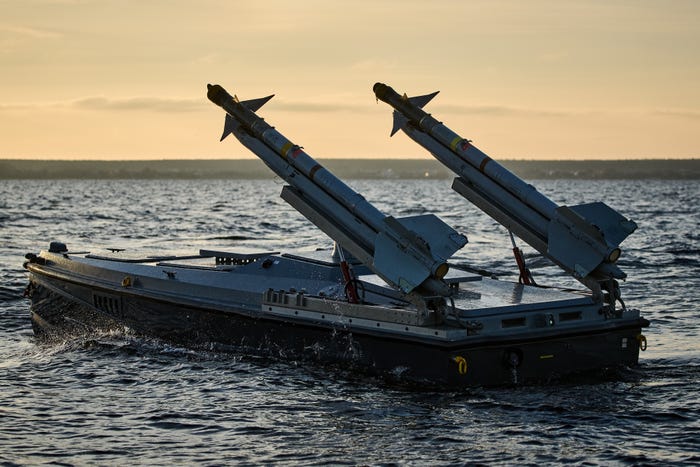
UPDATE: In a startling development, Russian helicopters have ceased operations near Ukraine’s naval drones due to their newfound vulnerability. A commander from Ukraine’s special forces, known as Thirteen, revealed that these drones have become formidable threats equipped with missiles, making them “easy targets” for Ukraine’s advanced naval warfare capabilities.
Speaking at a recent showcase by the Ukrainian Defense Intelligence Agency (GUR), Commander Thirteen, who leads the elite unit “Group 13,” emphasized the drastic shift in aerial combat dynamics. He stated, “After arming our naval drones with missiles, the enemy stopped using helicopters against us altogether.” This statement highlights a significant turning point in the ongoing conflict between Ukraine and Russia.
Ukrainian naval drones, notably the Magura V7, have evolved to include missile capabilities, enabling them to effectively counter Russian air threats. This adaptation follows Ukraine’s previous claim of a historic first, when a Magura V5 drone successfully destroyed a Russian Mi-8 helicopter in December 2022. The growing success of these drones has forced Russia to reassess its air patrol strategies, retreating from direct engagements.
The implications of this shift are profound. Russian helicopters, which once posed a significant threat to Ukrainian operations, are now largely absent from the skies, as they face increased risks from Ukraine’s missile-armed naval drones. This retreat underscores the changing battlefield landscape, where aerial dominance is under constant threat from advanced drone technology.
Moreover, Ukraine’s naval drones have played a crucial role in countering Russian naval power, prompting the relocation of the Black Sea Fleet from its traditional base in Sevastopol to Novorossiysk. This strategic withdrawal highlights the effectiveness of Ukrainian naval operations, which have successfully targeted Russian warships and disrupted maritime activities.
Commander Thirteen’s remarks come amidst a broader context of evolving combat tactics, where both sides are adapting to the technological advancements in drone warfare. While Russian helicopters have historically been effective in ground support roles and hunting down enemy drones, they are now employed with greater caution due to the increased risk of missile strikes.
The situation remains fluid, as both Ukraine and Russia continue to enhance their drone capabilities. Ukraine is not only expanding its naval drone fleet but also developing new variants designed to engage a wider range of targets, including aerial threats and strategic assets on rivers.
As this story develops, the implications for air and naval warfare in the region are significant. The shift in tactics and technology raises questions about the future of aerial engagements and the ongoing conflict’s trajectory.
Stay tuned for further updates as the situation evolves and the impact of these strategic changes unfolds on the battlefield.