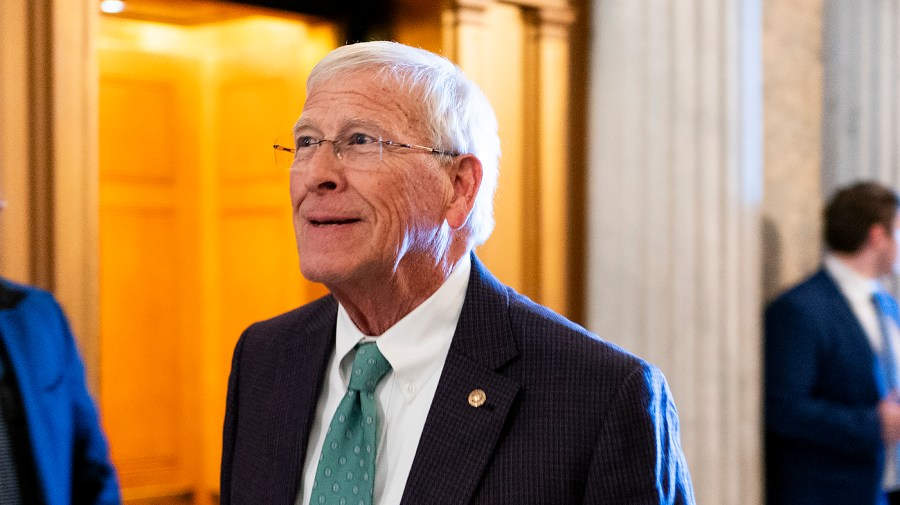
Senator Roger Wicker (R-Miss.) has expressed his opposition to a plan proposed by the Trump administration to establish a new Immigration and Customs Enforcement (ICE) detention facility in Mississippi. Wicker argues that the facility could negatively impact the local economy, a concern he has made clear in recent statements.
Wicker acknowledges the importance of enforcing immigration laws but emphasizes that he cannot support the establishment of a new detention center by the Department of Homeland Security. He believes that such a facility would not only strain local resources but also lead to economic repercussions for the surrounding communities.
In a statement released on October 10, 2023, Wicker highlighted that the construction and operation of an ICE detention facility could divert funds from essential services and programs that benefit the residents of Mississippi. He pointed out that economic stability relies on investments in education, infrastructure, and healthcare, rather than on facilities that may generate controversy.
The senator’s concerns reflect a broader debate within the state regarding immigration policy and its implications for local economies. While some residents support stricter immigration enforcement, others worry that facilities like the proposed detention center could lead to increased tensions and divisions within communities.
Wicker’s stance is particularly significant given the national discourse surrounding immigration and border control. The proposed facility is part of a larger strategy by the Trump administration to expand ICE’s reach and improve its ability to detain individuals suspected of violating immigration laws.
The senator’s opposition adds to a growing list of voices criticizing the administration’s approach to immigration enforcement. Local leaders and advocacy groups have echoed Wicker’s sentiments, expressing fears that the detention center could lead to negative social and economic consequences.
As the proposal moves forward, Wicker remains committed to advocating for policies that he believes will foster economic growth and community cohesion in Mississippi. He has called for a comprehensive review of immigration policies that prioritize both enforcement and the well-being of local populations.
The outcome of this situation remains to be seen, but Wicker’s position underscores a significant local opposition to the expansion of ICE’s facilities in the state. As discussions continue, the implications for both immigration policy and local economies will be closely monitored by constituents and policymakers alike.