URGENT UPDATE: Leaked internal messages reveal that President Donald Trump‘s aides directed ICE officials to flood social media with “propaganda” videos depicting migrants in distressing situations, regardless of the accuracy of the content. The explosive findings, detailed by The Washington Post earlier today, showcase a disturbing shift within ICE’s communications strategy during Trump’s second term.
The investigation highlights that ICE’s communications unit transformed into a “propaganda shop,” churning out sensational “raid” videos to satisfy the White House’s demands. In a single day, the agency’s social media account surged from just three posts to an astonishing 38 posts in a mere 11 hours, showcasing dramatic captures of migrants being apprehended. This rapid output prioritized spectacle over truth, with messages revealing that some officials were deeply troubled by this new approach.
In stark contrast, others appeared to revel in the sensationalism. Staff were instructed to label migrants as the “Worst of the Worst” even when they lacked criminal records, searching instead for “newsworthy” elements to amplify the narrative. In a controversial request, Emily Covington, ICE’s assistant director for public affairs, sought to re-edit a deportation video to remove footage of women at the White House’s behest.
The leaked messages also disclose serious copyright violations, with ICE and the Department of Homeland Security (DHS) using copyrighted music and imagery without permission. At least five government videos have been taken down after complaints from artists and rights holders, including notable figures such as Jay-Z and the band MGMT.
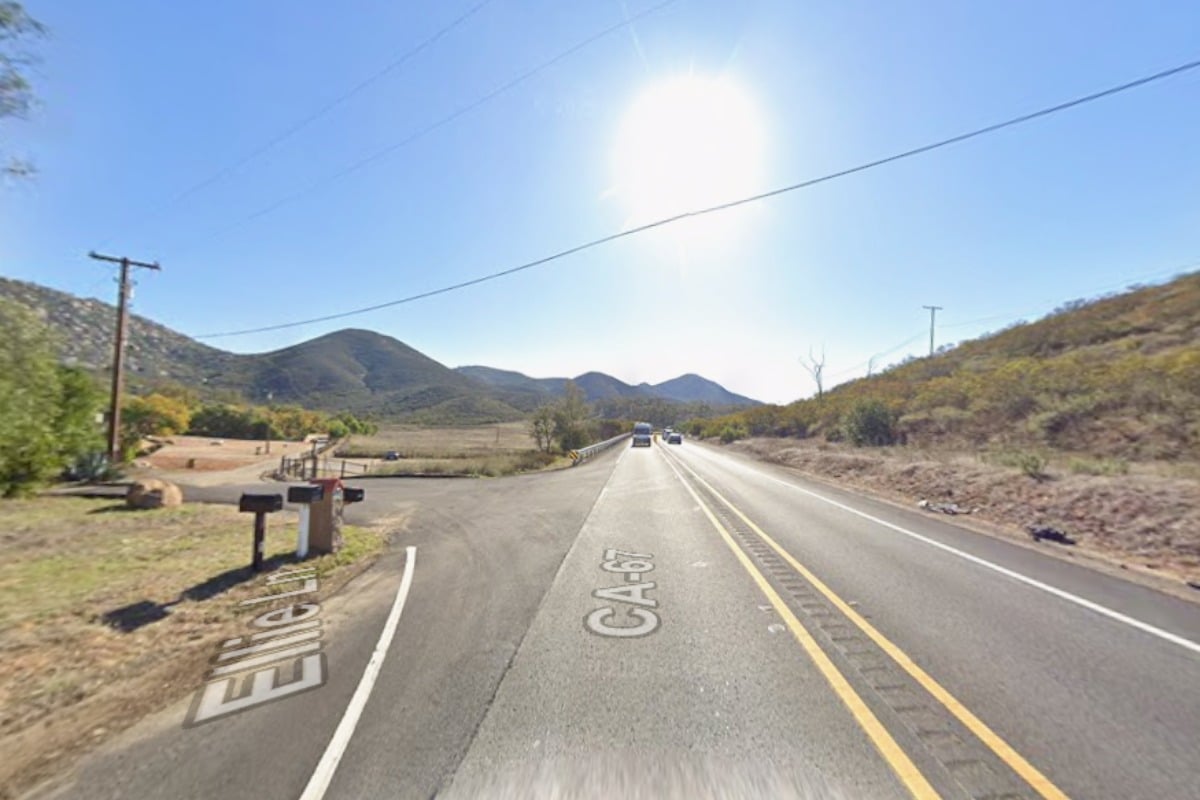
In a troubling trend, ICE officials resorted to extreme measures to meet the demands of Trump’s team. With professional video producers unavailable, public-affairs officers were sent into the field to capture footage themselves, sometimes at significant personal risk. One officer suffered a bloodied hand after being hit with a rock while filming outside a California marijuana farm, and another was dispatched to volatile scenes without proper protective gear.
The tone of messaging from ICE has stirred controversy, with posts that include graphic imagery and derogatory comments about demonstrators. One video displayed a bound protester being transported in a cart, set to a mocking song, while other posts referred to Illinois protesters as “imbecilic morons.”
Former DHS officials expressed concern that this brash style could taint jury pools or raise accusations of bias. Tricia McLaughlin, Assistant Secretary for Public Affairs, claimed that the White House had granted ICE autonomy to create content, asserting that legal reviews had cleared the posts.
The revelations come at a time when the divide between policy and politics within the DHS is increasingly pronounced. Critics argue that this approach undermines the integrity of immigration enforcement, while supporters claim it is necessary to combat illegal immigration effectively.
As the fallout from these leaked messages continues, the public is left to grapple with the implications of using government resources for propaganda purposes. The urgency surrounding these findings raises critical questions about the future of immigration policy and public perception in the United States.
Stay tuned for more updates as this story develops. The implications of these actions are significant, prompting further scrutiny of how government agencies interact with the media and the public.