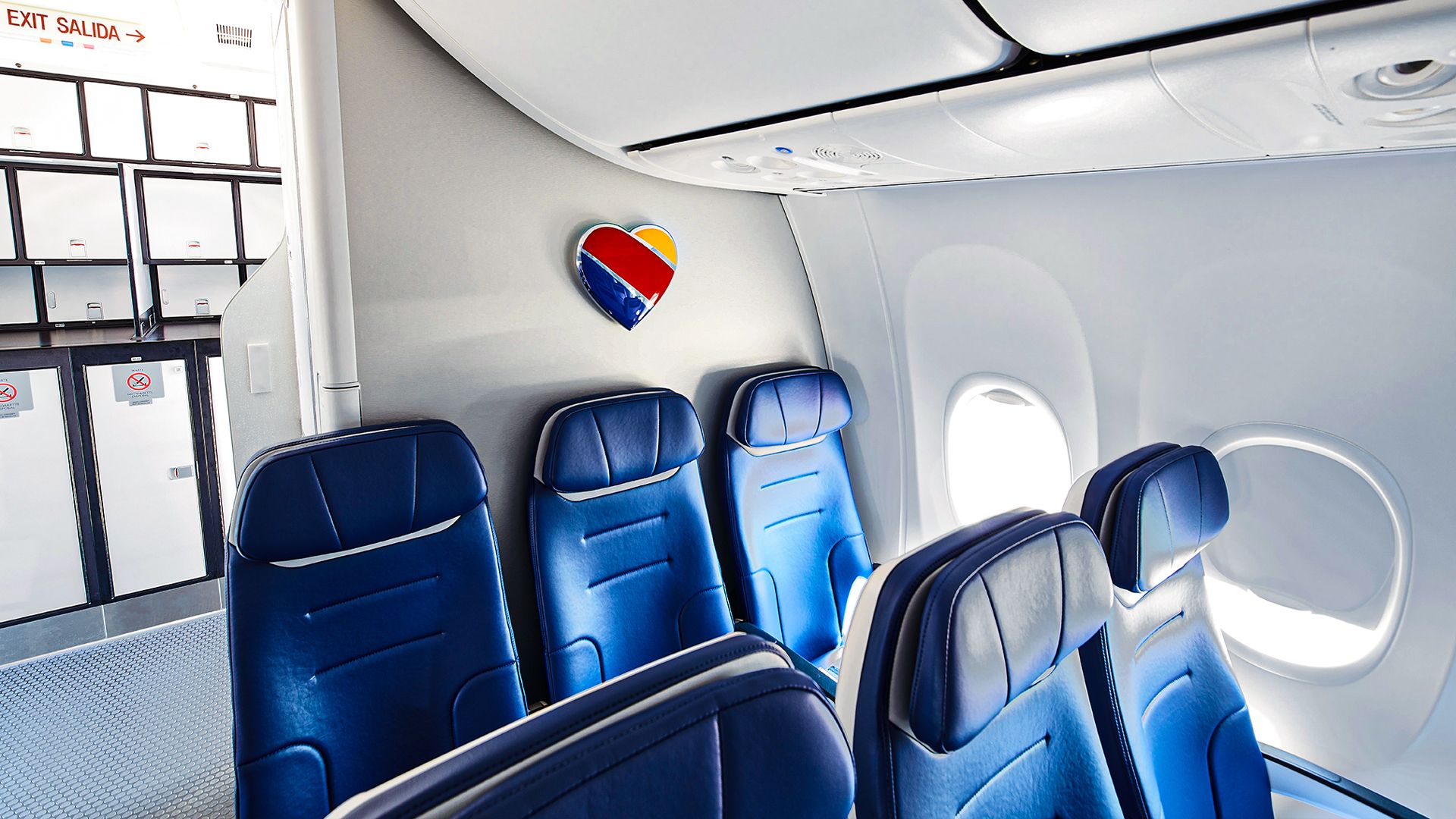
Southwest Airlines has officially transitioned from its long-standing open seating policy to assigned seating, marking a significant change in its operations. The final flight under the open seating model took place on January 26, 2026, departing from Honolulu Daniel K. Inouye International Airport and arriving at Los Angeles International Airport. This shift means that Southwest joins all other U.S. airlines in adopting assigned seating, a move driven by the need to enhance ancillary revenue and streamline operations.
The last flight, identified as WN1971, served as a symbolic farewell to open seating. Operated by a Boeing 737 MAX 8 adorned in the airline’s original “Desert Gold” livery, it represented the end of an era for a carrier known for its unique boarding process. Under the previous arrangement, passengers were assigned to one of three boarding groups (A, B, or C) based on their check-in time, allowing them to choose any available seat once onboard.
With the new system, Southwest Airlines now utilizes eight numbered boarding groups, eliminating the previous lettered classification. Passengers can choose their seats during booking, and those who do not make a selection will receive a seat assignment upon check-in. Notably, customers with basic economy tickets are unable to select their seats, which has sparked controversy among loyal travelers.
Many frequent flyers are expressing dissatisfaction with the new system, particularly A-List Preferred members who have reported being placed in later boarding groups, despite the company’s marketing of Group 2 as a benefit for them. Passengers have also encountered challenges with the boarding process, including reports of being denied the opportunity to switch seats even when the aircraft was not fully booked.
Despite the criticism, the decision to implement assigned seating aligns with industry standards. The open seating model has become increasingly outdated, offering minimal revenue potential and often leading to confusion for passengers. However, the backlash against Southwest’s change highlights the struggle of the airline to balance modernization with customer loyalty.
The controversy surrounding assigned seating is compounded by other recent changes aimed at increasing revenue. Southwest has also eliminated its long-standing policy of offering two free checked bags, a move that has further alienated its loyal customer base. The airline’s strategy appears to be influenced by Elliott Investment Management, which has advocated for adjustments to enhance profitability.
Historically, Southwest Airlines has prided itself on its unique attributes, including open seating and complimentary checked bags, which have fostered strong customer loyalty for over five decades. The shift to assigned seating reflects broader trends in the airline industry, where many carriers have embraced models that allow for additional fees and surcharges.
In terms of financial performance, Southwest has struggled to keep pace with larger legacy carriers that have diversified their services and revenue streams. In 2025, Southwest recorded a revenue of $28.1 billion with a net income of $441 million, translating to a net margin of 1.6%. In contrast, competitors like Delta Air Lines and United Airlines reported revenues of $63.4 billion and $59.07 billion respectively, with significantly higher profit margins.
As the airline industry continues to evolve, Southwest Airlines must navigate the fine line between attracting new customers and retaining its loyal base. While the move to assigned seating and other recent policy changes aim to bolster revenue, they also risk alienating the very customers who have supported the airline for years. The full impact of these changes will become clearer as passengers adjust to the new system and as the airline refines its operations to address initial concerns.
In conclusion, Southwest Airlines is not attempting to redefine airline seating arrangements but rather is adapting to prevailing industry practices. The ongoing backlash from its loyal customers presents a challenge, yet the airline’s focus on generating ancillary revenue is likely to persist as it seeks to enhance its financial standing in a competitive market.